
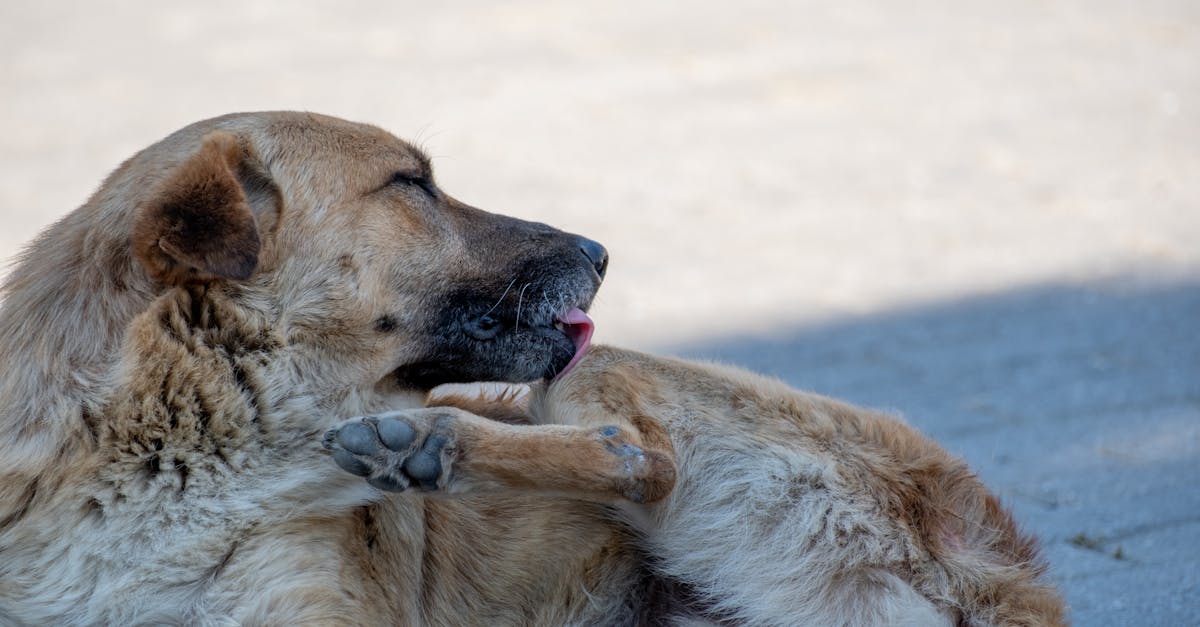
Atopic dermatitis (environmental allergy) is the most common allergic skin disease in dogs, affecting 10-15% of the canine population. It is a lifelong condition that cannot be cured — only managed. Dogs with atopy react to environmental allergens (pollen, dust mites, mold spores) that normal dogs tolerate without issue. Understanding the disease and available treatments helps owners provide comfort and quality of life for their allergic dogs.
What Causes Atopic Dermatitis
Atopy is a genetic predisposition to develop allergic reactions to common environmental substances. The immune system overreacts to harmless proteins (allergens), triggering inflammatory cascades that cause intense itching and skin damage. It is not caused by food in 85-90% of cases — though food allergies can coexist.
Common Allergens
- Dust mites (year-round)
- Tree pollens (spring)
- Grass pollens (summer)
- Weed pollens (fall)
- Mold spores (damp conditions)
- Storage mites (in dry food bags)
Symptoms
- Itching: The hallmark. Face rubbing, paw licking/chewing, armpit/groin scratching, ear scratching
- Recurrent ear infections: 80% of atopic dogs have concurrent otitis
- Red, inflamed skin: Especially between toes, armpits, groin, around eyes
- Chronic licking of paws: Saliva staining (brown discoloration of white fur)
- Recurrent skin infections: Secondary bacterial and yeast infections are common
- Seasonality: Symptoms often worse in spring/summer (pollen season) but can be year-round (dust mites)
Diagnosis
- Rule out parasites (fleas, mites) — skin scraping, flea prevention trial
- Rule out skin infections (cytology — looking for bacteria and yeast)
- Rule out food allergy (8-12 week elimination diet if needed)
- Clinical pattern recognition (age of onset, seasonal pattern, distribution)
- Intradermal allergy testing or serum allergy testing (for immunotherapy formulation)
Treatment Options
| Treatment | Type | Speed | Cost/Month | Best For |
|---|---|---|---|---|
| Apoquel (oclacitinib) | JAK inhibitor pill | Relief in 4-24 hours | $50-$100 | Daily management; fast relief |
| Cytopoint (lokivetmab) | Monoclonal antibody injection | Relief in 1-3 days | $50-$150/injection (lasts 4-8 weeks) | Dogs who can't take pills; owner convenience |
| Immunotherapy (ASIT) | Allergy shots/drops | 3-12 months to full effect | $30-$80 | Long-term management; addresses root cause |
| Steroids (prednisone) | Anti-inflammatory pill | Hours | $5-$15 | Short-term flare management (not long-term) |
| Atopica (cyclosporine) | Immunosuppressant | 4-6 weeks | $50-$200 | Alternative when Apoquel/Cytopoint aren't effective |
Multimodal Management
Best results come from combining approaches:
- Medication (Apoquel or Cytopoint) for itch control
- Immunotherapy for long-term immune modulation (60-75% of dogs improve)
- Skin barrier support: Omega-3 fatty acids, therapeutic bathing with ceramide-based shampoos
- Infection control: Prompt treatment of secondary bacterial/yeast infections
- Environmental management: Air purifiers, frequent bedding washing, wiping paws after walks
Frequently Asked Questions
Is Apoquel safe long-term?
Current evidence supports long-term safety. Apoquel has been used since 2014 with a good safety profile. Potential concerns include slightly increased infection susceptibility and rare reports of new growths. Regular veterinary monitoring (6-12 month exams with bloodwork) is recommended.
Will my dog's allergies ever go away?
No. Atopic dermatitis is a lifelong genetic condition. It can be managed effectively — many dogs live comfortably with appropriate treatment — but it does not resolve spontaneously. Management is ongoing.