
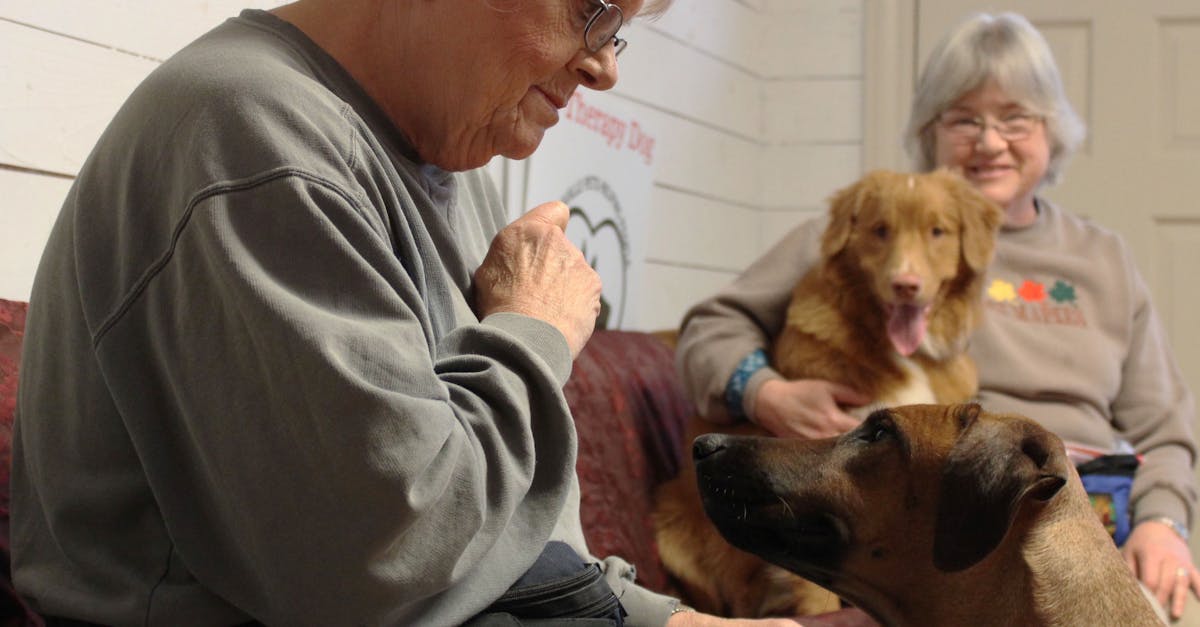
Dogs are considered senior at approximately 7 years for large breeds and 10 years for small breeds — though individual variation is significant. The senior years bring gradual changes that owners often attribute to "normal aging" when they actually represent treatable medical conditions. The difference between a comfortable senior dog and one that is silently suffering often comes down to proactive veterinary care and environmental adaptations.
When Is a Dog "Senior"?
| Size | Senior At | Geriatric At | Average Lifespan |
|---|---|---|---|
| Small (<20 lbs) | 10-12 years | 14+ years | 12-16 years |
| Medium (20-50 lbs) | 8-10 years | 12+ years | 10-14 years |
| Large (50-90 lbs) | 7-8 years | 10+ years | 8-12 years |
| Giant (>90 lbs) | 5-6 years | 8+ years | 6-10 years |
Common Age-Related Conditions
- Arthritis/Osteoarthritis: 80% of dogs over 8 have some degree. Causes stiffness, reluctance to jump/climb, "slowing down"
- Dental disease: Worsens with age. Chronic pain source.
- Kidney disease: Progressive. Early detection with SDMA allows intervention.
- Heart disease: Mitral valve disease in small breeds, DCM in large breeds.
- Cognitive dysfunction: Confusion, nighttime restlessness, house soiling, behavior changes.
- Cancer: Risk increases dramatically with age. 50% of dogs over 10 diagnosed.
- Vision/hearing loss: Cataracts, nuclear sclerosis, presbycusis (age-related hearing loss).
- Hypothyroidism: Slows metabolism — mistaken for "getting old."
Senior Wellness Screening
Twice-annual veterinary exams (every 6 months) with screening blood work are recommended for senior dogs:
- Complete blood count (CBC)
- Chemistry panel (kidney, liver function)
- Thyroid function (total T4)
- Urinalysis
- Blood pressure
- Body condition and pain assessment
- Dental evaluation
Home Comfort Modifications
- Orthopedic bed: Memory foam supports arthritic joints
- Non-slip surfaces: Rugs/mats on hardwood/tile (prevents falls and fall anxiety)
- Ramps: For cars, beds, couches (eliminates jumping)
- Raised food/water bowls: Reduces neck strain
- Night lights: Helps dogs with vision loss navigate
- Heated bed/pad: Warmth soothes stiff joints (especially in winter)
- Baby gates: Block stairs if mobility is declining
- Easy outdoor access: Dog door or frequent bathroom breaks (bladder capacity may decrease)
Exercise for Senior Dogs
- "Little and often" — multiple short walks better than one long walk
- Low-impact: swimming, gentle walks on soft surfaces
- Avoid: running on hard surfaces, jumping, rough play with younger dogs
- Consistency: same moderate activity daily (not weekend warrior pattern)
- Watch for fatigue signals: lagging, panting, stopping, reluctance to continue
Nutrition
- Senior-formulated food (adjusted calories, added joint support, antioxidants)
- Maintain LEAN body condition — extra weight accelerates every age-related disease
- Fish oil supplementation (joint + cognitive support)
- Monitor appetite — decreased appetite in seniors warrants vet evaluation
Frequently Asked Questions
Is my dog slowing down because of age, or is something wrong?
ALWAYS assume something treatable until proven otherwise. "Slowing down" in senior dogs usually = pain (arthritis), metabolic disease (hypothyroid), or organ dysfunction (kidney, heart). A comprehensive senior screening can identify treatable causes and return your dog to a more active, comfortable state.