
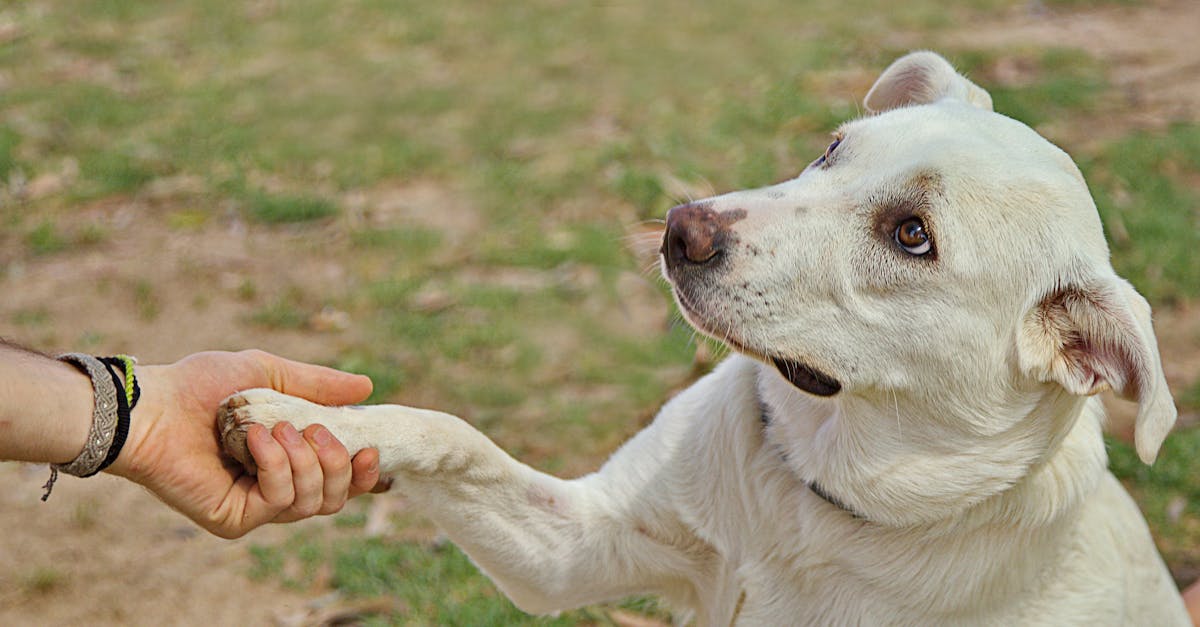
Dog paws are remarkably tough — yet they're exposed to every surface your dog walks on: hot pavement, ice, salt, sharp objects, chemicals, and allergens. Paw problems are common, ranging from minor irritations to conditions requiring veterinary intervention. Chronic paw licking — the most common paw complaint — is usually NOT a paw problem at all, but an allergy manifesting at the feet.
Paw Licking: Usually Allergies
The #1 reason dogs lick their paws excessively is atopic dermatitis (environmental allergies). Allergens (pollen, dust mites) contact paw skin during walks, triggering itching and inflammation. Signs:
- Licking/chewing all four paws (bilateral = allergies)
- Brown/rust saliva staining on white paws
- Red, inflamed skin between toes
- Seasonal worsening (pollen seasons)
- Other itchy areas too (ears, face, armpits, groin)
Treatment: Address the underlying allergy (Apoquel, Cytopoint, immunotherapy). Treating individual paws without addressing systemic allergy is futile.
Common Paw Problems
| Problem | Signs | Cause | Treatment |
|---|---|---|---|
| Cracked/dry pads | Rough, peeling, fissured pad surface | Dry air, hot pavement, chemical exposure, zinc deficiency | Paw balm (Musher's Secret), vitamin E, avoid causative surface |
| Pad burns | Blistered, raw, peeling pads; limping | Hot pavement (above 120°F surface temp on sunny days >77°F) | Cool water soak, antibiotic ointment, bandaging, rest |
| Foreign body (interdigital) | Sudden licking ONE paw, visible swelling between toes | Grass awns (foxtails), thorns, glass, splinters | Removal (may need sedation), antibiotics if infected |
| Interdigital cysts/furuncles | Swollen, red, painful nodules between toes; may rupture and drain | Foreign body reaction, deep follicular infection, conformational (Bulldogs, Labs) | Soaking, antibiotics, surgery for chronic cases |
| Broken/torn nail | Bleeding, limping, licking at affected nail | Catching on surface, overgrown nails, trauma | Remove loose nail fragment, styptic powder, bandage, antibiotics if exposed quick |
| Nail bed infection (paronychia) | Swollen, painful nail base; may have discharge | Trauma, bacterial/fungal infection, immune-mediated disease | Culture, targeted antibiotics/antifungals, rule out autoimmune disease if multiple nails |
Seasonal Paw Protection
Summer
- The 5-second rule: Place your hand on pavement for 5 seconds. If it's too hot for your hand, it's too hot for paws.
- Walk early morning or late evening
- Stay on grass when possible
- Paw wax (Musher's Secret) provides barrier protection
- Dog boots for extreme conditions
Winter
- Road salt and ice-melt chemicals cause chemical burns and drying
- Wipe paws with warm damp cloth after every winter walk
- Paw wax before walks (barrier against salt)
- Trim fur between toes (prevents ice ball formation)
- Dog boots for extended cold-weather activities
When to See a Vet
- Bleeding that won't stop with pressure
- Visible foreign body you can't safely remove
- Swelling that doesn't resolve in 24-48 hours
- Limping on one paw for more than 2-3 days
- Chronic paw licking (allergy workup needed)
- Multiple nail problems (possible autoimmune disease)
Frequently Asked Questions
Should I moisturize my dog's paw pads?
Yes — if they're dry and cracked. Use paw-specific balms (Musher's Secret, Paw Soother) or plain coconut oil. Do NOT use human hand lotion — it softens pads too much and can make them more vulnerable to injury. Dog paw balms maintain toughness while preventing drying.