
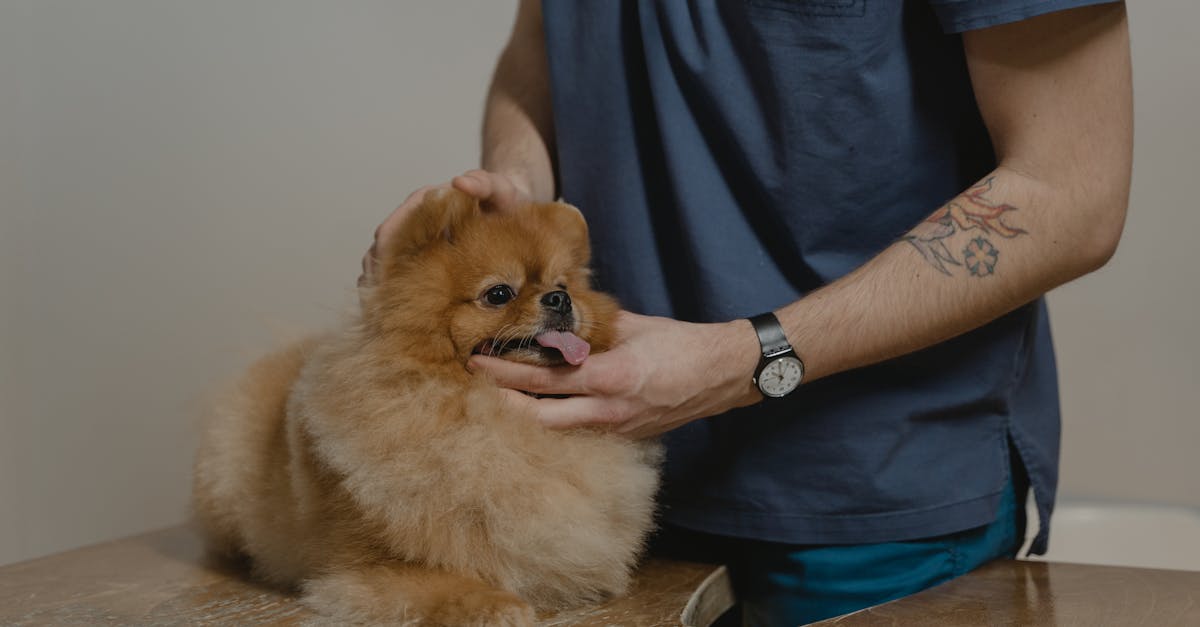
Skin infections are among the most common reasons dogs visit veterinarians. They are almost always secondary — meaning something else (allergies, hormonal disease, immune suppression) weakened the skin's defenses and allowed bacteria or yeast to overgrow. Treating the infection without addressing the underlying cause guarantees recurrence.
- Bacterial Skin Infections (Pyoderma)
- The Pathogen
- Classification
- Yeast Infections (Malassezia Dermatitis)
- The Pathogen
- Characteristics
- Diagnosis
- Treatment
- Topical Therapy (Essential for ALL Skin Infections)
- Systemic Antibiotics (When Topical Alone Is Insufficient)
- Systemic Antifungals (Severe Yeast)
- Preventing Recurrence
- Frequently Asked Questions
- Is my dog's skin infection contagious to me?
Bacterial Skin Infections (Pyoderma)
The Pathogen
Staphylococcus pseudintermedius is the primary bacterial pathogen in canine skin infections. It's a normal skin resident that becomes pathogenic when skin defenses are compromised. It is NOT the same as human MRSA (though methicillin-resistant S. pseudintermedius — MRSP — is an emerging concern).
Classification
| Type | Depth | Appearance | Treatment |
|---|---|---|---|
| Surface pyoderma | Outermost skin layer | Hot spots, skin fold dermatitis, intertrigo | Topical therapy (chlorhexidine shampoo, mupirocin) |
| Superficial pyoderma | Epidermis/hair follicle | Pustules, collarettes (ring-shaped peeling), papules, hair loss | Topical +/- systemic antibiotics (3-4 weeks) |
| Deep pyoderma | Dermis/subcutis | Draining tracts, nodules, hemorrhagic bullae, cellulitis, pain | Systemic antibiotics (6-8+ weeks), culture required |
Yeast Infections (Malassezia Dermatitis)
The Pathogen
Malassezia pachydermatis — a normal skin and ear yeast that overgrows when conditions favor it (warmth, moisture, altered skin pH, immune suppression, allergic inflammation).
Characteristics
- Smell: Distinctive musty/corn chip/bread-like odor. "My dog smells bad" is often yeast.
- Location: Ears, between toes, groin, armpits, lip folds, ventral neck — warm, moist areas
- Appearance: Greasy/waxy skin, thickened/elephant-like skin (lichenification), redness, dark discoloration (hyperpigmentation)
- Itch: Intensely pruritic (itchy)
Diagnosis
- Cytology (impression smear/tape prep): The most important diagnostic tool. Press a microscope slide or clear tape against the skin → stain → examine under microscope. Identifies bacteria (cocci, rods) and yeast (peanut-shaped organisms). Takes 5 minutes, costs minimal, provides immediate answer.
- Culture and sensitivity: Required for deep pyoderma, recurrent infections, or suspected antibiotic resistance. Identifies the exact organism and which antibiotics will work.
Treatment
Topical Therapy (Essential for ALL Skin Infections)
- Chlorhexidine 2-4% shampoo: Antibacterial AND antifungal. Bathe 2-3x weekly, leave on 10 minutes before rinsing.
- Miconazole/chlorhexidine combination shampoo: Targets both bacteria and yeast simultaneously.
- Mousse/spray formulations: For localized areas or dogs that don't tolerate bathing.
Systemic Antibiotics (When Topical Alone Is Insufficient)
- Superficial: 3-4 weeks minimum (continue 1 week past clinical resolution)
- Deep: 6-8 weeks minimum (continue 2 weeks past resolution)
- Common choices: cephalexin, clavamox, clindamycin
- NEVER use fluoroquinolones (enrofloxacin) as first-line — reserve for culture-confirmed resistant infections
Systemic Antifungals (Severe Yeast)
- Ketoconazole or itraconazole for 4-6 weeks when topical therapy alone is insufficient
Preventing Recurrence
The single most important step: identify and treat the underlying cause.
- 85% of recurrent skin infections have underlying atopic dermatitis
- Other causes: hypothyroidism, Cushing's, food allergy, immune deficiency
- Without addressing the primary cause, you will be treating infections indefinitely
Frequently Asked Questions
Is my dog's skin infection contagious to me?
Staphylococcus pseudintermedius is species-adapted — it rarely causes disease in healthy humans. However, immunocompromised individuals should practice good hygiene. MRSP (resistant strains) are a slightly higher concern but still low risk to healthy people. Malassezia (yeast) is not considered contagious to humans.