
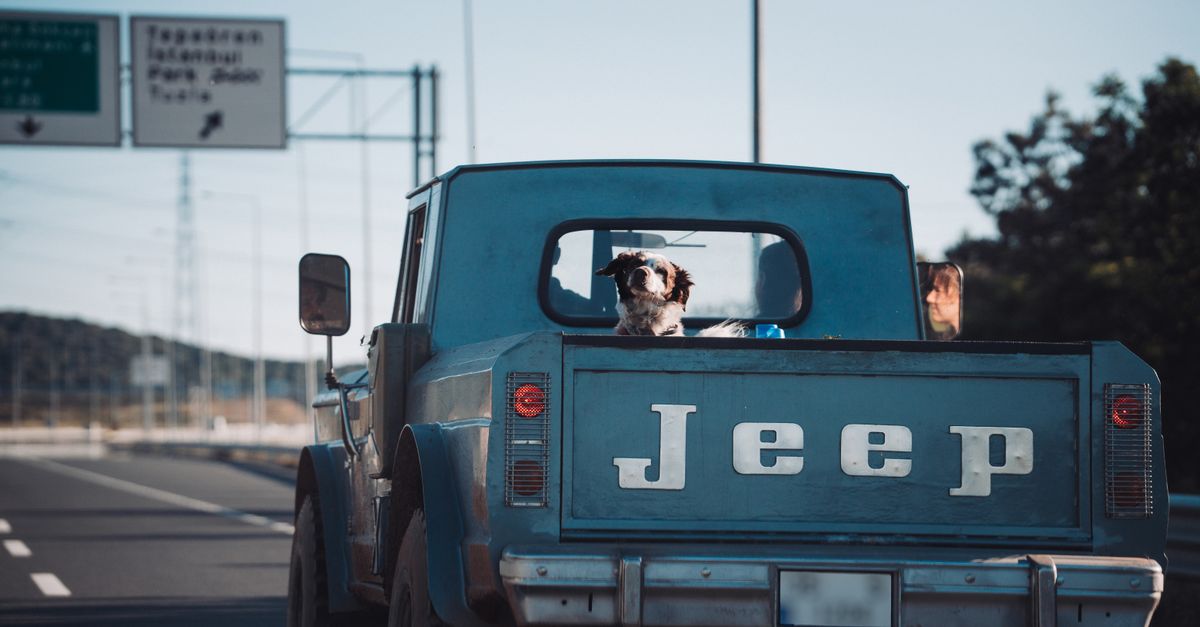
Travel is increasingly part of dog ownership — whether road trips, airline flights, hotel stays, or visits to friends and family. Some dogs are natural travelers; others panic in moving vehicles or become anxious in unfamiliar environments. Travel training prepares your dog for the physical and emotional challenges of being away from home.
Car Training
For Dogs That Love Cars
- Secure with crash-tested crate, car harness/seatbelt, or barrier
- Never in front seat (airbag danger)
- Never with head out window (eye/ear injuries from debris)
- Temperature management (never in parked car — even with windows cracked)
For Dogs with Car Anxiety
Desensitization protocol (DO NOT just force the dog into the car and drive):
- Phase 1: Approach car → treats. Open door → treats. Sit beside car → treats. (Multiple sessions)
- Phase 2: Toss treats into car (engine off, doors open). Dog enters voluntarily → reward → can exit freely.
- Phase 3: Dog in car → close door → 5 seconds → open → treat. Build duration.
- Phase 4: Start engine (don't move) → treat. Turn off. Repeat.
- Phase 5: Move 10 feet → stop → treat. Gradually increase distance.
- Phase 6: Short drives to fun places (not always the vet).
For Motion Sickness
- Maropitant (Cerenia): Prescription anti-nausea. Give 2 hours before travel.
- Restrict food 3-4 hours before travel
- Fresh air circulation
- Forward-facing position (reduces visual conflict)
- Most puppies outgrow motion sickness by 12-16 months
Airline Travel
| Option | Requirements | Best For |
|---|---|---|
| In-cabin | Dog + carrier must fit under seat (typically <20 lbs) | Small dogs; reduces stress vs. cargo |
| Cargo hold | Airline-approved crate; health certificate; breed restrictions (brachycephalic banned) | Large dogs when necessary; higher risk |
| Pet-specific airlines | Bark Air, Pet Airways (limited availability) | Dogs of any size; premium service |
Preparation for Flying
- Crate training essential WELL before flight (weeks minimum)
- Practice time in travel carrier at home (hours)
- Veterinary health certificate (within 10 days of travel for most airlines)
- ID tag + microchip (in case of accidental separation)
- Familiar blanket/item with home scent in crate
- Exercise heavily before flight (tired dog = calmer dog)
- Discuss anti-anxiety medication with vet for highly anxious travelers
Hotel/Accommodation Training
- "Place" training: Dog settles on a portable mat/bed. Familiar bed = security in unfamiliar room.
- Crate comfort: Dog relaxes in crate in new environments (essential for leaving dog in room during dinner)
- Quiet on command: No barking at hallway noises (desensitize to novel sounds beforehand)
- House training reliability: Different surfaces, different doors — maintain outdoor elimination in new locations
Road Trip Essentials
- Stop every 2-3 hours for bathroom/exercise breaks
- Bring water from home (prevents GI upset from unfamiliar water)
- Familiar food (don't change diet during travel)
- First aid kit
- Vaccination records and vet contact info
- Portable crate or exercise pen for accommodation
Frequently Asked Questions
Should I sedate my dog for flying?
Most veterinarians and airlines recommend AGAINST full sedation for flying. Sedated dogs can't adjust their body temperature effectively, may have respiratory depression at altitude, and can't brace during turbulence. Mild anxiolytics (trazodone, gabapentin) at non-sedating doses are generally safer than full sedation. Discuss with your vet — every dog's situation is different.