
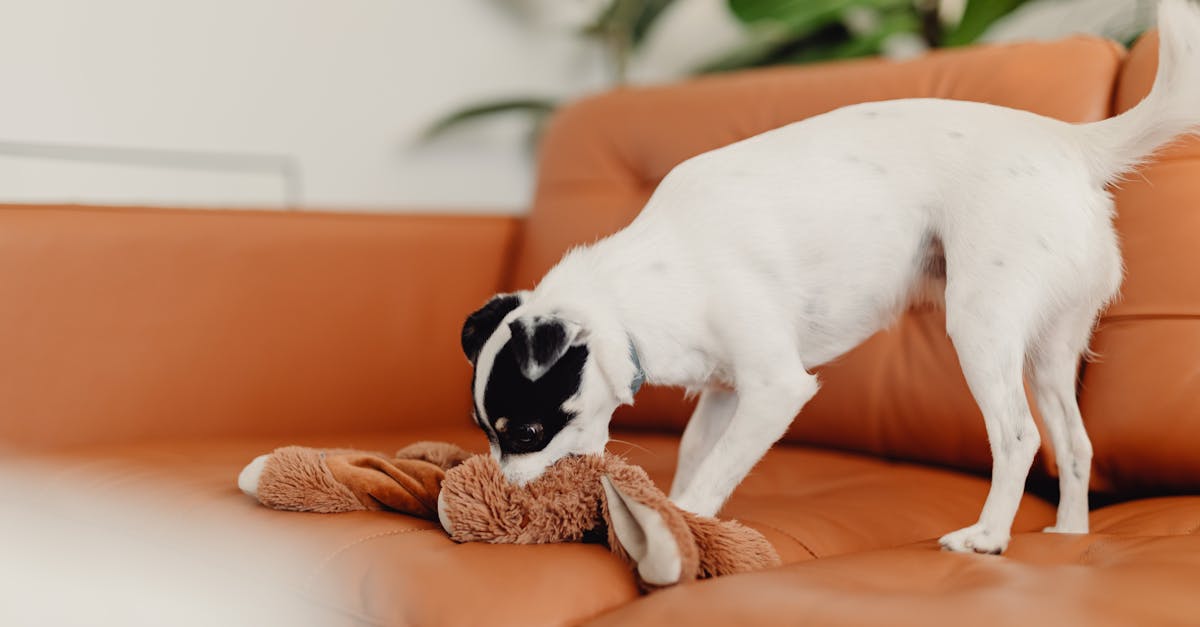
All puppies bite. All of them. It is the most universal and most complained-about puppy behavior — and it is completely normal. Puppies explore the world with their mouths, play with their mouths, and communicate with their mouths. Your job is not to eliminate mouthing entirely (an impossible and unnatural goal for a 10-week-old) but to teach BITE INHIBITION: how to control jaw pressure so that adult mouthing — if it ever occurs — doesn't cause injury.
- Why Puppies Bite
- Teaching Bite Inhibition
- Phase 1: Reduce Bite Pressure (First Priority)
- Phase 2: Reduce Bite Frequency
- Redirection Strategy
- Management for Extreme Bitey Phases
- When to Be Concerned
- Frequently Asked Questions
- Should I hold my puppy's mouth shut when it bites?
- When will the biting stop?
Why Puppies Bite
- Exploration: Mouths are hands. Puppies "feel" everything by mouthing it.
- Play: Play fighting is how puppies develop social skills and bite inhibition with littermates.
- Teething: 3-6 months. Gums are sore, chewing provides relief. Increased mouthing intensity during this period.
- Overtiredness: Like toddlers, overtired puppies get mouthy and "bitey." This often signals they need a nap.
- Frustration: Can't get what they want → redirect energy into biting.
Teaching Bite Inhibition
Ian Dunbar's protocol — the gold standard:
Phase 1: Reduce Bite Pressure (First Priority)
- Allow soft mouthing initially (this is controversial but has scientific backing)
- When the puppy bites HARD → yelp ("Ow!") + withdraw all attention for 10-30 seconds (turn away, hands tucked, ignore)
- Resume interaction. Hard bite → repeat "Ow!" + withdrawal
- Puppy learns: hard bites end the fun. Soft mouthing is acceptable (for now).
- Over 2-3 weeks, gradually reduce the pressure threshold that triggers your "Ow!" — making the acceptable pressure lighter and lighter
Phase 2: Reduce Bite Frequency
Once the puppy is only using gentle mouth pressure:
- Now any teeth on skin → "Ow!" + withdrawal
- Redirect to appropriate chew toys immediately upon reengagement
- Puppy learns: teeth on humans end all fun. Teeth on toys are acceptable.
Redirection Strategy
- Always have appropriate chew toys accessible
- When puppy targets your hand → immediately offer a toy instead
- Praise and engage play when puppy bites the toy (not your hand)
- Good options: rope toys, rubber Kongs, bully sticks, frozen washcloths (teething relief)
Management for Extreme Bitey Phases
- Reverse timeouts: YOU leave the room for 30 seconds (puppy stays). More effective than trying to put an alligator-puppy in a crate.
- Enforced naps: Much puppy biting is overtiredness. Puppies need 16-18 hours of sleep daily. If biting intensifies in the evening, enforce a crate nap.
- Long sleeves and pants: Protect yourself during peak biting phases. Not a training solution but saves your sanity.
- Rotate visitors: No one person should absorb all the puppy biting. Spread the love.
When to Be Concerned
Normal puppy biting vs. concerning behavior:
| Normal | Concerning (Consult Professional) |
|---|---|
| Mouths during play, can be redirected | Stiffens and bites during resource guarding or when restrained |
| Responds to "Ow!" and stops (even briefly) | Escalates when you yelp or withdraw (gets MORE intense) |
| Play biting with loose, wiggly body | Stiff body, hard stare, growling with biting |
| Decreases as puppy ages (14+ weeks) | Intensifies beyond 5-6 months |
Frequently Asked Questions
Should I hold my puppy's mouth shut when it bites?
No. This teaches the puppy that hands near mouths are threatening/uncomfortable — making future tasks (tooth brushing, medication, vet exams) more difficult. It may also trigger defensive biting. Withdrawal of attention (negative punishment) is more effective and carries no fallout.
When will the biting stop?
Most puppies show significant improvement by 4-5 months as adult teeth come in (less teething pain) and bite inhibition develops. Full resolution typically by 6-8 months. Adolescent dogs (6-18 months) may have brief resurgences during play arousal. Consistent response throughout this period produces a soft-mouthed adult dog.