
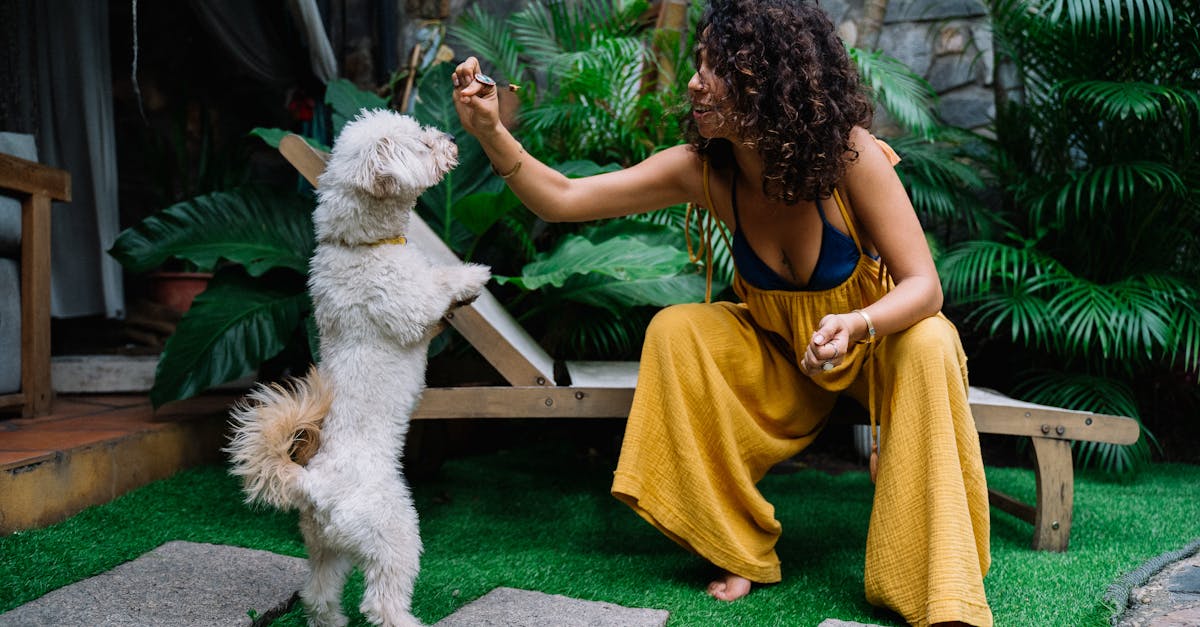
Trick training is often dismissed as frivolous — but it's one of the most valuable training activities you can do with your dog. Every trick teaches the dog to learn, builds the communication system between you, develops body awareness, increases confidence (especially in shy dogs), strengthens your bond, and provides mental stimulation equivalent to a long walk.
Table of Contents
Why Tricks Matter
- Builds learning-to-learn: Dogs who know many tricks learn NEW behaviors faster (learning becomes a skill itself)
- Low-pressure training: There's no urgency or safety concern — both you and the dog can relax and have fun
- Confidence building: Each successful trick increases the dog's confidence in trying new things (reduced learned helplessness)
- Mental exercise: 10 minutes of trick training can tire a dog as much as a 30-minute walk
- Relationship building: Cooperative, fun, positive interaction strengthens the human-dog bond
Beginner Tricks
Shake/Paw
- Dog in sit position. Hold treat in closed fist at chest level.
- Dog will eventually paw at your hand (natural behavior to get treats from closed fist)
- The moment paw lifts and touches your hand → mark → treat
- Shape: lift higher, touch palm specifically, hold for duration
- Add cue "Shake!" or "Paw!" once behavior is reliable
Spin
- Hold treat at dog's nose level
- Lure in a tight circle (nose follows treat in 360° rotation)
- Complete circle → mark → treat
- Fade lure to hand motion only → add verbal "Spin!"
- Teach both directions: "Spin!" (clockwise) and "Twist!" (counter-clockwise)
Roll Over
- Start in down position
- Lure treat from nose toward shoulder → dog shifts to hip
- Continue lure over the dog's body → dog rolls onto back
- Complete lure motion → dog rolls fully over → mark → treat
- Break into stages if needed: hip shift → on side → on back → full roll
Intermediate Tricks
Play Dead (Bang!)
- From down → lure onto side (like first part of roll over) → mark when flat on side
- Build duration: dog holds "dead" position for 3, 5, 10 seconds
- Add dramatic cue: point finger like a gun → "Bang!" → dog falls to side
Weave Through Legs
- Stand with legs apart. Lure dog through one leg with treat.
- Dog passes through → mark → treat on the other side
- Take a step (opening the next leg gap) → lure through again
- Build into a flowing weave pattern as you walk
Ring a Bell (for Potty Training!)
- Hang a bell at nose height by the door
- Mark and treat any nose interaction with the bell
- Shape: nudge → ring → ring deliberately
- Pair with going outside: bell rings → door opens → outside
- Functional trick: dog rings bell when it needs to go out
Advanced Tricks
- Put toys away: Combines "take it" (pick up toy) → "drop it" (over toy box) → mark when toy lands in box
- Close the door: Target (nose touch) applied to door → push door closed
- Bring leash: Retrieve training applied to the leash → bring to handler
- Leg weaves in heel position
- Backup: Walk backward on cue
Training Tips
- Sessions of 5-10 minutes maximum (quit while enthusiasm is high)
- End on a success (even if you need to ask for an easy behavior to end well)
- One new trick at a time until reliable, then add another
- High rate of reinforcement during learning (every correct attempt rewarded)
- Use shaping for complex behaviors (reward successive approximations)
Frequently Asked Questions
My dog doesn't seem motivated by tricks. What am I doing wrong?
Usually: reward value is too low (try real meat instead of kibble), sessions are too long (dog gets mentally exhausted after 3-5 minutes), or criteria is too high (expecting too much improvement per session). Make it easier, use better rewards, keep sessions short, and celebrate small wins.