
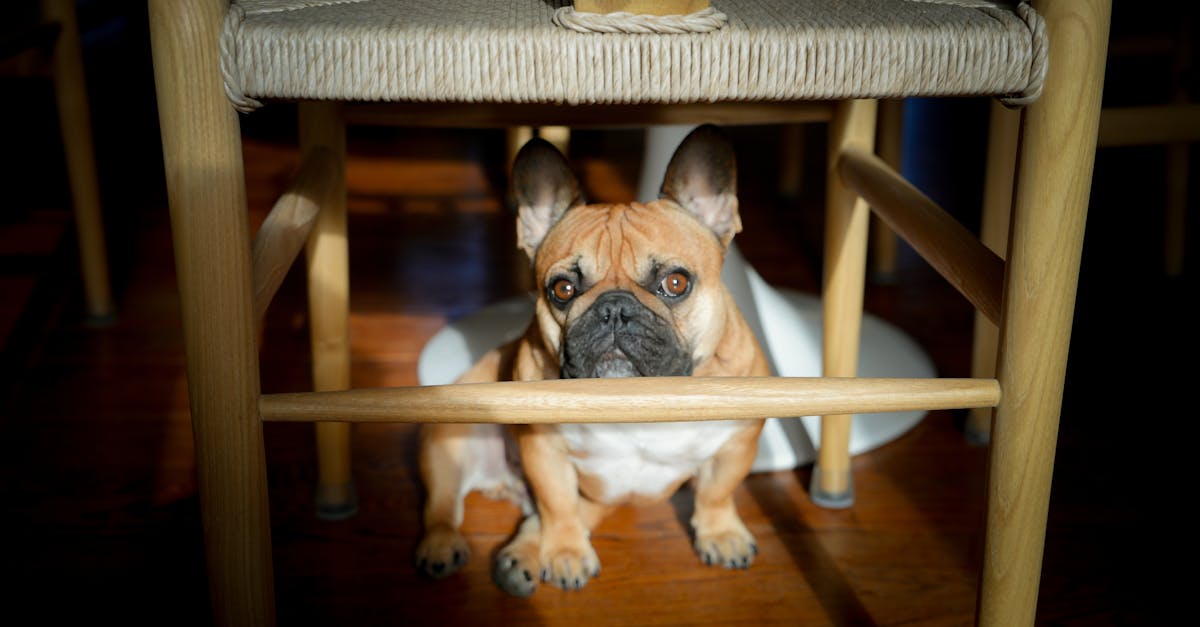
Noise phobia affects an estimated 40-50% of dogs — making it one of the most common behavioral conditions in companion animals. It is progressive: without intervention, noise sensitivity worsens with age and generalizes to more sounds. A dog mildly anxious about fireworks at age 2 may become severely phobic of all loud sounds by age 6. Early intervention prevents escalation.
Table of Contents
Common Noise Triggers
- Thunderstorms (often includes barometric pressure, static electricity, wind — not just sound)
- Fireworks
- Gunshots
- Construction noise
- Smoke alarms/beeping
- Vacuum cleaners
- Trucks/motorcycles
Signs of Noise Phobia
- Mild: Panting, pacing, ears back, seeking owner proximity
- Moderate: Trembling, hiding, drooling, refusing food, clinging to owner, whining
- Severe: Destructive escape attempts (clawing through doors/walls), self-injury, loss of bladder/bowel control, complete panic/running blindly
Immediate Management (During Event)
- Safe space: Interior room, closet, or crate (if crate-trained) away from windows. Let the dog choose where it feels safest.
- White noise/music: Through a Dog's Ear (clinically tested calming music), heavy metal or classical at moderate volume to mask outdoor sounds
- ThunderShirt/compression garment: Gentle, constant pressure. Studies show 60% of dogs show some anxiety reduction.
- Stay calm: Your calm presence helps. Comfort the dog if it seeks you (comforting does NOT reinforce fear).
- Close windows and blinds: Reduces sound and eliminates visual lightning
- Do NOT force outside during storms/fireworks (escape risk is highest during panic)
Medications for Acute Events
| Medication | Type | Timing | Notes |
|---|---|---|---|
| Sileo (dexmedetomidine) | Alpha-2 agonist gel (applied to gums) | 30-60 min before event | FDA-approved for noise aversion. Does not sedate — reduces fear while dog remains aware. |
| Trazodone | Serotonin modulator | 1-2 hours before | Mild sedation + anxiolysis. Very commonly prescribed. |
| Gabapentin | GABA analog | 1-2 hours before | Reduces anxiety + mild sedation. Good adjunct. |
| Alprazolam (Xanax) | Benzodiazepine | 1 hour before | Fast-acting but causes sedation and possible paradoxical excitement in some dogs. |
Do NOT use acepromazine. This drug sedates the body while leaving the brain fully capable of experiencing fear — creating a dog that is terrified but physically unable to respond. It is no longer recommended for noise phobia.
Long-Term Desensitization
- Sound recordings (YouTube thunder recordings, firework sounds, apps like "Sound Proof Puppy")
- Start at BARELY audible volume + deliver high-value treats
- Increase volume by 5-10% per session (only when dog remains relaxed at current level)
- Sessions: 5-10 minutes, 2-3 times daily
- Timeline: weeks to months for meaningful real-world improvement
- Combine with daily anti-anxiety medication for severe cases (fluoxetine)
Frequently Asked Questions
My dog's noise phobia is getting worse each year. Is that normal?
Unfortunately yes — this is the natural trajectory without intervention. Noise phobia is progressive and self-reinforcing (each fearful experience deepens the neural fear pathway). This is why early intervention matters: treating mild anxiety at age 2 is much easier than treating severe phobia at age 8. Start treatment now regardless of current severity.