
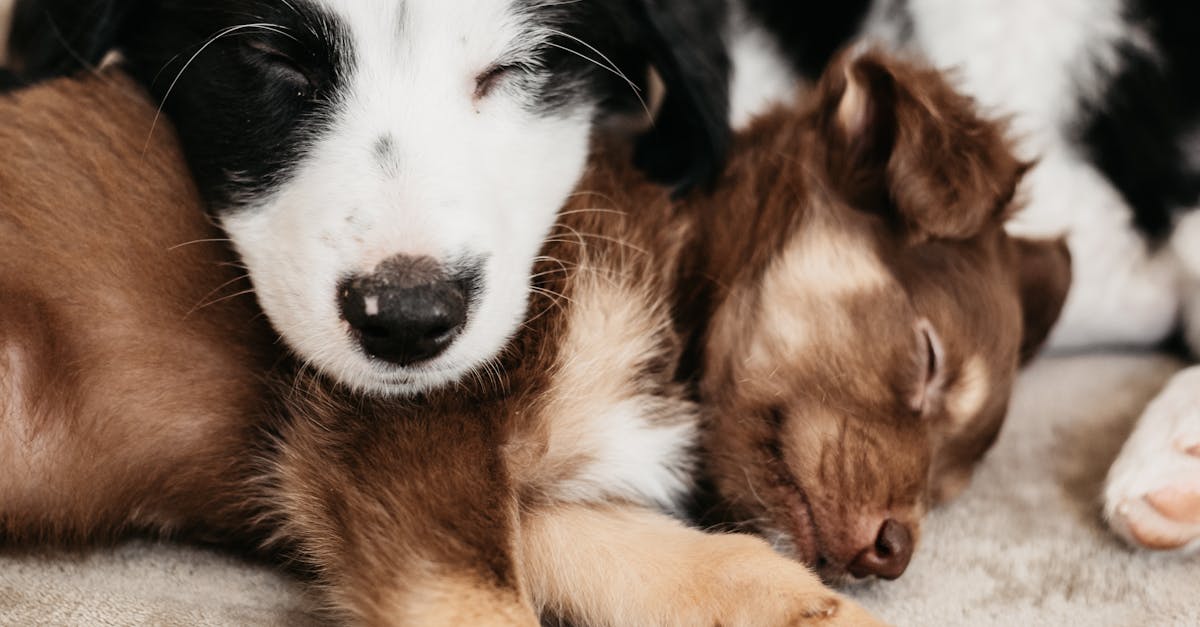
Multi-dog households can be joyful — dogs providing each other companionship, play, and social enrichment. They can also be stressful — resource conflicts, incompatible play styles, territorial disputes, and redirected aggression. The difference between harmony and chaos lies in management, structure, and the owner's ability to read subtle tension signals before they escalate into conflict.
Common Sources of Conflict
| Resource | Conflict Example | Prevention |
|---|---|---|
| Food | Guarding bowl, stealing other dog's food, tension near feeding area | Feed separately (different rooms/crates); pick up bowls when done |
| High-value chews | Bones, bully sticks, stuffed Kongs trigger guarding | Give in separate areas only; remove when dogs come back together |
| Resting spaces | Both want the same bed, couch spot, or position near owner | Multiple beds/options; teach "place" to designated spots |
| Human attention | Jealousy-type behavior when one dog is petted; body blocking | Individual attention time; reward calm behavior during other's attention |
| Doorways/tight spaces | Tension in narrow passages, at doors, on stairs | Teach "wait" at doorways; manage traffic flow |
| Toys | Stealing toys, guarding specific toys | Supervised toy play; multiple copies; remove if guarding |
Establishing Structure
- Individual training: Each dog should have one-on-one training time (builds individual relationship with owner, prevents one dog from always deferring)
- Individual exercise: At least some walks separately (each dog gets full attention + prevents barrier frustration if one is reactive)
- Feeding routine: Same time, same places, same order. Predictability reduces anxiety.
- Separate decompression time: Not all dogs want to be together 24/7. Provide crate/room time where each dog can relax without social pressure.
Reading Inter-Dog Tension
Conflicts don't appear from nowhere — they build through subtle signals:
- Freeze + hard stare between dogs (even momentary — intervene immediately)
- Body blocking: One dog physically inserting itself between the other dog and a resource
- Lip lifts, whale eye, growling during proximity to resources
- One dog always avoiding the other (choosing different rooms, not approaching food/water when other dog is near)
- Play escalating: One dog getting increasingly rough while the other tries to stop (but is ignored)
Intervention Strategies
- Interrupt early: Call away/redirect at the FIRST tension signal (freeze, hard stare) — don't wait for growling or fighting
- Management: Gates, crates, separate feeding — proactively prevent situations that trigger conflict
- Reward calm coexistence: Both dogs lying near each other peacefully → treats for both. Build positive associations with proximity.
- Don't "correct" appropriate communication: A dog growling to set a boundary is COMMUNICATING. Punishing growling removes the warning before a bite.
When to Seek Help
- Any fight that causes injury (skin broken)
- Frequency of conflicts increasing over time
- One dog showing fear/anxiety around the other persistently
- You're unable to identify or manage triggers
Frequently Asked Questions
Should I let my dogs "work it out" during a fight?
No. Unlike wild wolf packs, domestic dogs in a household didn't choose each other and can't leave the situation. "Working it out" often means one dog being bullied into submission — or escalation to serious injury. Interrupt and separate, then address the underlying trigger through management and training. Repeated fighting without intervention damages the relationship irreparably.