
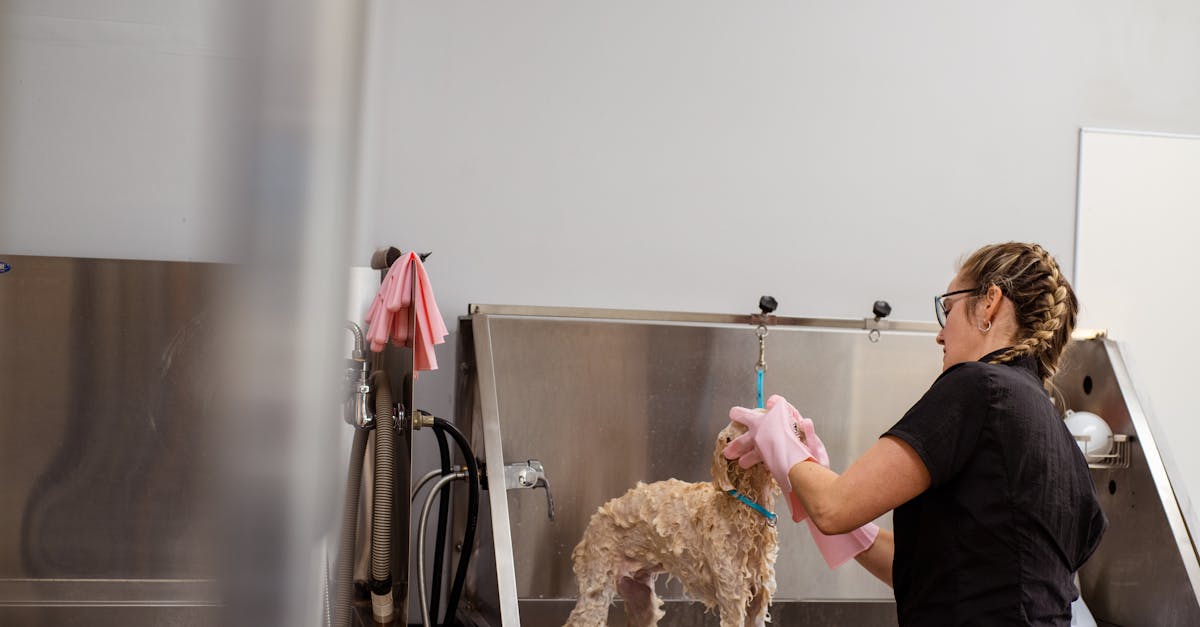
Cooperative care is a training approach where the dog is taught to voluntarily participate in husbandry procedures — nail trims, ear cleaning, injections, examinations — rather than being physically restrained and forced. The dog learns a "consent" behavior (like placing its chin on a surface) that communicates "I'm ready, proceed." If the dog lifts its chin (removes consent), the procedure pauses. This paradigm dramatically reduces stress, eliminates the need for restraint, and creates dogs that are genuinely calm during veterinary and grooming procedures.
Why Cooperative Care Matters
- Eliminates grooming/vet fear: Dogs learn that procedures are predictable and stoppable — the opposite of learned helplessness
- Prevents bite risk: Fearful restrained dogs are the most common source of veterinary bites
- Better medical outcomes: Relaxed patients allow more thorough examinations
- Lifetime of easy care: A dog trained in cooperative care is easier to manage for its entire life
- Empowerment: Giving the dog agency reduces anxiety more than any other single factor
The Chin Rest (Foundation Behavior)
The chin rest is the most common "consent" behavior in cooperative care:
- Shape the chin rest: Place hand palm-up. Mark and treat when dog rests chin on your hand (even momentarily).
- Build duration: Dog holds chin on hand for 2 seconds → 5 → 10 → 30 seconds. Treat while chin remains in position.
- Add mild handling: Chin on hand → touch ear gently → treat. Chin on hand → touch paw → treat.
- The rule: If the dog LIFTS its chin (removes consent) → ALL handling stops immediately. Wait for dog to re-offer chin → resume.
- Progression: Chin on hand → full ear examination. Chin on hand → nail file on one nail. Chin on hand → blood draw (yes, this is achievable).
Nail Trimming Protocol
The most dreaded husbandry task for most dogs and owners:
- Counter-condition nail clipper appearance: See clippers → treat. Touch clippers to paw → treat. (No clipping yet.)
- Desensitize to paw handling: Touch paw → treat. Hold paw → treat. Spread toes → treat.
- Add clipper proximity: Clipper near nail → treat. Clipper touches nail → treat. (Still no cutting.)
- First clip: ONE tiny nail tip → mega jackpot treats. End session.
- Build gradually: One nail per session → two nails → one paw → all paws (over weeks-months).
- Alternative: scratch board/nail file: Teach dog to file own nails by scratching sandpaper on a board. Eliminates clipper fear entirely.
Vet Visit Preparation
- Happy visits: Regular trips to the vet for treats only (no procedures). Walk in → treats → leave. Build positive associations with the building, staff, and exam room.
- Practice at home: Stethoscope sounds (YouTube), being lifted onto table-height surfaces, mouth/ear/eye examination with treats.
- Mock restraint: Gentle holds in various positions → treats. Build tolerance to positions used during exams.
- Muzzle training: For safety — a muzzle-trained dog can receive emergency care without delay. Muzzle = treat dispenser during training.
Frequently Asked Questions
This seems like it takes forever. Can't I just hold my dog down for nail trims?
You can — but each forced restraint event increases fear for next time, creating dogs that require sedation for basic grooming by age 3-4. Cooperative care takes weeks of investment upfront but produces a dog that VOLUNTEERS for procedures for life. The math favors the investment: 4 weeks of training vs. 12+ years of fighting, sedation costs, and injury risk.