
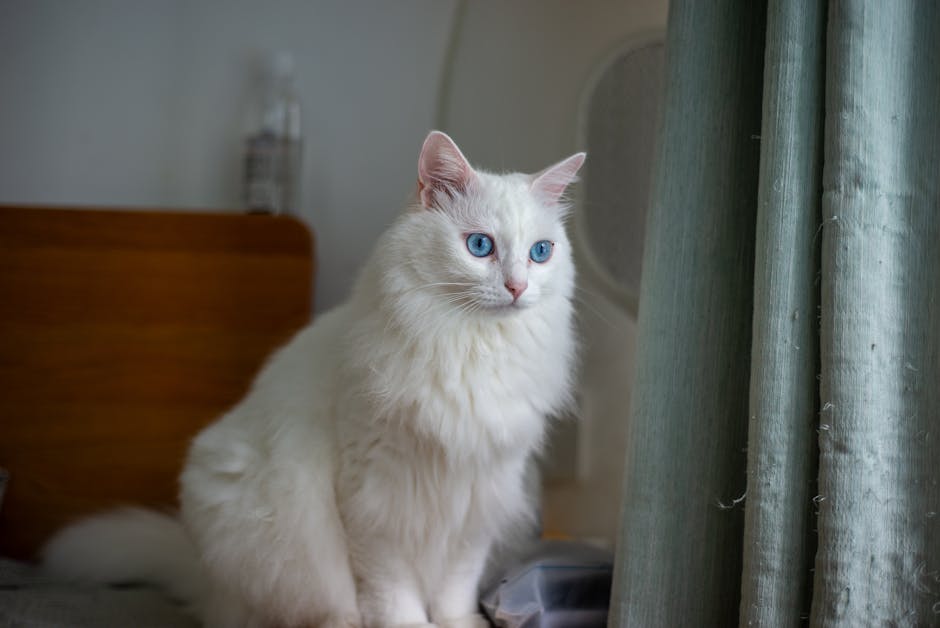
With a silky, flowing coat and a personality as lively as their playful leaps, the Turkish Angora cat breed captures hearts instantly. Originating from Turkey, these elegant felines are among the oldest domesticated cat breeds, known for their striking white fur and captivating blue or amber eyes. Whether you're drawn to their graceful appearance or their energetic antics, this comprehensive guide covers everything you need to know about the Turkish Angora cat breed.
What Is the Turkish Angora Cat Breed?
The Turkish Angora is a natural breed that has been cherished for centuries in the Ankara region of Turkey. These cats are medium-sized with a long, slender body and a wedge-shaped head. Their most distinctive feature is their silky, medium-length coat that shimmers under light. While white cats with odd-colored eyes are iconic, Turkish Angoras come in many colors and patterns. However, Furthermore, they have a fine-boned structure that gives them an ethereal elegance. Their ears are large and tufted, adding to their alert expression.
Is the Turkish Angora a Hypoallergenic Cat?
Many potential owners wonder about allergies. The Turkish Angora produces less of the Fel d 1 protein, the primary allergen found in cat saliva and dander, compared to other breeds. Additionally, their single-layer coat sheds minimally, which can reduce allergen spread. While no cat is completely hypoallergenic, this breed is often considered more tolerable for allergy sufferers. However, individual reactions vary, so spending time with a Turkish Angora before adoption is recommended.
- Less Fel d 1 protein production
- Low shedding single coat
- Regular grooming helps control dander
What Is the Temperament of the Turkish Angora?
The Turkish Angora is known for its intelligence, curiosity, and playful nature. They form strong bonds with their human families and enjoy interactive toys. These cats are active and require mental stimulation; otherwise, they may develop mischievous behaviors. Furthermore, they are highly social and often get along with children and other pets. Despite their aristocratic looks, they are affectionate and love to cuddle—on their terms. Turkish Angoras can also be taught tricks and enjoy leash training.
How to Care for a Turkish Angora Cat?
Caring for a Turkish Angora involves attention to grooming, diet, and exercise. Their coat needs weekly brushing to prevent tangles and reduce shedding. However, during seasonal changes, more frequent grooming is needed. Provide a high-protein, balanced diet with adequate taurine. Additionally, interactive toys and cat trees are essential to keep this active breed entertained. Veterinary check-ups should include dental care and monitoring for common health issues.
- Brush coat weekly, increase during shedding seasons
- Feed high-quality cat food with taurine
- Provide climbing structures and puzzle toys
- Schedule annual vet visits with dental checks
What Are Common Health Issues in Turkish Angora Cats?
Turkish Angoras are generally healthy but can be prone to certain conditions. Deafness is a known issue, especially in white cats with blue eyes. Furthermore, they may develop hypertrophic cardiomyopathy (HCM), a heart disease. Responsible breeders screen for these issues. Other concerns include patellar luxation and skin conditions. Regular veterinary care and a healthy lifestyle can mitigate many risks.
| Health Issue | Description | Prevention |
|---|---|---|
| Deafness | Common in white cats with blue eyes | Genetic testing, consider hearing test |
| HCM | Heart muscle thickening | Annual cardiac ultrasound |
| Patellar Luxation | Knee joint dislocation | Weight management, exercise |
How Does the Turkish Angora Compare to Other Cat Breeds?
Compared to the Persian, the Turkish Angora is more active and less high-maintenance in grooming. Unlike the Siamese, they are less vocal but equally affectionate. When set against the Maine Coon, Turkish Angoras are smaller and more agile. Their elegance rivals that of the Balinese, but the Angora has a finer bone structure. However, each breed has unique needs; the Turkish Angora suits owners who can provide engagement and space.
Is the Turkish Angora Cat Right for Your Family?
If you seek an elegant, active companion that thrives on interaction, the Turkish Angora is an excellent choice. They adapt well to families with older children who understand respectful handling. Their intelligence makes them engaging but also demands attention. Consider your lifestyle: do you have time for daily play and grooming? Are you prepared for their curious nature? With proper care, these cats can live 15–20 years, bringing joy and beauty to your home.
In conclusion, the Turkish Angora cat breed combines striking looks with a spirited personality. Their hypoallergenic tendencies and moderate grooming needs make them accessible, while their intelligence and playfulness ensure they are never boring. Whether you're a seasoned cat owner or a newcomer, understanding this breed's unique traits will help you provide the love and care they deserve.