
What Makes the Exotic Shorthair Cat Unique?
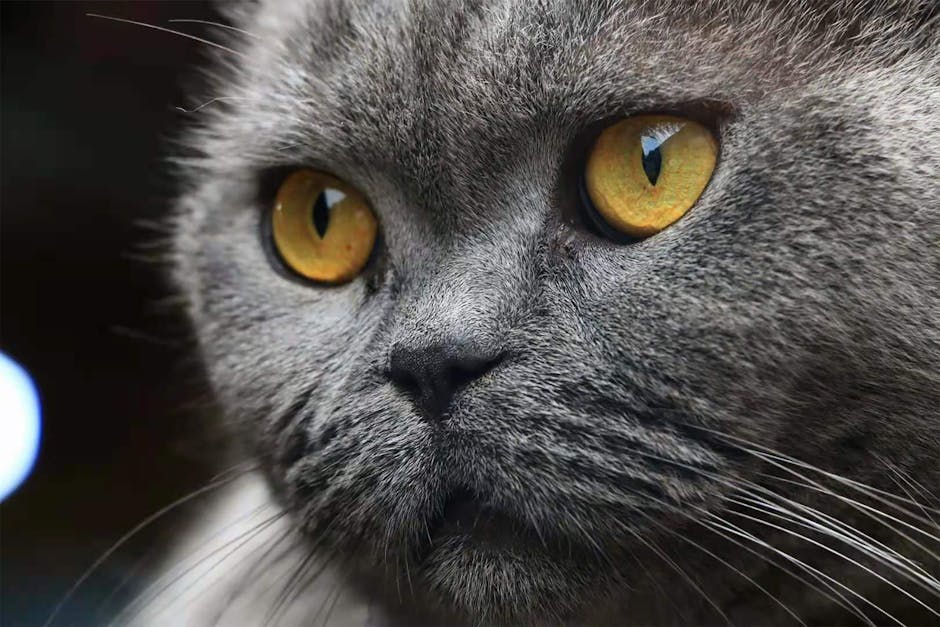
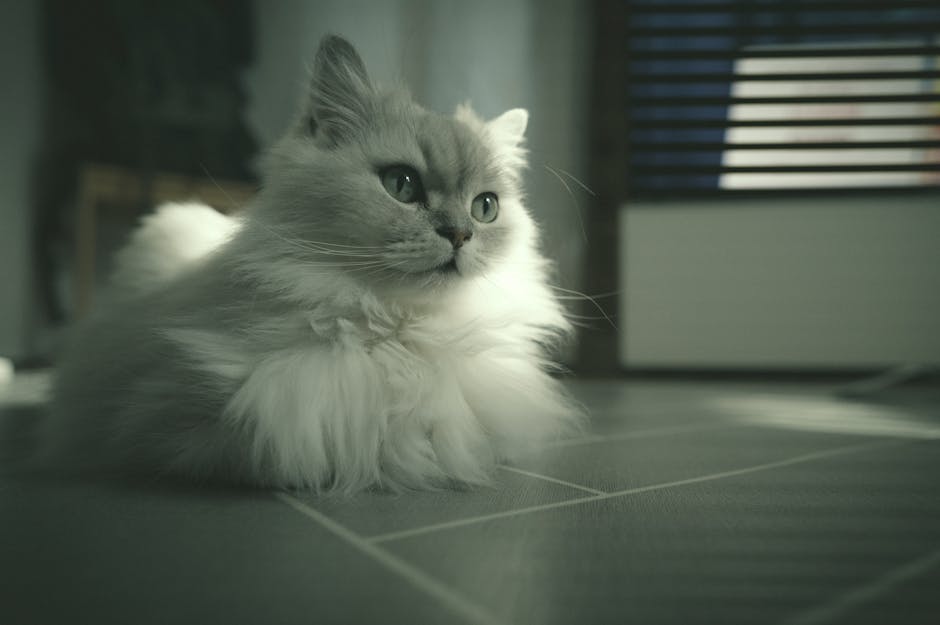
If you’re looking for a cat with the sweet personality of a Persian but without the high-maintenance coat, the Exotic Shorthair cat is the perfect choice. Often called the “lazy man’s Persian,” this flat-face breed combines a plush, teddy-bear appearance with a low-shedding, easy-care coat. First recognized in the 1950s, Exotics were developed by crossing Persians with American Shorthairs to create a breed that retains the Persian’s round face and calm demeanor but has a short, dense fur. Their large, round eyes and pushed-in nose give them an endearing expression that melts hearts. Despite their somewhat serious look, Exotics are playful and affectionate, making them excellent companions for families and individuals alike.
How to Care for an Exotic Shorthair Cat?
Caring for an Exotic Shorthair is relatively straightforward, but their flat face requires some special attention. Because of their brachycephalic (flat-face) structure, they are prone to breathing difficulties and eye discharge. Here are key care tips:
- Clean their facial folds daily with a damp cloth to prevent skin infections.
- Wipe away eye discharge with a soft, moistened pad to avoid tear staining.
- Provide a stress-free environment; avoid overcrowding or sudden loud noises.
- Keep their living space at a moderate temperature, as they can overheat easily.
Furthermore, regular vet checkups are essential to monitor their respiratory health. With proper care, Exotics thrive in calm households and enjoy lounging on laps or playing gently with toys.
What Are Common Health Issues in Exotic Shorthair Cats?
Due to their flat faces, Exotic Shorthairs are susceptible to specific health problems. Brachycephalic airway syndrome is a primary concern, causing snoring, labored breathing, and difficulty exercising. Additionally, they are prone to dental malocclusions, eye conditions like entropion (inward-rolling eyelids), and polycystic kidney disease (PKD), a genetic disorder inherited from Persians. Responsible breeders screen for PKD, so always ask for health clearances. Obesity can exacerbate breathing issues, so maintain a lean weight. Regular veterinary care, including dental cleanings and eye exams, helps manage these risks.
How to Groom Your Exotic Shorthair Cat?
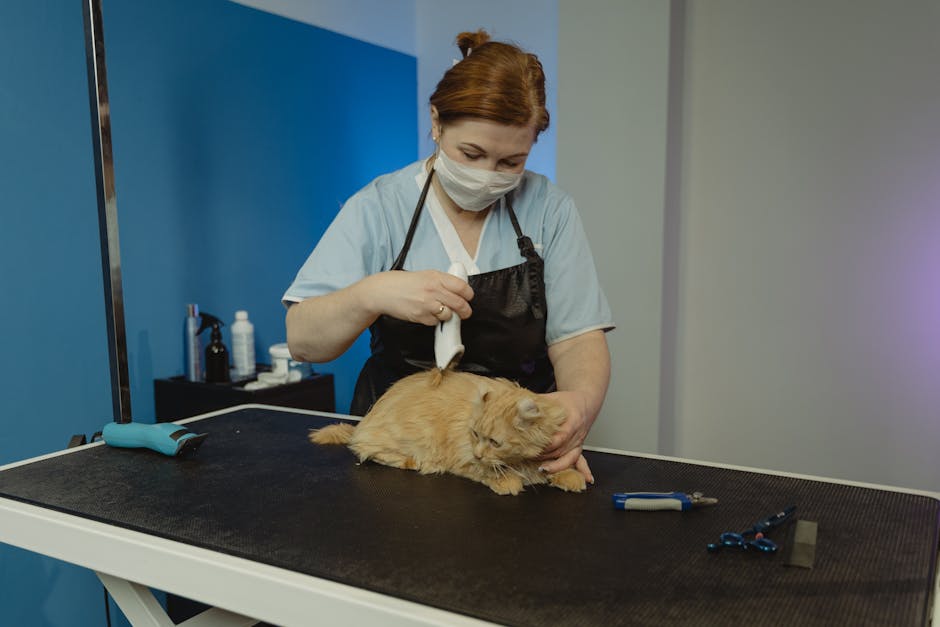
One of the biggest advantages of the Exotic Shorthair is its low-maintenance coat. Unlike the Persian, their short fur doesn’t mat easily. However, they shed seasonally, so weekly brushing with a rubber curry comb removes loose hair and distributes natural oils. During heavy shedding periods, increase brushing to two or three times a week. Nail trimming every 10–14 days and regular ear checks prevent infections. Bathing is rarely needed unless they get dirty, but a gentle wipe with a pet-safe wet cloth keeps their coat shiny. Remember to clean their face daily, as tear stains can accumulate.
What Is the Ideal Diet for an Exotic Shorthair Cat?
To keep your Exotic Shorthair healthy, feed a high-protein, low-carbohydrate diet that supports their moderate activity level. Choose premium commercial cat food with real meat as the first ingredient. Because of their flat face, they may have trouble picking up kibble; wet food or smaller, bite-sized dry food can make eating easier. Portion control is crucial—Exotics are prone to obesity. Follow feeding guidelines and split meals into two or three servings per day. Additionally, ensure fresh water is always available. For optimal health, consult your vet about adding omega-3 fatty acids supplements for skin and coat health.
How to Train an Exotic Shorthair Cat?
Exotic Shorthairs are intelligent and eager to please, making them relatively easy to train. Use positive reinforcement techniques such as treats, praise, and clicker training. They can learn basic commands like “sit,” “stay,” and “come,” as well as tricks like fetching a small toy. Start training early, preferably at kittenhood, to establish good habits. Litter box training is usually straightforward, but ensure the box has low sides for easy access. Socialize them with people and other pets gradually. However, avoid harsh punishment—Exotics are sensitive and may become withdrawn. Consistent, gentle training yields the best results.
Are Exotic Shorthair Cats Good with Children and Other Pets?
Yes, Exotic Shorthairs typically get along well with children and other animals due to their calm and gentle nature. They are not overly energetic, so they tolerate gentle handling by older kids who understand cat boundaries. However, very young children should be supervised to prevent accidental rough play. Around other pets, Exotics are generally relaxed and can coexist peacefully with dogs and other cats, especially if introduced slowly. Their laid-back personality makes them less likely to start conflicts, but they may need quiet space to retreat if overwhelmed. Overall, they are ideal for families seeking a friendly, low-key feline companion.
Where to Find a Reputable Exotic Shorthair Breeder?
Finding a responsible breeder is crucial to ensure a healthy kitten. Look for breeders who prioritize health testing for PKD, heart conditions, and eye disorders. They should provide a clean environment, socialize kittens, and offer a health guarantee. Avoid pet stores or online sellers with no health records. Reputable breeders often belong to cat fancy organizations like the Cat Fanciers’ Association (CFA) or The International Cat Association (TICA). Additionally, consider adopting from breed-specific rescues; many Exotics end up in shelters. Whether you buy or adopt, ask for veterinary references and visit the facility in person if possible.
Conclusion
The Exotic Shorthair cat is a wonderful flat-face breed that combines the best traits of the Persian with a low-maintenance coat. With proper care, a healthy diet, and regular vet visits, they can live long, happy lives. Their affectionate and calm demeanor makes them perfect for families, seniors, and those seeking a cuddly companion. If you’re ready for a gentle, teddy-bear feline that requires minimal grooming, the Exotic Shorthair might be your ideal match. Start your journey by researching reputable breeders or rescue groups today!