
Welcome to the ultimate Siamese cat breed guide, where we explore everything that makes this feline so unique—from its famously vocal personality to its ancient history. If you’ve ever been captivated by a Siamese’s striking blue eyes and chatty demeanor, you’re in the right place. In this comprehensive guide, we’ll cover their temperament, care needs, and what potential owners should know.
What Makes the Siamese Cat Breed So Vocal?
Siamese cats are renowned for their talkative nature, often described as one of the most vocal cat breeds. They use a wide range of meows, yowls, and chirps to communicate with their humans. This breed thrives on interaction and will not hesitate to demand attention—especially at mealtime or when they want to play. Their vocalizations are not just random noise; they are purposeful. For example:
- Hunger calls: A distinct, insistent meow to remind you it’s feeding time.
- Affectionate chirps: Soft sounds made when greeting you or settling in your lap.
- Warning yowls: Louder calls if they feel threatened or annoyed.
Furthermore, their vocal personality is deeply tied to their social needs. Siamese cats form strong bonds and dislike being left alone for long periods. If you’re considering this breed, be prepared for a chatty companion who will “talk” back to you.

What Is the History of the Siamese Cat Breed?
The Siamese cat breed originates from Thailand (formerly known as Siam), where they were revered as temple cats and companions of royalty. Historical records and manuscripts date back to the 14th century, depicting cats with similar dark points and blue eyes. These cats were considered sacred and were often kept in palaces and temples. In the late 19th century, the breed was introduced to the Western world when the King of Siam gifted several Siamese cats to British diplomats. Consequently, they quickly gained popularity in Europe and later in America.
One fascinating aspect of their history is the legend that Siamese cats were tasked with guarding royal treasures, and their intense gaze was meant to ward off evil spirits. This rich heritage contributes to their regal demeanor and strong personality even today.
What Are the Distinctive Physical Traits of the Siamese?
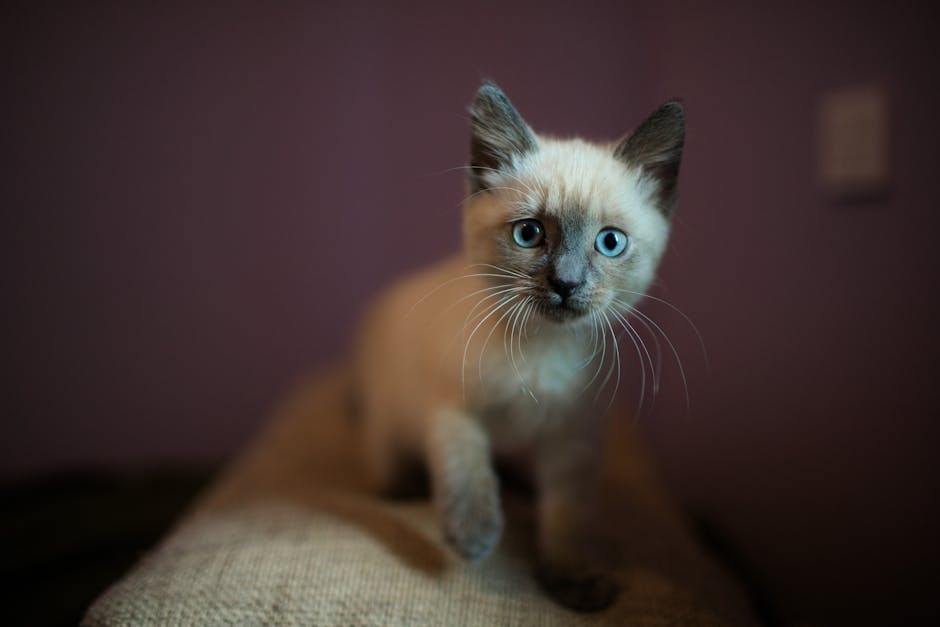
Siamese cats are easily recognized by their sleek, muscular bodies, wedge-shaped heads, and large, almond-shaped blue eyes. Their most distinctive feature is the color-point pattern—darker coloration on the ears, face, paws, and tail, which contrasts with a lighter body. This pattern is temperature-sensitive: the cooler extremities develop more pigment. The breed comes in several recognized colors, including seal, chocolate, blue, and lilac point.
Additionally, Siamese cats have short, fine coats that require minimal grooming—a weekly brush is usually sufficient. They are medium-sized cats, with males typically weighing 8–12 pounds and females 6–10 pounds.
How to Care for a Siamese Cat's Vocal Personality?
Living with a vocal Siamese means understanding their communication style. Here are some tips to keep your cat happy and your home harmonious:
- Engage in regular interactive play: Use wand toys or puzzle feeders to channel their energy.
- Provide plenty of attention: Set aside time daily for cuddles and conversation—they love to be talked to.
- Enrich their environment: Cat trees, window perches, and climbing shelves help reduce boredom and excessive meowing.
- Establish routines: Consistent feeding and play schedules can minimize attention-seeking vocalizations.
However, it’s important to note that some meowing is normal. Never punish a Siamese for being vocal; instead, redirect or ignore unwanted behavior and reward quiet moments.
What Training Tips Work Best for Siamese Cats?
Siamese cats are highly intelligent and can be trained using positive reinforcement methods. They respond well to treats, clicker training, and praise. Start with basic commands like “sit” or “come,” and gradually introduce tricks such as fetching high fives. Because they are social, training sessions should be short and fun—5 to 10 minutes daily is ideal.
Importantly, Siamese cats can also be leash-trained for supervised outdoor adventures. Use a harness designed for cats and allow them to get comfortable indoors before venturing out. Their curiosity and boldness make them excellent candidates for harness walks.
Are Siamese Cats a Healthy Breed?
Overall, Siamese cats are relatively healthy with a lifespan of 12–15 years, but they are prone to specific hereditary conditions. Common health issues include progressive retinal atrophy (PRA), which can lead to blindness; amyloidosis (a liver disease); and respiratory problems due to their brachycephalic (flat-faced) structure. Regular veterinary check-ups and genetic testing can help manage these risks.
Furthermore, maintaining a balanced diet and ensuring they get enough exercise prevents obesity, which can exacerbate health problems. Grooming is minimal, but dental care is crucial—brush their teeth regularly to avoid periodontal disease.
Is the Siamese Cat Breed Right for You?
Siamese cats are affectionate, intelligent, and highly social companions. They thrive in homes where they receive constant interaction and mental stimulation. If you have other pets or children, early socialization is key—they generally get along well with gentle dogs and kids. However, their vocal nature and need for attention may not suit every household. Consider your lifestyle before adopting. With proper care, a Siamese will reward you with years of loyalty and captivating conversations.