
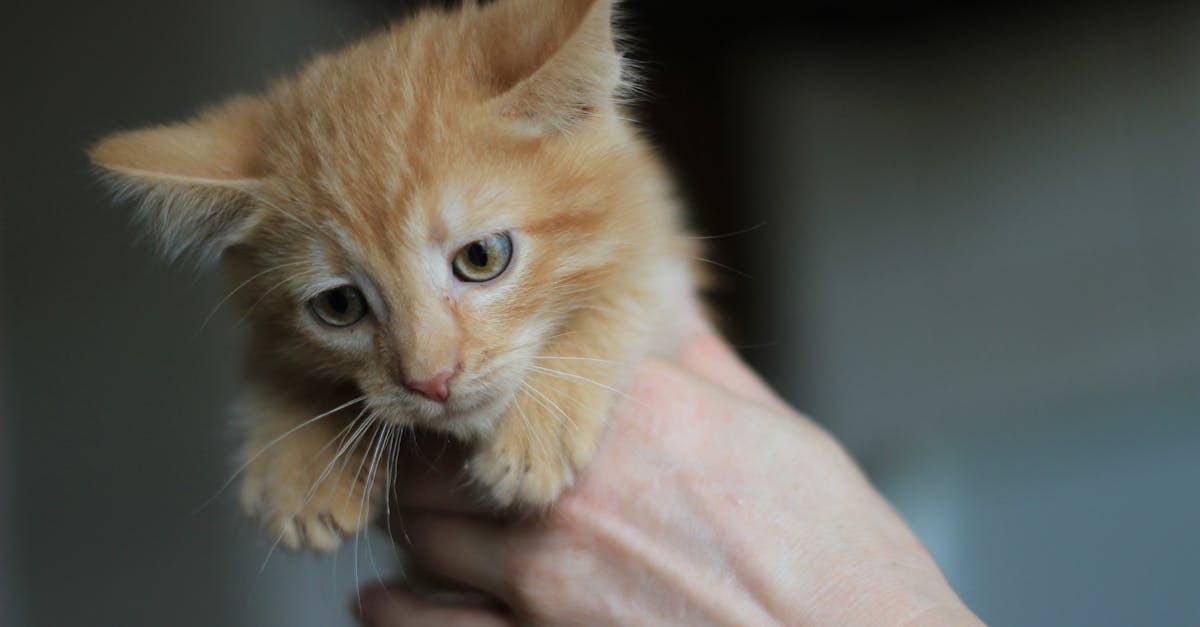
The vast majority of cats -- approximately 95% -- are mixed breed "domestic shorthairs" (DSH), "domestic mediumhairs" (DMH), or "domestic longhairs" (DLH). These cats do not come with breed labels or pedigrees, but they come with something arguably better: genetic diversity, resilience, and personalities as unique as snowflakes.
Understanding Shelter Cat Labels
| Label | Meaning |
|---|---|
| DSH (Domestic Shorthair) | Mixed breed with short coat -- the "mutt" of cats |
| DMH (Domestic Mediumhair) | Mixed breed with medium-length coat |
| DLH (Domestic Longhair) | Mixed breed with long coat |
| "Siamese mix" | Has some pointed coloring but is not purebred Siamese |
| "Maine Coon mix" | Large, fluffy -- probably just a big domestic longhair |
| "Tabby" | Coat pattern, NOT a breed |
Advantages of Mixed Breed Cats
- Hybrid vigor: Wider gene pool = fewer inherited diseases
- Longevity: Mixed breeds often live 15-20+ years
- Unique: No two look alike -- every cat is one of a kind
- Affordable: Adoption fees ($50-$150) vs. breeder prices ($500-$5,000+)
- Already spayed/neutered: Most shelters include this
- Vaccinated and health-checked: Basic vet care included
- Saving a life: 3.2 million cats enter US shelters annually
Spotting Breed Traits in Shelter Cats
- Large, tufted ears + long body: Possible Maine Coon heritage
- Blue-gray coat + green eyes: Possible Russian Blue influence
- Pointed coloring + vocal: Possible Siamese heritage
- Spotted coat + athletic: Possible Bengal or Ocicat influence
- Flat face + long coat: Possible Persian heritage
- Curly coat: Rex breed heritage (rare in shelters)
- Note: Most visual "breed guesses" are inaccurate. DNA tests are available if curious.
How to Choose a Shelter Cat
- Personality over appearance: Choose behavior, not looks
- Ask shelter staff: They know each cat's temperament from daily interaction
- Spend time: Sit in the cat room. The right cat often chooses you.
- Consider adults: Kittens get adopted fast. Adult cats are calmer, personality is known.
- Consider bonded pairs: Two cats entertain each other, reducing behavioral issues
- FIV+ cats: Can live normal, healthy lives. Are often overlooked.
- Black cats: Least adopted color. Equally wonderful. Give them a chance.
Frequently Asked Questions
Is a shelter cat less affectionate than a purebred?
Absolutely not. Affection is individual, not breed-dependent. Some of the most devoted, loving cats in the world are shelter cats who seem to understand they were rescued. Many shelter volunteers report that rescue cats are MORE affectionate -- as if they are grateful for a second chance. Breed predicts general temperament tendencies, but individual personality varies enormously. Your shelter DSH may be more cuddly than any pedigree Ragdoll.