
Cat Breeds

Scottish Fold Cat Breed Health Issues and Controversy

Scottish Fold Cat Breed Health Issues and Controversy

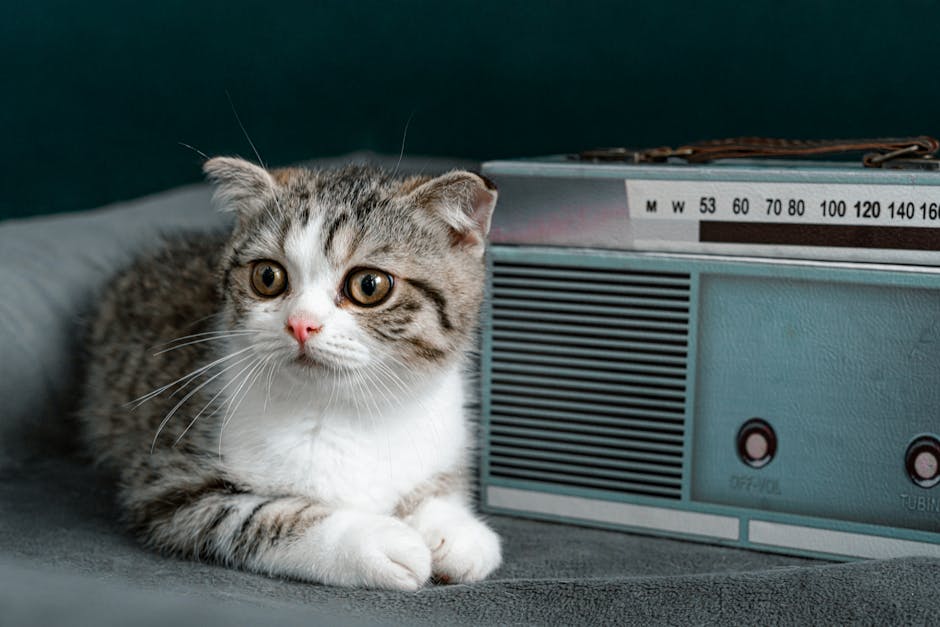
With their distinct folded ears and owl-like expression, Scottish Fold cats are undeniably adorable. However, behind this charming appearance lies a complex set of health challenges and ethical debates. The Scottish Fold cat breed health issues and controversy have sparked widespread discussion among veterinarians, breeders, and pet lovers. This guide explores the major health problems, the ongoing controversy, and what potential owners need to know before bringing one home.
What Are the Most Common Health Issues in Scottish Fold Cats?

What Are the Most Common Health Issues in Scottish Fold Cats?

Scottish Fold cats are prone to several inherited disorders, primarily due to the same genetic mutation that causes their characteristic ear fold. This mutation affects cartilage throughout the body, leading to a condition known as osteochondrodysplasia. Beyond this, other common health issues include:

  • Osteochondrodysplasia: A painful skeletal disorder causing bone deformities and arthritis.
  • Polycystic kidney disease (PKD): Inherited condition leading to kidney cysts and potential failure.
  • Hypertrophic cardiomyopathy (HCM): A heart muscle disease common in many cat breeds.
  • Ear problems: Folded ears can trap moisture and debris, increasing infection risk.
  • Spinal and tail deformities: Short, stiff tails and fused vertebrae are common.

Furthermore, these issues often manifest early, sometimes as young as a few months old. Owners must be vigilant for signs of pain or stiffness, such as reluctance to jump or play. It is crucial to obtain a Scottish Fold from a reputable breeder who screens for these genetic conditions, though even then, the risk remains high due to the dominant nature of the mutation.

Why Is the Scottish Fold Controversial Among Cat Breeders?

Why Is the Scottish Fold Controversial Among Cat Breeders?

The controversy surrounding Scottish Folds centers on animal welfare. The very gene responsible for the folded ears—a dominant mutation affecting cartilage—also causes progressive joint disease. Many argue that breeding these cats intentionally perpetuates suffering for cosmetic purposes. Additionally, in some countries like the United Kingdom, the breed is not recognized by major cat registries due to ethical concerns. Veterinary associations have also expressed caution, with some recommending against breeding any cat with the fold. However, breeders who focus on "straight-eared" Scottish Folds (which lack the mutation) face less criticism, as they avoid most health issues. In contrast, those breeding folded-ear cats often claim careful genetic management can minimize problems, though independent studies suggest otherwise. Consequently, potential owners must weigh the aesthetic appeal against the inevitable health challenges.

How Does Osteochondrodysplasia Affect Scottish Fold Cats?

Osteochondrodysplasia is the hallmark health issue of the Scottish Fold breed. It is a hereditary disorder that results from abnormal cartilage development, affecting bones and joints throughout the body. The condition typically begins to show signs between six weeks and seven months of age. Symptoms include stiff tail, abnormal gait, and reluctance to move. In severe cases, cats develop dwarfism-like features, with short, thick limbs and deformed paws. As the disease progresses, arthritis sets in, causing chronic pain. Radiographs often reveal bone spurs, narrowing of joint spaces, and fusions in the spine and tail. Unfortunately, because the mutation that causes the ear fold also causes this disorder, all folded-eared Scottish Folds are affected to some degree. Treatment focuses on pain management using anti-inflammatories, joint supplements, and sometimes surgery. There is no cure, and many cats require lifelong care. Therefore, ethical breeders aim to reduce suffering by pairing folded-ear cats with straight-eared ones to produce only one copy of the mutation, but even then, symptoms are common.

What Other Health Problems Should Scottish Fold Owners Watch For?

Beyond osteochondrodysplasia, Scottish Folds face additional health challenges. Hypertrophic cardiomyopathy (HCM) is notably prevalent, causing thickening of the heart muscle and potential heart failure. Regular cardiac screening via echocardiogram is recommended. Polycystic kidney disease (PKD) also occurs, leading to kidney failure if untreated, though responsible breeders test for this. Ear infections are another issue due to the unique ear anatomy—frequent cleaning is essential. Furthermore, obesity can exacerbate joint problems, so weight management is critical. Dental disease is common as well; regular brushing and veterinary check-ups can help. Owners should also watch for urinary tract issues, which can be stress-related. Because these conditions overlap with general feline health, maintaining a strong relationship with a veterinarian familiar with the breed is key. Additionally, early detection improves outcomes, so annual wellness exams are mandatory.

How Can You Care for a Scottish Fold Cat with Health Issues?

Caring for a Scottish Fold requires proactive and compassionate measures. Here are essential tips:

  • Provide joint support: Use orthopedic beds, ramps, and low-sided litter boxes to reduce strain.
  • Diet and weight control: Feed a high-quality diet with joint supplements containing glucosamine, chondroitin, and omega-3s.
  • Regular veterinary check-ups: Schedule twice-yearly visits for screening—blood work, heart scans, and dental checks.
  • Pain management: Work with your vet to find appropriate pain relief options, including medication, acupuncture, or laser therapy.
  • Monitor ear hygiene: Clean ears weekly with a vet-approved solution to prevent infections.

Furthermore, mental stimulation is important; provide puzzle toys and gentle play that doesn't stress joints. Because Scottish Folds are generally calm and affectionate, they adapt well to indoor life. However, their condition may limit jumping, so create a cat-friendly environment with easy access to favorite spots. Finally, pet insurance is highly recommended given the lifelong medical costs associated with the breed. In summary, with dedicated care, Scottish Folds can live comfortably, though owners must be prepared for potential challenges.

What Is the Final Verdict on Scottish Fold Cats?

The Scottish Fold cat breed health issues and controversy remain deeply intertwined. While these cats are loving and unique, the ethical implications of breeding for a mutation that causes pain cannot be ignored. Potential owners should research thoroughly, adopt from ethical sources that prioritize health over appearance, and consider adopting a straight-eared Scottish Fold or a mix to avoid severe problems. If you already have a Scottish Fold, commit to providing the best possible care through veterinary partnerships and lifestyle adaptations. Ultimately, knowledge is your best tool—by understanding the breed's needs, you can offer a fulfilling life while advocating for better breeding practices.

Share: Facebook Twitter Pinterest

SWT Pal Pet

Pet Care Expert

Expert in pet care with years of experience helping pet owners make informed decisions about their furry friends.

← Previous British Shorthair Cat Breed Guide Calm and Affectionate Next → Birman Cat Breed Profile Sacred Cat of Burma
We use cookie to improve your online experience. By continuing to browse this website, you agree to our use of cookie.

Cookies

Please read our Terms and Conditions and this Policy before accessing or using our Services. If you cannot agree with this Policy or the Terms and Conditions, please do not access or use our Services. If you are located in a jurisdiction outside the European Economic Area, by using our Services, you accept the Terms and Conditions and accept our privacy practices described in this Policy.
We may modify this Policy at any time, without prior notice, and changes may apply to any Personal Information we already hold about you, as well as any new Personal Information collected after the Policy is modified. If we make changes, we will notify you by revising the date at the top of this Policy. We will provide you with advanced notice if we make any material changes to how we collect, use or disclose your Personal Information that impact your rights under this Policy. If you are located in a jurisdiction other than the European Economic Area, the United Kingdom or Switzerland (collectively “European Countries”), your continued access or use of our Services after receiving the notice of changes, constitutes your acknowledgement that you accept the updated Policy. In addition, we may provide you with real time disclosures or additional information about the Personal Information handling practices of specific parts of our Services. Such notices may supplement this Policy or provide you with additional choices about how we process your Personal Information.


Cookies

Cookies are small text files stored on your device when you access most Websites on the internet or open certain emails. Among other things, Cookies allow a Website to recognize your device and remember if you've been to the Website before. Examples of information collected by Cookies include your browser type and the address of the Website from which you arrived at our Website as well as IP address and clickstream behavior (that is the pages you view and the links you click).We use the term cookie to refer to Cookies and technologies that perform a similar function to Cookies (e.g., tags, pixels, web beacons, etc.). Cookies can be read by the originating Website on each subsequent visit and by any other Website that recognizes the cookie. The Website uses Cookies in order to make the Website easier to use, to support a better user experience, including the provision of information and functionality to you, as well as to provide us with information about how the Website is used so that we can make sure it is as up to date, relevant, and error free as we can. Cookies on the Website We use Cookies to personalize your experience when you visit the Site, uniquely identify your computer for security purposes, and enable us and our third-party service providers to serve ads on our behalf across the internet.

We classify Cookies in the following categories:
 ●  Strictly Necessary Cookies
 ●  Performance Cookies
 ●  Functional Cookies
 ●  Targeting Cookies


Cookie List
A cookie is a small piece of data (text file) that a website – when visited by a user – asks your browser to store on your device in order to remember information about you, such as your language preference or login information. Those cookies are set by us and called first-party cookies. We also use third-party cookies – which are cookies from a domain different than the domain of the website you are visiting – for our advertising and marketing efforts. More specifically, we use cookies and other tracking technologies for the following purposes:

Strictly Necessary Cookies
These cookies are necessary for the website to function and cannot be switched off in our systems. They are usually only set in response to actions made by you which amount to a request for services, such as setting your privacy preferences, logging in or filling in forms. You can set your browser to block or alert you about these cookies, but some parts of the site will not then work. These cookies do not store any personally identifiable information.

Functional Cookies
These cookies enable the website to provide enhanced functionality and personalisation. They may be set by us or by third party providers whose services we have added to our pages. If you do not allow these cookies then some or all of these services may not function properly.

Performance Cookies
These cookies allow us to count visits and traffic sources so we can measure and improve the performance of our site. They help us to know which pages are the most and least popular and see how visitors move around the site. All information these cookies collect is aggregated and therefore anonymous. If you do not allow these cookies we will not know when you have visited our site, and will not be able to monitor its performance.

Targeting Cookies
These cookies may be set through our site by our advertising partners. They may be used by those companies to build a profile of your interests and show you relevant adverts on other sites. They do not store directly personal information, but are based on uniquely identifying your browser and internet device. If you do not allow these cookies, you will experience less targeted advertising.

How To Turn Off Cookies
You can choose to restrict or block Cookies through your browser settings at any time. Please note that certain Cookies may be set as soon as you visit the Website, but you can remove them using your browser settings. However, please be aware that restricting or blocking Cookies set on the Website may impact the functionality or performance of the Website or prevent you from using certain services provided through the Website. It will also affect our ability to update the Website to cater for user preferences and improve performance. Cookies within Mobile Applications

We only use Strictly Necessary Cookies on our mobile applications. These Cookies are critical to the functionality of our applications, so if you block or delete these Cookies you may not be able to use the application. These Cookies are not shared with any other application on your mobile device. We never use the Cookies from the mobile application to store personal information about you.

If you have questions or concerns regarding any information in this Privacy Policy, please contact us by email at . You can also contact us via our customer service at our Site.