
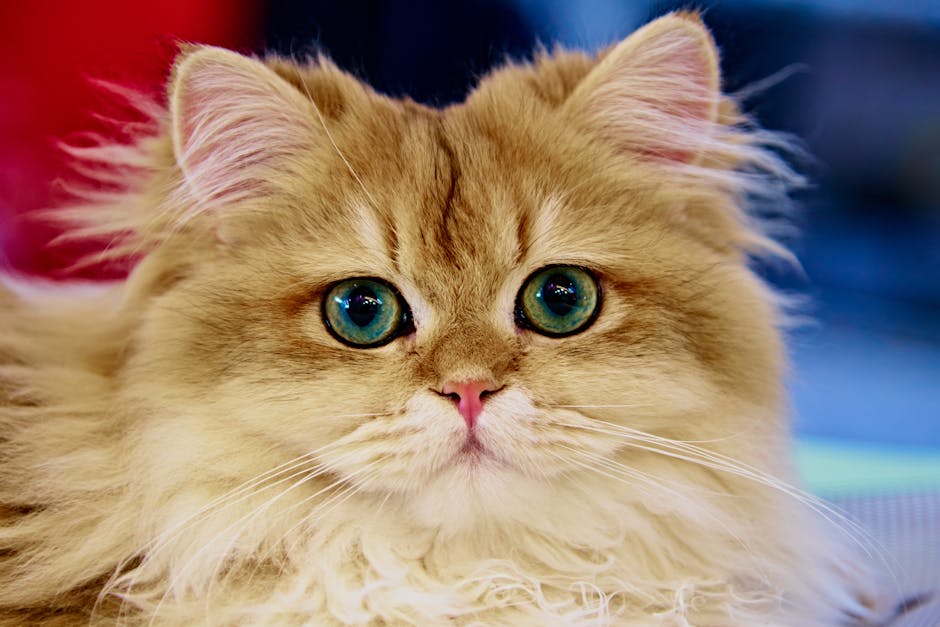
If you’re searching for a cat that embodies elegance and affection, look no further than the Persian cat breed. With their luxurious coats, sweet expressions, and calm demeanor, Persians have captured hearts for centuries. This comprehensive guide dives deep into everything you need to know about these regal felines, from their unique personality traits to essential care routines, ensuring you’re fully prepared to welcome one into your home.
What Makes the Persian Cat Breed Unique?
The Persian cat breed stands out for its distinctive physical features and temperament. Known for their round faces, short noses, and long, flowing coats, Persians exude an air of royalty. Beyond their appearance, they are incredibly gentle and thrive in quiet, stable environments. However, their beauty comes with specific needs that require dedicated attention. Unlike more active breeds, Persians prefer lounging on soft surfaces over climbing cat trees, making them ideal companions for apartment dwellers or those seeking a low-energy pet.
Another unique aspect is their voice – or lack thereof. Persians are generally quiet cats, communicating with soft mews and expressive eyes. This makes them less intrusive than vocal breeds like Siamese. Their calm nature also means they adapt well to being solo pets or living with other calm animals. Nevertheless, they form strong bonds with their owners and can suffer from separation anxiety if left alone too often.
What is the History of the Persian Cat Breed?
The Persian cat breed boasts a rich history dating back to the 1600s. Originating in Persia (modern-day Iran), these cats were prized by nobility and traders. They were brought to Europe in the 17th century by Italian traveler Pietro Della Valle, who admired their silky coats and gentle demeanor. Over time, Persian cats were selectively bred to enhance their round faces and short muzzles, a look that became highly sought after in Victorian England. By the late 1800s, they were a staple in cat shows, with the first formal breed standard established by the Persian Cat Club in 1889.
Modern breeding has refined the Persian’s appearance, leading to two recognized varieties: the Traditional (Doll Face) Persian with a longer nose, and the Ultra-Typed (Peke-Faced) Persian with a flatter face. While the ultra-typed style is popular in shows, it also brings potential health issues, such as breathing difficulties and eye problems. Today, Persians remain one of the most beloved cat breeds worldwide, consistently ranking among the top five in registrations.
What is the Personality of the Persian Cat Breed?
Persian cats are renowned for their sweet, affectionate, and placid personalities. They adore human companionship and will happily follow you from room to room, content to simply be near you. Unlike some breeds that demand constant play, Persians prefer snuggling on laps or sleeping beside you. They are not typically destructive or aggressive, making them excellent for families with older children or seniors.
However, their gentle nature does not mean they are pushovers. Persians can be selective about their affection, often bonding deeply with one or two family members. They may be reserved around strangers but warm up with gentle coaxing. Additionally, they are sensitive to loud noises and chaotic environments, so a peaceful home is essential.
- Key Temperament Traits:
- Calm and serene – rarely hyperactive or overly playful.
- Affectionate but not demanding – they appreciate quiet companionship.
- Quiet – they rarely meow unless something is wrong.
- Loyal – they bond strongly and may follow their owner everywhere.
- Adaptable – they adjust to routine changes if given time.
How to Care for a Persian Cat Breed?
Caring for a Persian cat breed requires commitment, especially regarding grooming, health maintenance, and environmental enrichment. First, provide a safe indoor-only lifestyle – their calm nature and delicate health make them ill-suited for outdoor adventures. Create a cozy space with soft bedding, scratching posts, and low-impact toys like feather wands or puzzle feeders.
Daily routines are crucial. Feed them high-quality cat food (more on nutrition later) and keep fresh water available. Persians are prone to obesity, so measure portions and avoid free-feeding. Litter box cleanliness is paramount – use unscented, low-dust litter and scoop at least twice daily. Additionally, schedule annual veterinary check-ups to monitor for breed-specific issues such as polycystic kidney disease (PKD) and respiratory problems.
Environmental Enrichment Tips
Although Persians are low-energy, they still need mental stimulation. Rotate toys weekly, set up window perches for bird-watching, and engage in short, interactive play sessions (5–10 minutes twice a day). Avoid high-intensity games that may overstimulate them.
How to Groom a Persian Cat Breed?
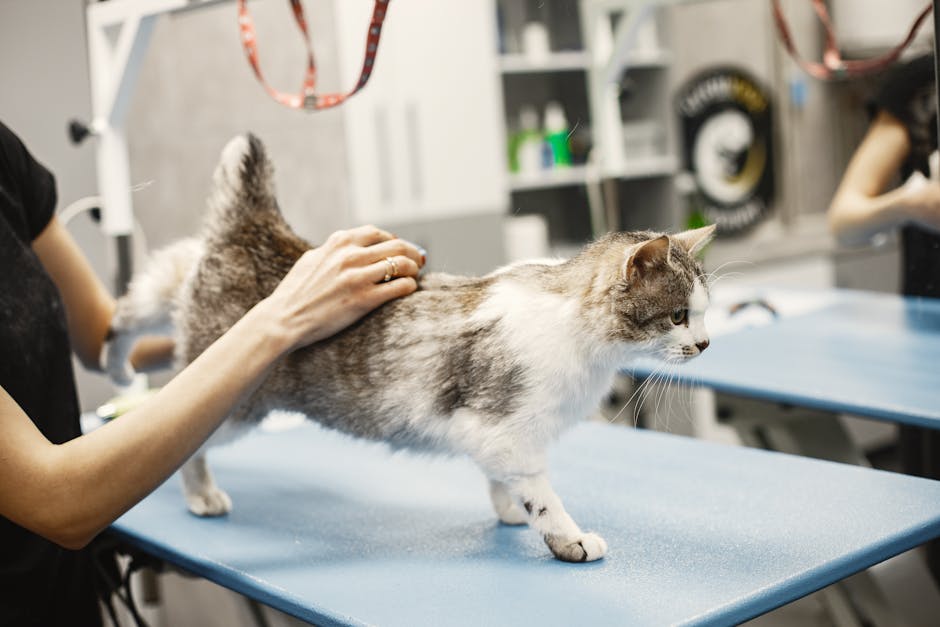
Grooming is perhaps the most demanding aspect of owning a Persian cat. Their long, dense coat matts easily if not brushed daily. Use a stainless-steel comb and a slicker brush to remove loose hair and prevent tangles. Start grooming early in the cat’s life to accustom them to the process. Pay special attention to the armpits, belly, and behind the ears, where mats often form.
Bathing is recommended every 4–6 weeks to keep the coat clean and reduce oil buildup. Use a cat-specific shampoo and condition well. Dry thoroughly with a towel and low-heat blow dryer on a quiet setting to avoid distressing them. Nail trims every two weeks, ear cleaning weekly, and daily eye wiping are also essential – Persian cats often have tear stains due to their flat faces.
- Grooming Checklist:
- Brush coat daily with a slicker brush and comb.
- Bathe every 4–6 weeks.
- Trim nails every 2 weeks.
- Clean eyes and ears weekly.
- Check for skin irritation or parasites regularly.
What Health Issues Are Common in Persian Cats?
While generally healthy, the Persian cat breed is predisposed to several hereditary conditions. The most common is polycystic kidney disease (PKD), a genetic disorder that causes cysts in the kidneys. Responsible breeders screen for PKD, so always request health clearances. Other issues include brachycephalic airway syndrome (due to their flat face), which can cause breathing difficulties, snoring, and heat intolerance. Dental malocclusions and eye problems like cherry eye or entropion (inward rolling of eyelids) also occur.
Additionally, Persians are prone to skin dermatitis from their dense coats if not kept dry and clean. Obesity is another concern – their sedentary lifestyle requires careful calorie control. Regular vet visits, a balanced diet, and awareness of symptoms can mitigate many risks. Lifespan typically ranges from 12–17 years with proper care.
What is the Best Nutrition for Persian Cats?
Nutrition plays a vital role in maintaining a Persian’s health and coat condition. Feed a high-quality, protein-rich diet (30–40% protein from animal sources) with moderate fat. Wet food is often recommended to increase moisture intake and support kidney health, especially given their PKD risk. Choose brands with real meat as the first ingredient and avoid fillers like corn or wheat.
Because of their flat faces, Persians may struggle with dry kibble – consider smaller pieces or kibble designed for brachycephalic breeds. Supplements like omega-3 fatty acids can improve coat shine and reduce inflammation. Always consult your vet before adding supplements. Portion control is crucial: an average adult Persian needs about 250–300 calories per day, split into two meals.
Feeding Tips
Use shallow, wide bowls to prevent whisker fatigue. Avoid plastic bowls which can harbor bacteria and cause chin acne. Offer fresh water daily, and consider a pet fountain to encourage drinking.
How to Train a Persian Cat Breed?
Training a Persian cat requires patience and positive reinforcement. They are intelligent but not particularly motivated to perform tricks – instead, focus on basic manners and environmental cues. Start with litter box training, which is usually instinctual. Use a reward-based system with treats or praise to teach them to use a scratching post or accept grooming.
Clicker training can be effective for simple commands like “sit” or “come” but keep sessions short (3–5 minutes). Persians respond best to gentle voices and calm interactions. Avoid punishment, as it can damage your bond and cause stress. For behavior issues like scratching furniture, redirect to appropriate posts and use double-sided tape or citrus deterrents.
What Products Are Recommended for Persian Cats?
To ensure comfort and health, invest in products tailored to the Persian cat breed’s needs. Here are essentials:
| Category | Recommended Products |
|---|---|
| Grooming | Stainless steel comb, slicker brush, tear stain remover wipes, gentle shampoo |
| Feeding | Shallow ceramic or stainless steel bowls, slow feeder (if needed), cat fountain |
| Comfort | Orthopedic cat bed, heated pad (for older cats), window perch |
| Health | Omega-3 supplements, dental treats, PKD screening kits (breeder should provide) |
| Litter | Unscented clumping litter, large covered box with low entry (for flat-faced cats) |
Conclusion: Is the Persian Cat Breed Right for You?
In summary, the Persian cat breed is a wonderful choice for those seeking a serene, loving companion that doesn’t require high activity levels. However, their grooming needs and health predispositions demand a committed owner willing to invest time and care. If you can provide a calm home, daily brushing, and regular vet visits, a Persian will reward you with years of loyal affection and unmatched elegance. For first-time cat owners, consider whether you can manage the grooming routine – if not, a short-haired breed might be more suitable. Ultimately, the Persian’s gentle nature makes them a cherished addition to the right household.