
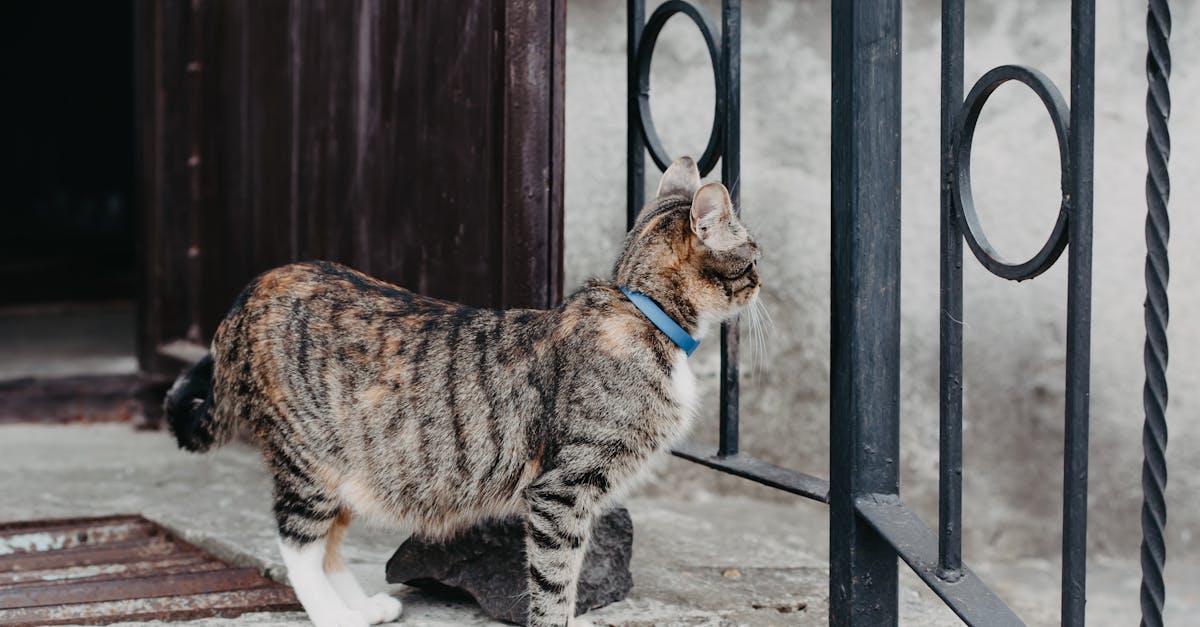
The Manx cat is one of the most recognizable breeds in the world thanks to one striking feature: no tail. Originating from the Isle of Man, these round, stocky cats with their "rabbit hop" gait and dog-like personalities have been charming owners for centuries. But the genetics behind their taillessness carries important health implications.
Breed Overview
| Trait | Details |
|---|---|
| Origin | Isle of Man (British Isles), natural mutation |
| Weight | 8-12 lbs (3.6-5.4 kg) |
| Lifespan | 8-14 years |
| Coat | Short or long (Cymric variant), double coat |
| Distinctive Feature | Absent or shortened tail |
| Activity Level | Moderate -- playful, interactive |
Tail Variations
| Type | Description |
|---|---|
| Rumpy | Completely tailless -- no vertebrae at all (show standard) |
| Rumpy-riser | 1-3 vertebrae, slight bump felt under fur |
| Stumpy | Short stub of tail, may be curved or kinked |
| Longy | Near-normal tail length (not show quality but healthiest) |
The Genetics (Important)
- Taillessness is caused by a dominant gene (M) that affects spinal development
- Manx Syndrome: The same gene can cause severe spinal defects including spina bifida, bowel/bladder dysfunction, and hind-leg problems
- Lethal combination: Two copies of the gene (MM homozygous) is fatal -- embryos die before birth. This is why Manx breeders NEVER breed Manx-to-Manx.
- Responsible breeders cross Manx x tailed cats and screen kittens carefully
- Manx Syndrome symptoms may not appear until 4-6 months of age
Personality
- Dog-like: Come when called, play fetch, loyal to their people
- Rabbit hop: Unique hopping gait due to longer hind legs
- Excellent hunters: Prized mousers historically -- strong prey drive
- Playful: Enjoy interactive games, good with children
- Adaptable: Good with other pets and new environments
- Protective: Some owners report guard-dog-like territorial behavior
Health Considerations
- Manx Syndrome: Spinal defects, bowel/bladder issues (most serious concern)
- Arthritis: Spinal abnormalities can cause early-onset arthritis
- Megacolon: Enlarged colon causing constipation, linked to nerve damage
- Corneal dystrophy: Eye condition in some lines
Frequently Asked Questions
Is it ethical to breed Manx cats?
This is debated. The gene causing taillessness inevitably causes some degree of spinal abnormality in all Manx cats, with a significant percentage developing painful Manx Syndrome. Responsible breeders minimize risk through careful pairing, health screening, and keeping affected kittens. Critics argue the breed standard inherently prioritizes appearance over welfare. If considering a Manx, choose breeders who are transparent about health risks and provide long-term health guarantees.