
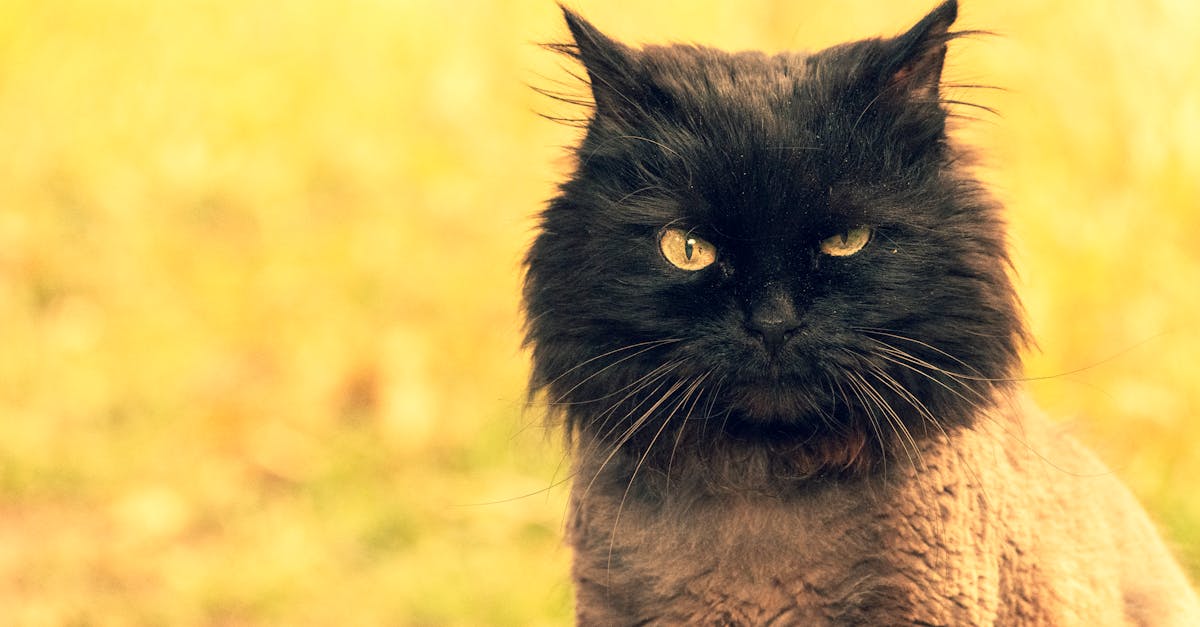
The Lykoi -- Greek for "wolf" -- is one of the newest and most unusual cat breeds. With patchy fur that comes and goes, a wedge-shaped face with no hair around the eyes and muzzle, and an overall appearance that resembles a tiny werewolf, the Lykoi is guaranteed to turn heads and start conversations.
Table of Contents
Breed Overview
| Trait | Details |
|---|---|
| Origin | USA, 2011 (natural mutation in domestic cats) |
| Weight | 6-12 lbs (2.7-5.4 kg) |
| Lifespan | 12-15 years (estimated -- breed is very new) |
| Coat | Partially hairless, roan pattern -- black with interspersed white hairs |
| Distinctive Feature | Hairless face mask, patchy coat that molts seasonally |
| Activity Level | Moderate-high -- playful, curious |
The Werewolf Appearance
- Coat has a unique roan pattern: black hairs interspersed with white, creating a silvery-gray effect
- Face, ears, legs, and feet are often hairless or nearly so
- The coat periodically molts -- some Lykoi go nearly bald then regrow their coat
- Hair follicles lack the components needed to maintain hair, causing the patchy look
- Not related to Sphynx -- completely different genetic mutation
- Skin is pinkish-gray where hairless
Personality
- Friendly and affectionate: Despite the spooky exterior, they are sweet cats
- Dog-like: Follow owners around, play fetch, loyal
- Prey drive: Strong hunting instinct -- will chase toys obsessively
- Social: Good with other cats and gentle dogs
- Intelligent: Problem-solvers, enjoy puzzle toys
- Protective: Some owners report guard-cat behavior with strangers
Care Requirements
- Skin care: Exposed skin needs protection from sun and cold
- Bathing: Regular baths to manage oil buildup on hairless areas
- Temperature: Need warm environment during hairless phases
- Grooming: Gentle handling -- coat is delicate during regrowth
Health Considerations
- Very new breed: Long-term health data is limited
- Skin sensitivity: Hairless areas are vulnerable to sunburn and cold
- Dermatological monitoring: Regular skin checks recommended
- Genetic diversity: Breeders are actively expanding the gene pool using domestic cats
Frequently Asked Questions
Is the Lykoi coat a health problem?
The partial hairlessness is caused by a natural mutation that affects hair follicle development. Extensive veterinary testing during breed development showed no associated pain, discomfort, or systemic health issues. The cats are healthy -- they just look unusual. The coat mutation is different from disease-related hair loss and does not indicate illness. However, the breed is so new (2011) that long-term data is still being collected.