
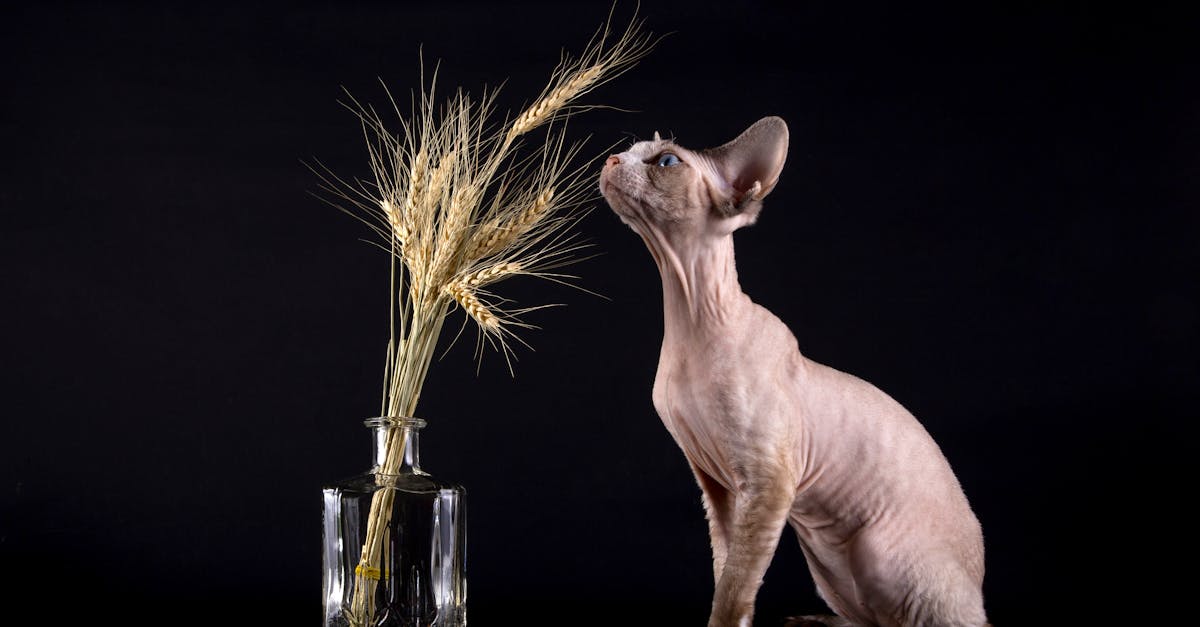
Cat allergies affect approximately 10% of the population -- and for cat lovers with allergies, the search for a "hypoallergenic" breed is a quest of hope and frustration. Here is the honest truth: no cat is truly hypoallergenic. But some breeds produce significantly less of the protein that causes allergic reactions, offering a genuine path to cat companionship for many allergy sufferers.
The Science: What Actually Causes Cat Allergies
- Fel d 1 protein: Produced in cat saliva, skin sebaceous glands, and anal glands
- Cats groom themselves, depositing Fel d 1 on fur
- Fur sheds, carrying allergen into the air and onto surfaces
- The allergen is NOT fur itself -- it is the protein ON the fur
- Hairless cats still produce Fel d 1 (they are NOT automatically hypoallergenic)
- Male cats produce more Fel d 1 than females
- Neutered males produce less than intact males
Breeds with Lower Fel d 1 Production
| Breed | Allergen Level | Evidence Strength |
|---|---|---|
| Siberian | Significantly lower | Multiple studies support |
| Balinese | Lower | Moderate evidence |
| Russian Blue | Lower | Moderate evidence |
| Bengal | Possibly lower | Anecdotal, limited studies |
| Javanese | Lower | Limited evidence |
| Oriental Shorthair | Possibly lower | Anecdotal |
Breeds with Less Allergen Spread
Even if allergen production is normal, less shedding means less allergen in your environment:
- Sphynx: No fur to carry allergen airborne (but skin produces it directly)
- Devon Rex: Sparse coat, less shedding, less allergen spread
- Cornish Rex: Only undercoat, minimal shedding
- Bengal: Short, tight coat that sheds less and grooms less
Realistic Expectations
- 75% of mildly allergic people tolerate Siberians well
- 50% tolerate Russian Blues or Balinese
- Severely allergic people may still react to all cats
- Individual variation within breeds is significant -- one Siberian may be fine while another is not
- Allergen levels change with season, stress, and hormones
Allergy Management Strategies
- HEPA air purifiers: Reduce airborne allergens significantly
- Weekly bathing: Reduces allergen on fur by up to 84% (temporarily)
- Bedroom ban: Keep cats out of the bedroom for allergen-free sleep
- Hand washing: After every petting session
- Purina LiveClear food: Reduces Fel d 1 in saliva by up to 47%
- Allergy immunotherapy: Long-term desensitization through shots or drops
Frequently Asked Questions
Which single breed is best for severe cat allergies?
The Siberian has the strongest evidence for reduced Fel d 1 production. Some breeders test individual cats and can match low-allergen cats with allergic owners. For severe allergies: visit a Siberian breeder, spend 2+ hours in their cattery, then monitor symptoms over the next 48 hours before making any commitment. Even with Siberians, success is not guaranteed for severe allergy sufferers.