
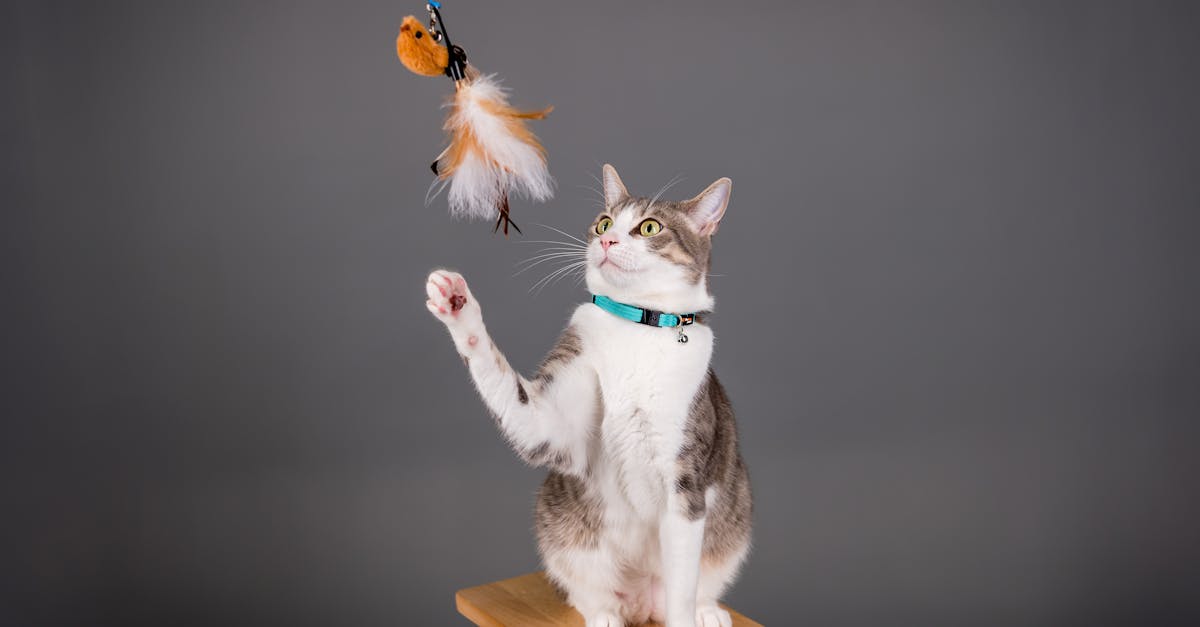
The myth that cats cannot be trained persists because people try to train cats like dogs. Cats absolutely CAN be trained -- they simply require different motivation. Dogs are motivated by pleasing their owner; cats are motivated by "what is in it for me?" Once you understand this, training becomes straightforward.
Why Train Your Cat?
- Mental stimulation: Training is cognitive enrichment that prevents boredom
- Bonding: Positive training sessions strengthen the human-cat relationship
- Practical skills: Coming when called, entering carrier, accepting handling
- Safety: "Leave it" can prevent toxin ingestion; recall can prevent outdoor danger
- Behavior modification: Replace unwanted behaviors with trained alternatives
Clicker Training Basics
- Load the clicker: Click + treat, click + treat (repeat 20 times). Cat learns click = food is coming.
- Capture behavior: Wait for the cat to do something you want, click the instant it happens, then treat.
- Shape behavior: Reward successive approximations toward the final behavior.
- Add the cue: Once the cat reliably performs the behavior, add a verbal cue or hand signal just before they do it.
Easy First Tricks
| Trick | Method | Time to Learn |
|---|---|---|
| Sit | Hold treat above head, cat naturally sits to look up. Click + treat when butt touches ground. | 1-3 sessions |
| High five | Hold treat in closed fist. Cat paws at fist. Click when paw touches hand. | 3-5 sessions |
| Come when called | Say name, shake treat bag, reward when cat comes. Gradually increase distance. | 1-2 weeks |
| Spin | Lure with treat in a circle. Cat follows treat and spins. Click + treat. | 3-7 sessions |
| Target (touch nose to stick) | Present target stick, curiosity makes cat sniff it. Click when nose touches. Treat. | 1-3 sessions |
Training Rules
- Short sessions: 3-5 minutes maximum (cats lose interest quickly)
- End on success: Always end with a successful repetition and reward
- High-value treats: Use something the cat LOVES (freeze-dried chicken, Churu)
- Never punish: Punishment shuts down learning. If the cat is not performing, you are asking too much too fast.
- Cat's choice: If the cat walks away, session is over. Never force.
- Timing: Click at the EXACT moment of the desired behavior (precision matters)
Practical Training Applications
- Carrier training: Make carrier a positive space -- treats inside, meals near/in carrier, carrier always open and accessible
- Medication acceptance: Desensitize to mouth handling, syringe approach, pill pockets
- Nail trimming tolerance: Gradual desensitization with treats at each step
- Recall (come when called): Essential safety skill for indoor-outdoor cats
Frequently Asked Questions
My cat only responds when I have treats visible. Is that okay?
Initially, yes -- treats are the motivation. But you should gradually transition to intermittent reinforcement (rewarding sometimes, not every time) once the behavior is learned. This actually makes the behavior STRONGER (like a slot machine -- unpredictable rewards are more motivating than guaranteed ones). Hide treats in your pocket, reward every 2nd or 3rd successful repetition, then vary the ratio. Eventually, verbal praise or a favorite chin scratch can partially replace food rewards for some behaviors.