
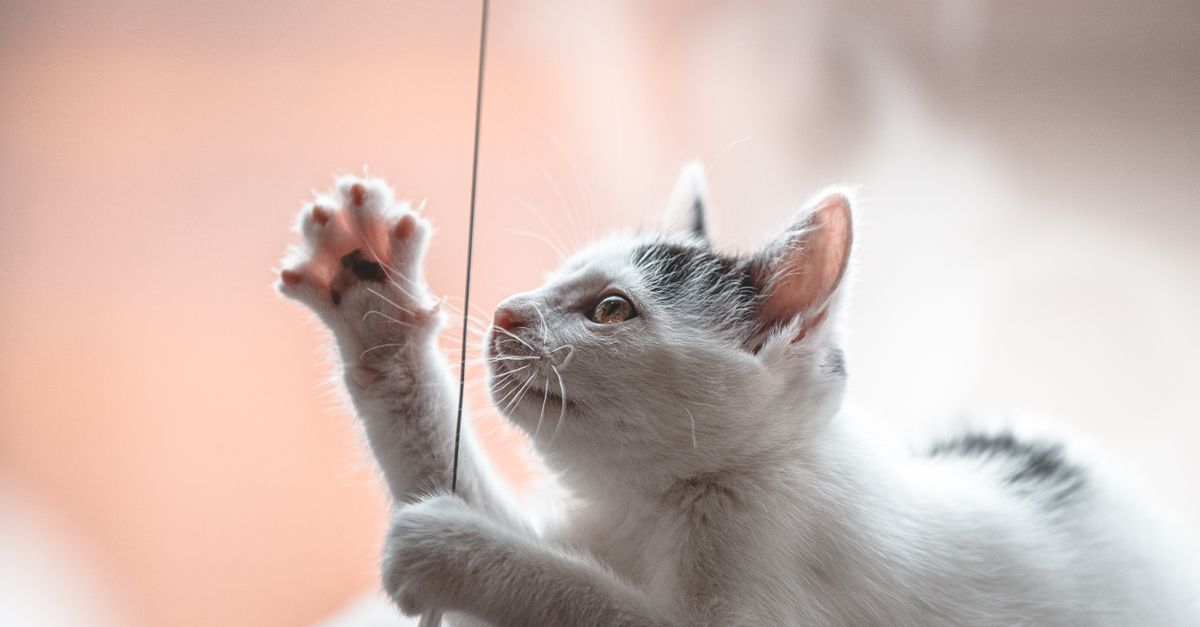
Play is not just fun for cats -- it is a biological necessity. Play mimics hunting, maintains physical fitness, provides mental stimulation, and strengthens social bonds. A cat that does not play is a cat that is either sick, depressed, or not being offered the right kind of play.
Cat Play Styles
| Style | Behavior | Best Toys |
|---|---|---|
| Bird catcher | Leaps into air, swats at flying things | Feather wands, Da Bird, butterfly toys |
| Mouse hunter | Stalks, pounces, grabs ground-level prey | Fur mice, laser pointer (end with tangible catch), crinkle balls |
| Wrestler | Kicks, grabs, bunny-kicks with back legs | Kicker toys, stuffed animals, catnip pillows |
| Chaser | Runs after moving objects at high speed | Ball tracks, motorized toys, fetch toys |
| Fisher | Scoops, paws at objects in water or containers | Floating toys in water bowl, treat puzzles, ball-in-box |
Play Through Life Stages
- Kittens (2-6 months): Everything is play. Extreme energy. Social play with siblings teaches bite inhibition. 3-4 play sessions daily.
- Adolescents (6-18 months): Peak predatory play. Highest energy. Need extensive interactive play to prevent behavior problems.
- Adults (2-10 years): Play needs decrease but never disappear. 2 sessions of 15 minutes daily minimum.
- Seniors (10+): Play slows but remains important for cognitive health. Shorter, gentler sessions. Ground-level toys if arthritis limits jumping.
The Perfect Play Session
- Start slow: Let the cat notice the toy. Slow movements build anticipation.
- Mimic prey: Move AWAY from the cat. Hide behind objects. Freeze, then dart.
- Vary speed: Quick movements trigger chase; slow movements trigger stalk.
- Let the cat catch it: Regular "catches" maintain motivation and prevent frustration.
- Wind down: Slow the toy gradually. Let the cat make a final catch.
- End with food: Complete the hunt-catch-eat-groom-sleep cycle.
Toy Rotation System
- Put out 3-4 toys at a time
- Rotate every 3-5 days (bring out stored toys, put away current ones)
- Novelty resets interest -- a toy the cat has not seen in a week becomes exciting again
- Interactive toys (wand type) should be stored out of reach when not in use (safety + maintains excitement)
Frequently Asked Questions
My adult cat does not seem interested in playing anymore. Is this normal?
No -- a cat that refuses to play is either: 1) Not being offered the right type of play (experiment with different toy styles -- bird vs mouse vs wrestler), 2) Medical issue (pain, illness, depression), 3) Timing is wrong (try dawn or dusk -- natural activity peaks), or 4) Previous play was frustrating (laser-only play without a tangible catch is demotivating). Try different toys, different times, and ensure you are moving the toy AWAY from the cat like real prey. If a cat that previously played well suddenly stops, vet check is warranted.