
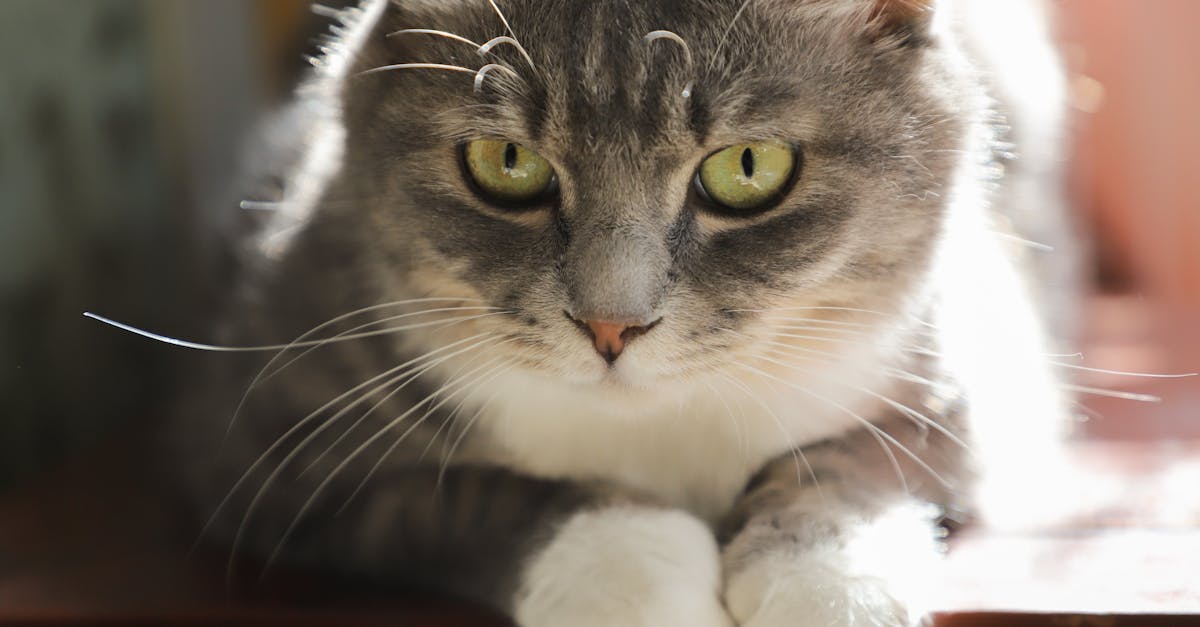
You watch in slow motion as your cat makes eye contact with you, extends a paw, and deliberately pushes your glass of water off the table. This is not random -- it is intentional, and understanding why reveals fascinating aspects of feline cognition and behavior.
Why Cats Push Things Off Surfaces
1. Predatory Investigation
- In the wild, cats bat at unfamiliar objects to test if they are alive, dead, or dangerous
- A quick paw tap determines: Is it prey? Will it move? Is it safe?
- Your cat is applying this instinctive investigation to your water glass, phone, and keys
2. Attention-Seeking (Learned Behavior)
- Cat pushes something off table -> you react (gasp, say "no!", rush to pick it up)
- Cat learns: pushing objects = immediate human attention
- This is reinforcement -- even negative attention is attention
- The more dramatically you react, the more the cat will repeat it
3. Play and Enrichment
- Watching an object fall is stimulating -- gravity physics is entertaining
- The sound of impact provides auditory enrichment
- Under-stimulated cats are more likely to create their own entertainment
4. Paw Sensitivity
- Cat paw pads contain extremely sensitive nerve endings
- Touching and manipulating objects provides rich sensory input
- Batting objects satisfies the same tactile need as kneading
How to Reduce the Behavior
- Do NOT react: No gasping, no "no!", no rushing over. Neutral non-response removes the attention reward.
- Provide alternatives: Batting toys, treat balls, puzzle feeders -- appropriate things to push and bat.
- Increase play: A well-exercised cat is less likely to seek stimulation through destruction.
- Secure valuables: Museum putty for decorative items, move breakables to closed shelves.
- Redirect in the moment: If you see the paw extending, offer a toy instead (without drama).
The Eye Contact Factor
- Many cats make deliberate eye contact with their owner before pushing an object off
- This strongly suggests the behavior is at least partially attention-motivated
- The cat has learned: "When I do this while looking at my human, they respond"
- This demonstrates sophisticated cause-and-effect reasoning and social manipulation
Frequently Asked Questions
Is my cat being spiteful when it knocks my things over?
No -- cats do not experience spite (a complex emotion requiring theory of mind and desire for revenge). What looks like spite is actually: learned behavior (they know this gets your attention), predatory investigation (testing objects), boredom (creating stimulation in a dull environment), or play. The eye-contact-before-push behavior suggests sophisticated social learning -- "I have observed that this action produces a reaction from my human" -- which is impressive cognition, not malice. The solution is the same regardless: more enrichment, less reaction.