
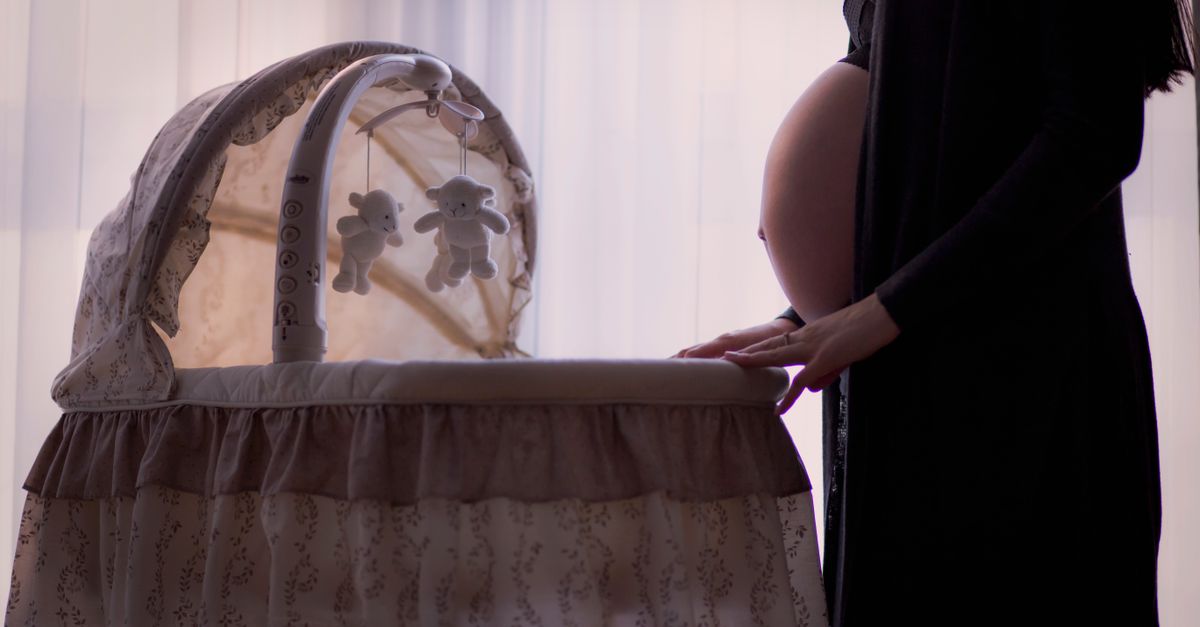
The arrival of a new baby is one of the biggest disruptions a cat can experience -- new sounds, smells, schedule changes, and a dramatic shift in their owner's attention. With proper preparation, most cats adjust well. Without preparation, stress-related behavior problems (spraying, aggression, hiding) are common.
Before Baby Arrives (3-6 Months Before)
- Gradually change the routine: If feeding/play times will change, shift them slowly now
- Set up the nursery early: Let the cat investigate while it is calm and new
- Make nursery decisions: Cat in or out of the nursery? Install screen door if you want visual access without entry.
- Play baby sounds: YouTube videos of crying babies -- start at low volume, increase gradually with treats.
- Introduce baby items: Strollers, swings, carriers -- let the cat sniff and investigate at their own pace.
- Apply baby lotion/powder to yourself: Familiarize the cat with new scents.
- Reduce attention gradually: If you currently give the cat constant attention, slowly create independent time so the change is not abrupt.
Bringing Baby Home
- Have someone bring home a baby blanket or hat from the hospital BEFORE the baby arrives
- Let the cat sniff the item -- associate the scent with treats
- When baby arrives, greet the cat calmly without the baby first
- Allow the cat to approach the baby at their own pace -- never force interaction
- Maintain as much of the cat's normal routine as possible
- Give the cat attention and play when the baby is sleeping -- prevent attention deficit
Safety Rules
- Never leave cat and baby unsupervised together (regardless of how gentle the cat is)
- Keep cat out of crib/bassinet: Risk of suffocation (not intentional -- cats seek warm, soft spaces)
- Close nursery door or use screen door during sleep
- Keep litter box away from crawling baby areas
- Trim cat's nails regularly
- Teach children (as they grow) to respect the cat's boundaries
Signs of Cat Stress After Baby
- Hiding more than usual
- Inappropriate elimination (peeing outside litter box)
- Excessive grooming
- Aggression (hissing at or near the baby)
- Appetite changes
- Spraying
Solutions for Stressed Cats
- Maintain routine: Feed at the same times, keep litter box clean, give daily play time
- Safe spaces: Provide high perches and hiding spots the baby cannot reach
- Positive association: Give treats and attention NEAR the baby (baby = good things happen)
- Feliway: Diffuser in the cat's primary living area
- Do not neglect the cat: Even 10 minutes of dedicated play daily prevents most problems
Frequently Asked Questions
Should I rehome my cat before the baby comes?
Almost never necessary. The vast majority of cats adjust well to babies with proper preparation. Rehoming should only be considered if: the cat has a documented history of unprovoked aggression toward humans (not normal play aggression or fear response), or the cat has severe, unmanageable behavioral issues that compromise safety. A gentle, friendly cat that has never shown aggression has virtually zero risk of harming a baby -- the risk is no greater than having any pet. Preparation and supervision are the keys, not removal.