
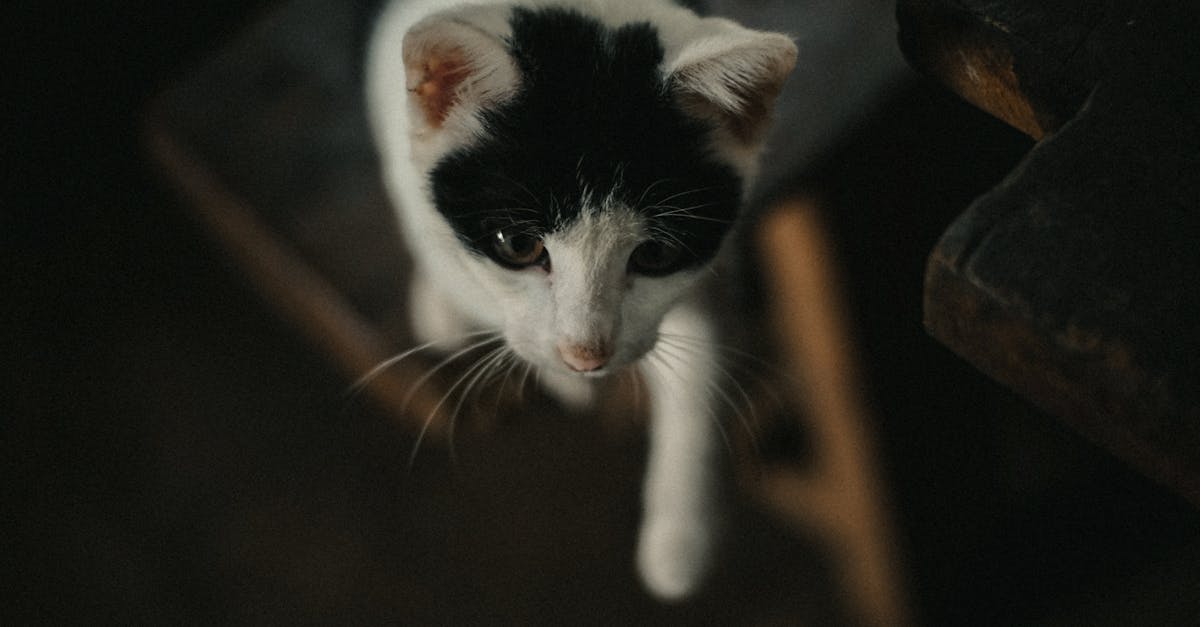
The image of a cat recoiling from a splash is universal -- but WHY do cats hate water when their wild ancestors (African wildcats) lived near water sources? The answer involves evolution, sensory overload, and practical coat physics.
Why Cats Dislike Water
1. Evolutionary Explanation
- Domestic cats descend from African wildcats (Felis lybica) -- desert-dwelling animals
- Their evolutionary environment had limited standing water
- Unlike big cats (tigers, jaguars) who evolved near rivers, domestic cat ancestors had no reason to develop water affinity
- No evolutionary advantage to swimming = no inherited comfort with water
2. Coat Physics
- Cat fur is not waterproof -- it absorbs water and becomes extremely heavy
- A wet coat is cold, heavy, and impairs mobility (dangerous for a prey animal that relies on speed)
- Drying takes hours -- during which the cat is vulnerable and uncomfortable
- Water-loving breeds (Turkish Van, Bengal) have more water-resistant coats
3. Sensory Overload
- Cats are highly sensitive to touch -- wet fur triggers overwhelming tactile input
- Water changes scent profile -- wet cat smells different, which is disorienting
- Sound of running water can be startling
- Loss of traction on wet surfaces = loss of control (cats hate losing control)
Breeds That Like Water
| Breed | Water Behavior | Why |
|---|---|---|
| Turkish Van | Swims, plays in water, seeks puddles | Evolved near Lake Van -- water-resistant coat, "swimming cat" |
| Bengal | Plays with running water, may join you in shower | Asian Leopard Cat ancestry (jungle river habitat) |
| Maine Coon | Fascinated by water, may scoop and splash | Water-resistant double coat, possible ship cat history |
| Savannah | May play in water | Serval ancestry (hunts in wetlands) |
| Abyssinian | Curious about water, may watch faucets intently | Unknown -- individual curiosity |
Cat-Water Curiosities
- Running water fascination: Many cats prefer drinking from faucets/fountains. Moving water is perceived as fresher (instinct -- still water in nature can be stagnant/unsafe).
- Paw dipping: Cats often test water with a paw first -- gathering information about temperature, depth, and movement before committing.
- Knocking water bowls: Playing with the water surface (light reflections, movement) or testing depth (whisker fatigue from narrow bowls).
Frequently Asked Questions
Should I ever bathe my cat?
Most cats never need bathing -- they are self-cleaning machines. Exceptions: 1) Got into something toxic or very dirty (motor oil, paint, skunk), 2) Medical skin conditions requiring medicated shampoo, 3) Sphynx cats (weekly baths needed due to oil buildup without fur), 4) Obese or arthritic cats who cannot groom themselves, 5) Severe flea infestation (initial bath to remove fleas before topical prevention). If you must bathe, use lukewarm water, cat-specific shampoo, gentle handling, and dry thoroughly. Most cats tolerate it better than expected if handled calmly.