
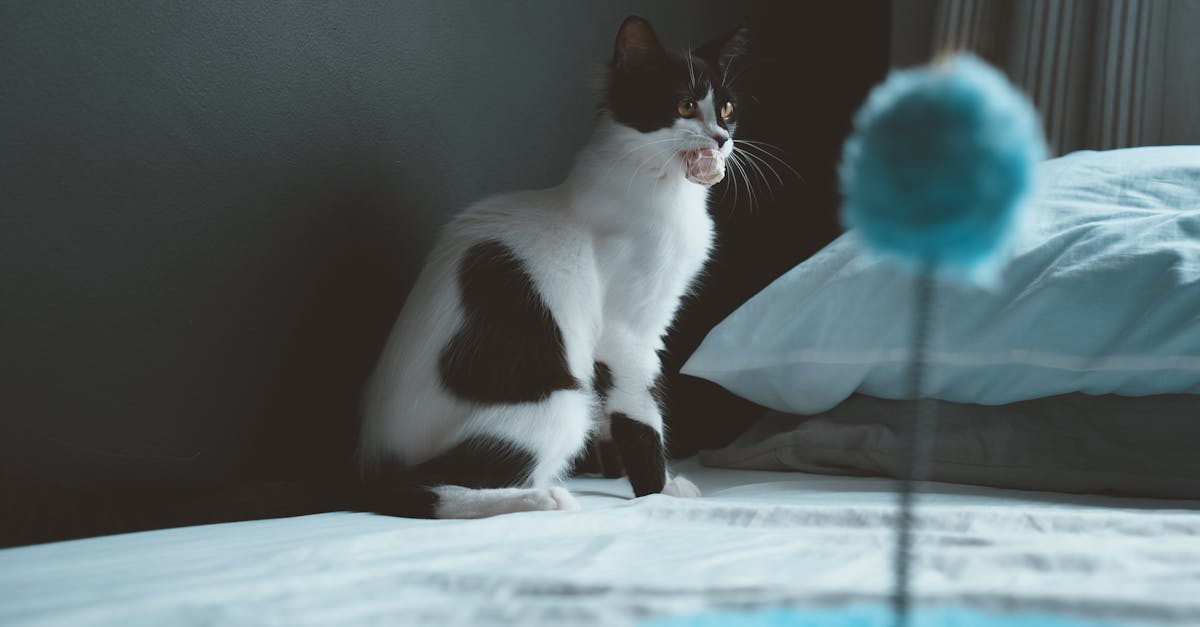
Indoor cats live longer, safer lives -- but they pay a psychological cost. Without enrichment, an indoor cat lives in a world with nothing to hunt, nothing to explore, and nothing that changes. The result: obesity, over-grooming, aggression, destructive behavior, and depression. Environmental enrichment is not optional -- it is essential for feline welfare.
The Five Pillars of Feline Enrichment
| Pillar | What It Provides | Examples |
|---|---|---|
| Vertical space | Territory expansion, security, exercise | Cat trees, wall shelves, window perches, cat highways |
| Hunting simulation | Predatory fulfillment, exercise, mental stimulation | Wand toys, puzzle feeders, rotating toy mice |
| Novelty | Mental stimulation, exploration drive | Rotate toys weekly, cardboard boxes, paper bags, new scents |
| Hiding spots | Security, stress reduction, choice | Covered beds, boxes, tunnels, cat caves |
| Social interaction | Bonding, mental stimulation, play | Daily interactive play, training sessions, grooming |
Hunting and Feeding Enrichment
- Puzzle feeders: Doc and Phoebe Indoor Hunting Feeder, Catit Senses Food Tree, DIY egg carton puzzle
- Food hunting: Hide small portions of food around the house for the cat to "find"
- Treat balls: Food dispensed through play and manipulation
- No more free-feeding from a bowl: Make every meal an enrichment opportunity
Environmental Design
- Window perches: Bird feeders outside the window = "Cat TV"
- Cat highways: Connected wall shelves creating elevated pathways around rooms
- Catios: Enclosed outdoor spaces allowing safe outdoor access
- Tunnels: Crinkle tunnels provide hiding, play, and zoomie pathways
- Cardboard boxes: Free, endlessly entertaining, rotatable
Interactive Play Guidelines
- Minimum: 15-20 minutes of interactive play daily (2 sessions ideal)
- Best toys: Wand/fishing rod toys that mimic prey movement
- Mimic prey: Move AWAY from the cat, hide behind furniture, flutter unpredictably
- End with a catch: Let the cat "win" to complete the hunting cycle and prevent frustration
- Follow with food: Hunt-catch-eat-groom-sleep (the natural cycle)
Signs Your Cat Needs More Enrichment
- Excessive sleeping (beyond normal 12-16 hours)
- Over-grooming or self-mutilation
- Obesity (eating from boredom)
- Aggression toward people or other cats
- Destructive scratching of furniture
- Attention-seeking behavior (excessive meowing)
- Withdrawn, depressed demeanor
Frequently Asked Questions
Is one cat enough companionship or does my indoor cat need a friend?
It depends entirely on the individual cat. Some cats thrive as the sole pet (especially cats adopted as adults who have lived alone). Others genuinely benefit from a feline companion (especially young, energetic cats). Adding a second cat for enrichment only works if: the first cat has a history of being social with other cats, proper slow introduction is done, and adequate resources (territory, litter boxes, food) are provided for both. A poorly matched pair creates more stress than companionship. When in doubt, enrichment through environmental design and human interaction is lower-risk than adding another cat.