
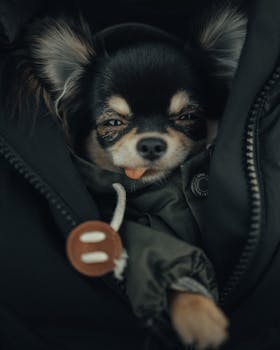
Winter weather can be tough on your dog, from icy winds to drying indoor heat. However, proper winter coat care ensures your furry friend stays comfortable, healthy, and protected all season long. Without the right grooming routine, a dog's natural insulation can become matted, dirty, or even damaged. In this comprehensive guide, we’ll walk you through essential steps—brushing, bathing, protective gear, and more—to keep that magnificent winter coat in top condition. Whether you have a double-coated Husky or a single-coated Dachshund, these actionable tips will help you navigate the cold months with confidence.
Understanding Your Dog's Winter Coat
Before diving into care routines, it’s crucial to recognize the type of coat your dog has. Most cold-weather breeds—like Siberian Huskies, Golden Retrievers, and Bernese Mountain Dogs—sport a double coat: a dense, soft undercoat for insulation and a longer, coarser topcoat that repels water and snow. Single-coated breeds (e.g., Poodles, Boxers) lack that insulative underlayer. Additionally, some dogs have a combination coat. Understanding this difference directly impacts your grooming frequency and product choices. For instance, double coats require thorough line combing to remove dead undercoat, while single coats need gentle brushing to avoid skin irritation. Furthermore, a dog’s coat changes with seasonal shedding; winter coats are thicker, so proper care prevents tangles and hot spots.
Essential Brushing Techniques for Winter
Regular brushing is the cornerstone of winter coat care. It distributes natural oils, removes dirt and dander, and prevents mats that trap moisture and cause skin infections. However, harsh winter conditions call for a few adjustments. Start by using the right tools: a slicker brush for topcoat, an undercoat rake for double coats, and a de-shedding tool for heavy shedders. Brush in the direction of hair growth, working in sections to ensure you reach the skin. Avoid over-brushing, which can irritate dry winter skin. Aim for at least 3–4 times per week for double-coated dogs, and 1–2 times for single-coated dogs. Below is a quick checklist:
- Use a stainless steel undercoat rake for thick, dense coats.
- For sensitive skin, opt for a soft bristle brush to finish.
- Always brush before a bath to remove loose hair and prevent matting.
Additionally, pay extra attention to areas prone to matting: behind the ears, under the collar, and the flanks. If you encounter a tangle, gently work it out with a detangling spray—never yank. Regular brushing also stimulates blood flow, which helps maintain a healthy winter coat.
Bathing and Drying Best Practices in Cold Months
Bathing a dog in winter requires caution. While dogs still need occasional cleaning, overwashing strips natural oils that protect against cold and dryness. Limit baths to once every 4–6 weeks unless your dog gets exceptionally dirty. Use a moisturizing, oatmeal-based shampoo to soothe irritated skin. Rinse thoroughly, as residue can cause itching. Moreover, drying is just as critical: a damp coat in cold air can lead to hypothermia. Towel-dry your dog first, then use a professional pet dryer on a low, warm setting—never high heat. Brush while drying to separate hair and speed up the process. For double-coated breeds, ensure the undercoat is completely dry to avoid skin infections. If your dog tolerates it, a quick blow-dry with the fur directed away from the skin works wonders.
The Dangers of Shaving a Winter Coat
One of the most common winter coat care myths is that shaving a double-coated dog keeps them cooler or cleaner. This is factually incorrect—and potentially harmful. A double coat is engineered for insulation, acting as a natural thermostat. Shaving it removes the undercoat’s ability to trap warm air and the topcoat’s water resistance. Furthermore, shaving can damage the coat’s growth pattern, leading to uneven regrowth or even permanent bald patches. Many dogs also develop “coat funk,” a condition where the guard hairs grow back softer and curl, making them prone to matting. Instead of shaving, focus on thorough brushing to remove dead undercoat. If your dog is matted, carefully clip out the mats using scissors with rounded tips or seek a professional groomer. For single-coated breeds, trimming overgrown hair is fine, but never shave to the skin during winter.
Protective Gear: When and How to Use Dog Coats and Booties
Not every dog needs a sweater, but many benefit from extra protection in extreme cold. Small breeds, short-haired dogs, seniors, and those with medical conditions lose body heat quickly. A well-fitted dog coat or jacket adds a layer of warmth without restricting movement. Look for waterproof or windproof materials with a fleece lining. Additionally, booties protect paws from ice, salt, and chemical de-icers. Introduce booties gradually at home so your dog gets used to them. Choose breathable, non-slip sole styles. Signs that your dog needs protective gear include shivering, lifting paws, reluctance to walk, or curling up in a ball. However, avoid over-dressing—dogs can overheat even in cold weather if the gear is too heavy.
Nutritional Support for a Healthy Winter Coat
What goes inside reflects outside. A diet rich in omega-3 and omega-6 fatty acids promotes a glossy, resilient winter coat and reduces flaky skin. Sources include fish oil, flaxseed oil, and specially formulated dog foods for skin and coat health. Additionally, consider supplements like vitamin E or biotin, but only after consulting your veterinarian. Hydration is equally important; indoor heating can dry out skin, so ensure fresh water is always available. Furthermore, adding warm, low-sodium broth to meals can encourage water intake. Balanced nutrition helps the coat grow denser and more resistant to breakage, making winter coat care easier. For dogs with allergies, switch to a limited-ingredient diet to avoid inflammatory reactions that worsen coat condition.
Paw Care and Interdigital Hygiene
Paws are often overlooked in winter coat care, but they’re direct contact points with cold, salt, and ice. After every walk, wipe your dog’s paws with a warm, damp cloth to remove salt and debris. Inspect between the toes for foreign objects or cuts. Apply a pet-safe paw balm or petroleum jelly to pads to prevent cracking. For dogs that grow excessive hair between their toes (e.g., Golden Retrievers, Poodles), carefully trim the fur to reduce ice ball accumulation. Additionally, if your dog walks on salted sidewalks, consider using paw wax as a barrier. Never use human products like salt or antifreeze cleaners on your dog’s paws. Make paw care a daily ritual after walks, and monitor for redness, swelling, or limping—all signs of frostbite or chemical irritation.
Conclusion
Winter coat care for dogs isn’t just about looks—it’s about comfort, health, and safety. By understanding your dog’s coat type, establishing a consistent brushing routine, bathing sparingly, avoiding shaving, using protective gear when needed, and supporting nutrition, you can ensure your canine companion thrives through the cold months. Remember that every dog is different; pay close attention to their cues and adjust your grooming schedule accordingly. A well-maintained winter coat is your dog’s first line of defense against winter’s worst. Start implementing these tips today, and you’ll both enjoy a warmer, happier season together.