
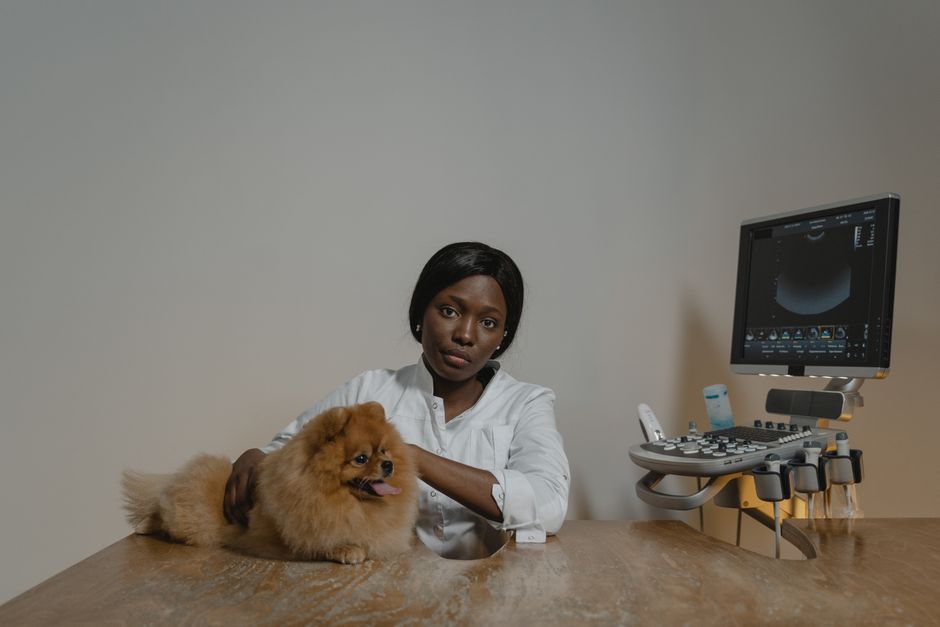
Your pet's health is your top priority, but what if you're not entirely comfortable with a diagnosis or treatment plan? Knowing when to seek a second veterinary opinion can be a life-changing decision for your furry friend. Whether it's a complex surgery, a chronic condition, or simply a gut feeling that something isn't right, getting another perspective can provide peace of mind and potentially save your pet from unnecessary procedures. In this comprehensive guide, we'll explore exactly when and how to pursue a second veterinary opinion, ensuring your pet receives the best care possible.

What Is a Second Veterinary Opinion and Why Might You Need One?
A second veterinary opinion involves consulting a different veterinarian—often a specialist—to review your pet's medical history, current diagnosis, and proposed treatment plan. The goal is not to undermine your primary vet but to ensure accuracy and explore alternative options. You might need one if you face a major medical decision, such as cancer treatment, orthopedic surgery, or a chronic disease management plan. Additionally, second opinions help confirm complex diagnoses, uncover missed conditions, or provide access to advanced treatments. Moreover, they empower you as a pet owner to make informed choices, reducing the risk of medical errors. For instance, a second opinion could reveal that a recommended amputation for a limping dog might be avoided with joint preservation surgery instead.
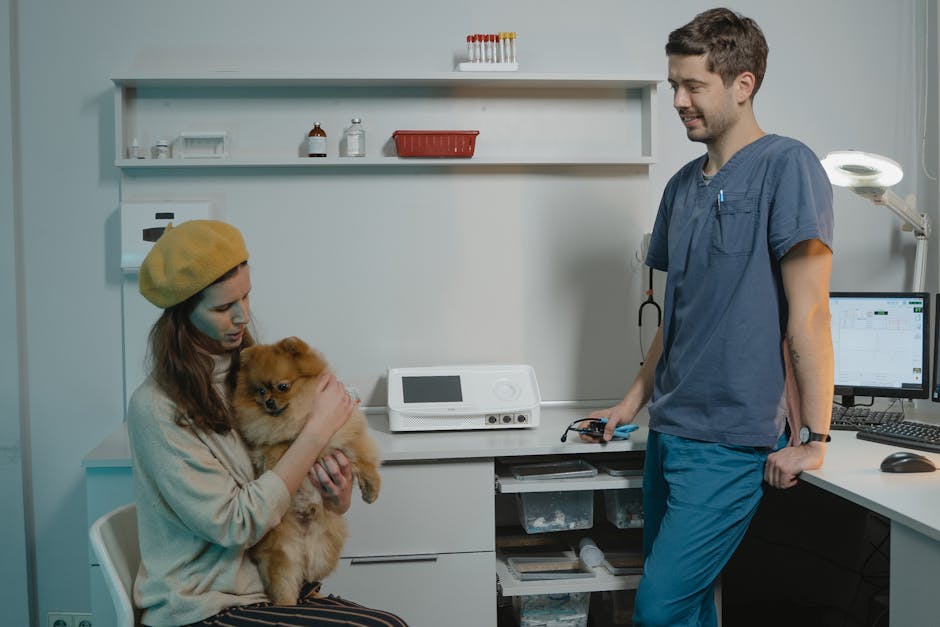
When Should You Consider a Second Opinion for Your Pet?
There are several clear scenarios that warrant seeking a second veterinary opinion. First, if your primary vet recommends a high-risk or expensive procedure, such as spinal surgery or organ transplant, it's wise to get another expert's assessment. Second, when your pet isn't responding to treatment as expected—for example, if a skin condition persists despite prescribed medications—a second opinion might uncover an underlying allergy or autoimmune disorder. Third, if you receive a life-threatening diagnosis like cancer, confirming the type, stage, and treatment options with an oncologist can significantly impact outcomes. Furthermore, consider a second opinion if you feel your vet dismisses your concerns or lacks specialization in a specific area. Finally, trust your intuition: if something feels off, it's always acceptable to seek another viewpoint. Below are some key indicators:
- Diagnosis is uncertain or based solely on initial symptoms
- Treatments have failed to produce improvement after a reasonable period
- You are asked to make a quick decision about a major procedure
- Your pet has a rare or unusual condition
- Communication with your current vet is difficult or unhelpful
What Are the Signs That Your Pet's Diagnosis May Need Review?
Recognizing red flags can prompt you to seek a second opinion. Signs include persistent or worsening symptoms despite following treatment, conflicting test results, or a diagnosis that doesn't match your pet's history. For example, if a dog with intermittent vomiting is diagnosed with simple gastritis but continues to vomit after medication, further investigation might reveal pancreatitis, kidney disease, or even a foreign body. Additionally, look for when your veterinarian seems uncertain or uses overly vague language. Another sign is when the proposed treatment is aggressive without sufficient evidence—such as recommending chemotherapy for a lump diagnosed only by fine-needle aspirate rather than a biopsy. More warning signs:
- Your pet experiences severe side effects from prescribed drugs
- Multiple conditions are present, making diagnosis complex
- You are told nothing more can be done for a chronic condition
- Test results are contradictory or lack full explanation
How Can a Second Opinion Impact Your Pet's Treatment Plan?
A second veterinary opinion can dramatically alter your pet's treatment pathway, often for the better. It may confirm the original plan, giving you confidence to proceed, or it could introduce new options such as less invasive procedures, alternative medications, or complementary therapies like physical therapy or acupuncture. For instance, a cat with chronic kidney disease might be prescribed a standard diet and fluids by one vet, while a second opinion from a holistic practitioner could recommend nutritional supplements and herbal support alongside conventional care. Moreover, a second opinion can catch misdiagnoses—a common scenario is mistaking arthritis for a cruciate ligament tear, leading to unnecessary surgery. Ultimately, this process enhances the quality of care and can extend your pet's life or improve their comfort. However, be aware that conflicting opinions may create confusion; in such cases, seeking a third opinion or consulting a board-certified specialist is advisable.
What Steps Should You Take to Get a Second Veterinary Opinion?
Obtaining a second opinion is straightforward if you follow these steps. First, request copies of your pet's complete medical records, including lab results, imaging, and vaccination history. You have the legal right to these documents. Next, research specialists or practices with expertise in your pet's condition—for example, a veterinary oncologist for cancer or a dermatologist for skin issues. Use online directories or ask your primary vet for referrals (though you can also seek opinions independently). Then, schedule a consultation and provide the new vet with all records beforehand. Be transparent about why you're seeking a second opinion; vets are generally professional and understand. Finally, after the consultation, compare the recommendations with the original plan and make a decision with your primary vet's input. To streamline the process, here is a numbered checklist:
- Gather all medical records (paper or digital).
- Identify a specialist or a second general practice vet.
- Call to ensure they accept new cases and can review your pet's history.
- Send records ahead of time for efficient review.
- Attend consultation and ask concise questions.
- Review both opinions and decide on a course of action.
Are There Risks to Seeking a Second Vet Opinion?
While generally beneficial, seeking a second veterinary opinion carries minimal risks when done thoughtfully. One potential drawback is delaying treatment if the condition is time-sensitive, such as a rapidly growing tumor or a poisoning case. However, prompt scheduling can mitigate this. Another risk is conflicting advice from different vets, which may leave you confused. In such cases, it's wise to seek a third opinion or request a joint consultation. Furthermore, some pet owners worry about offending their primary veterinarian, but reputable vets welcome second opinions and view them as part of collaborative care. A final consideration is cost; consultations from specialists can be expensive, but many owners find the investment worthwhile for peace of mind. Therefore, weigh the urgency and severity of your pet's condition before deciding.
Conclusion
Seeking a second veterinary opinion is a powerful tool in your pet care arsenal. It can validate a treatment plan, uncover new options, or prevent unnecessary procedures. Remember that your pet's well-being comes first, and there is no shame in asking for another perspective. By understanding when to seek one and how to approach the process, you become an empowered advocate for your furry companion. If you ever feel uncertain about a diagnosis or recommendation, trust your instincts and don't hesitate to get that second opinion—it might just save your pet's life.