

What Is a Veterinary Dermatologist?
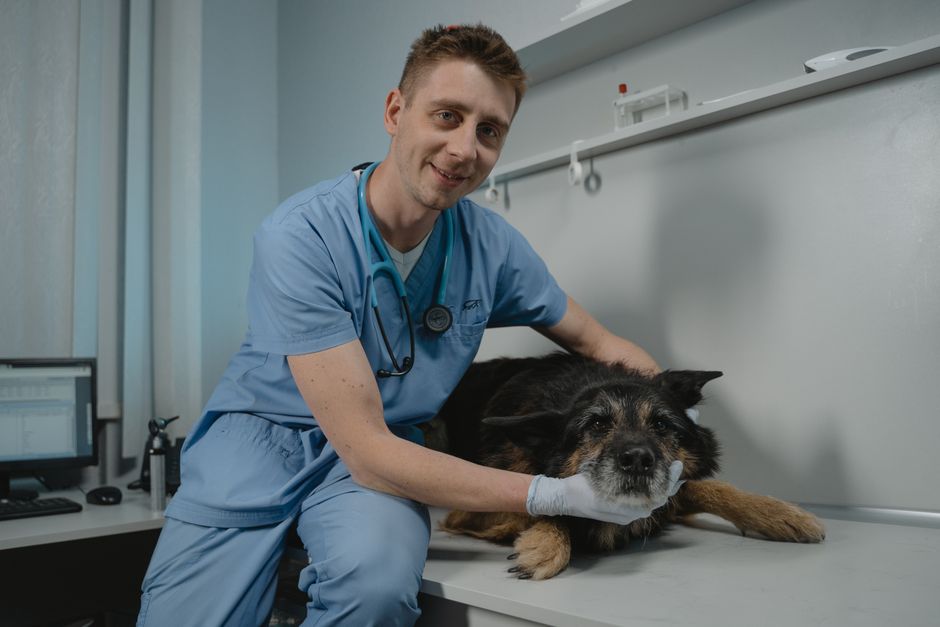
If your pet is constantly scratching, losing hair, or developing red, inflamed skin, you may be dealing with more than a simple allergy. A veterinary dermatologist is a specialist who has completed advanced training in diagnosing and treating skin, ear, and nail disorders in animals. These professionals undergo years of extra education beyond veterinary school, often becoming board-certified by the American College of Veterinary Dermatology. While your general veterinarian can manage many common skin issues, a veterinary dermatologist brings deep expertise and access to specialized diagnostic tools such as skin biopsies, allergy testing, and advanced imaging. When should you schedule that referral? Let’s explore the signs, conditions, and benefits of seeing a skin specialist for your furry friend.
When Should You Consider Seeing a Veterinary Dermatologist?
Knowing the right time to seek a specialist can save your pet months of discomfort. Here are key indicators that it’s time to consult a veterinary dermatologist:
- Persistent itching or scratching that doesn’t improve with over-the-counter or prescribed treatments
- Recurrent ear infections (otitis) that keep coming back despite proper care
- Chronic hair loss or bald patches, especially if accompanied by redness or crusting
- Licking or chewing at paws, legs, or tail to the point of causing sores
- Unexplained lumps, bumps, or skin masses that grow or change appearance
- Persistent odor from the skin or ears, indicating infection
- No improvement after several rounds of antibiotics, antifungals, or medicated shampoos
Additionally, if your regular vet has ruled out common causes but symptoms persist, a dermatologist can perform advanced tests like intradermal allergy tests, blood allergy panels, or skin cytology to pinpoint the underlying trigger. Moreover, early intervention by a specialist can prevent secondary infections and improve your pet’s quality of life.
What Skin Conditions Do Veterinary Dermatologists Treat?
Veterinary dermatologists handle a wide range of conditions that affect a pet’s skin, ears, and nails. Some of the most common include:
Allergic Dermatitis
This includes atopic dermatitis (environmental allergies), food allergies, and flea allergy dermatitis. Animals with allergies often show signs like intense itching, red skin, and recurrent ear infections. A dermatologist can identify the specific allergens and create a tailored management plan.
Infections
Bacterial (pyoderma), fungal (ringworm), and yeast (Malassezia) infections are common and can be stubborn. Specialized cultures and sensitivity tests help choose the most effective medications.
Autoimmune Skin Diseases
Conditions like pemphigus foliaceus and lupus cause the immune system to attack the skin, leading to blisters, ulcers, and crusting. A dermatologist is essential for diagnosis through biopsy and for monitoring aggressive immunosuppressive therapy.
Hormonal Skin Disorders
Hypothyroidism and Cushing’s disease often manifest as hair loss, thin skin, and recurring infections. While these are endocrine issues, a dermatologist works alongside your vet to treat the skin symptoms.
Parasitic Infestations
Demodicosis (demodex mites), scabies, and Cheyletiella can be challenging to diagnose and treat. Specialized skin scrapings and tests ensure accurate identification.
Ear Diseases
Chronic or severe ear infections, polyps, and ear canal tumors are often best managed by a dermatologist. They can perform ear cytology, cultures, and even surgery if needed.
How Is a Veterinary Dermatologist Different From a Regular Vet?
While your general veterinarian is well-equipped to handle common skin issues, a veterinary dermatologist offers several distinct advantages:
- Advanced training: After vet school, they complete a 3-4 year residency in dermatology, followed by board certification exams.
- Specialized diagnostics: They routinely perform skin biopsies, allergy testing (intradermal and serum), patch testing, and advanced imaging like CT scans for deep ear diseases.
- Access to cutting-edge treatments: Including immunotherapy (allergy shots or oral drops), monoclonal antibody therapies (e.g., Cytopoint for pruritus), and innovative topical medications.
- Holistic approach: They consider underlying causes such as genetics, diet, environment, and immune system dysfunction rather than just treating symptoms.
Furthermore, a dermatologist can manage complicated cases that fail to respond to standard treatments, reducing the time and frustration for both you and your pet.
What Can You Expect During a Visit to a Veterinary Dermatologist?
A consultation typically lasts 45 minutes to an hour and involves a thorough history and physical exam. Here’s what usually happens:
- Detailed history: You’ll be asked about onset, progression, previous treatments, diet, environment, and family history.
- Complete skin and ear exam: The dermatologist will inspect every inch of your pet’s skin, ears, and nails, often using a magnifying lens or otoscope.
- Diagnostic tests: These may include skin scrapings, cytology (tape strips or swabs), hair pluckings, cultures, and blood work. If needed, a skin biopsy is performed under local or general anesthesia.
- Allergy testing: Intradermal testing (injecting small amounts of allergens under the skin) or blood allergy panels help identify triggers.
- Prescription plan: You’ll receive a tailored treatment plan, which may include medicated baths, oral medications, dietary changes, or immunotherapy.
- Follow-up: Many conditions require periodic rechecks to adjust treatment and monitor progress.
However, be prepared that some diagnostic tests (like allergy tests or biopsies) may need to be performed under sedation, especially if your pet is anxious or painful.
How Can a Veterinary Dermatologist Help With Pet Allergies?
Allergies are one of the most frequent reasons for a dermatology referral. A veterinary dermatologist can differentiate between food allergies, environmental allergies, and flea allergies using a systematic approach. For food allergies, they often recommend a strict elimination diet lasting 8–12 weeks, followed by challenge tests. For environmental allergies, they can create a customized immunotherapy regimen (allergy shots or oral drops) that gradually desensitizes your pet’s immune system. Additionally, they may prescribe newer medications like oral JAK inhibitors (Apoquel) or injectable monoclonal antibodies (Cytopoint) to control itching without the side effects of steroids. Moreover, they can teach you how to manage your pet’s environment—such as using HEPA filters, washing bedding frequently, and avoiding certain plants or pollen-heavy seasons. This comprehensive approach helps many pets achieve long-term relief with fewer medications.
Conclusion
Knowing when to see a veterinary dermatologist can make a world of difference for a pet suffering from chronic skin or ear issues. If your general veterinarian has tried several treatments without lasting success, or if your pet’s symptoms are severe, a board-certified specialist can provide advanced diagnostics and personalized care. The investment in a specialist often leads to faster relief, fewer side effects, and a happier, healthier pet. Don’t let your pet suffer—ask your vet for a referral to a veterinary dermatologist today.