


What Is Laser Therapy for Dogs and How Does It Work?
Laser therapy for dogs has become a cornerstone of modern veterinary medicine, offering a non-invasive, drug-free way to manage pain and accelerate recovery. But what exactly is it? Also known as cold laser therapy or photobiomodulation, this treatment uses specific wavelengths of light to penetrate tissues and stimulate cellular repair. The primary keyword—laser therapy for dogs—is central to understanding how this technology targets inflammation, reduces pain, and promotes healing. Whether your canine companion is recovering from surgery, battling arthritis, or dealing with an acute injury, laser therapy provides a gentle yet powerful solution. Unlike surgical lasers that cut or cauterize, therapeutic lasers deliver energy that is absorbed by mitochondria, triggering a cascade of biological benefits. This process enhances blood flow, releases endorphins, and reduces nerve sensitivity, making it a versatile tool for veterinarians. Furthermore, it’s completely painless and often described as a warm, soothing sensation by patients. In this guide, we’ll explore the many uses, benefits, and considerations of laser therapy for dogs, so you can make informed decisions for your pet’s health.
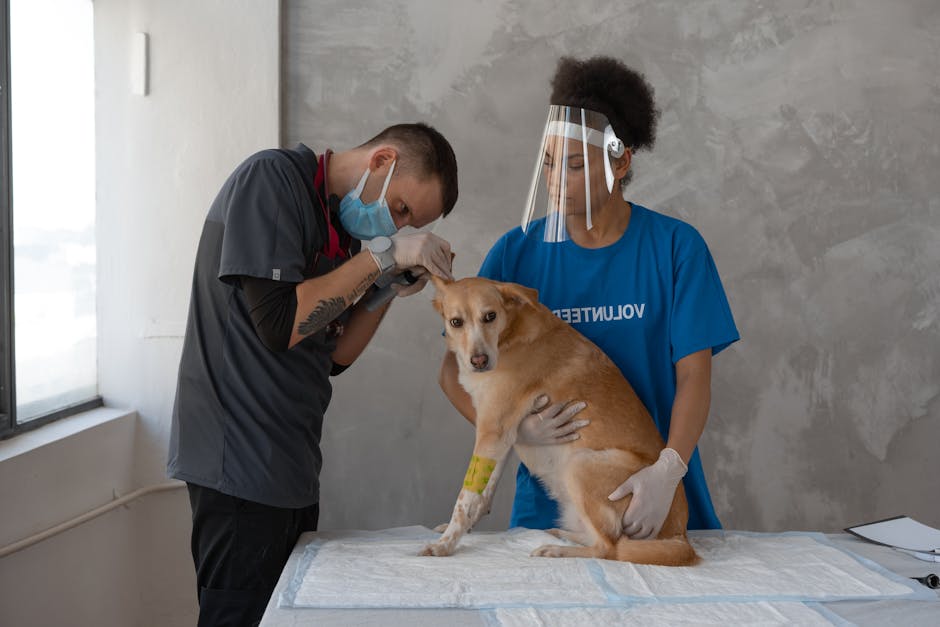
What Conditions Can Laser Therapy Treat in Dogs?
Laser therapy for dogs is remarkably versatile, addressing a wide range of acute and chronic conditions. One of the most common applications is osteoarthritis—a degenerative joint disease that affects countless senior dogs. The anti-inflammatory effects of laser therapy can reduce joint swelling and stiffness, improving mobility and quality of life. Additionally, it is highly effective for post-surgical recovery, helping incisions heal faster and minimizing pain after procedures like spaying, neutering, or orthopedic surgery. Soft tissue injuries—such as sprains, strains, and tendonitis—also respond well, often requiring fewer sessions than traditional treatments. But does it help with skin conditions? Absolutely. Laser therapy can accelerate wound healing, manage hot spots, and even treat infections like pyoderma when combined with standard care. Dental procedures, ear infections, and intervertebral disc disease (IVDD) are other areas where laser therapy shines. Moreover, it can alleviate neuropathic pain associated with conditions like degenerative myelopathy. However, it’s important to note that laser therapy is not a cure-all; it works best as part of a comprehensive treatment plan that may include medication, weight management, and physical therapy. Always consult your veterinarian to determine if your dog’s specific condition is a good candidate for this modality.
How Long Does a Typical Laser Therapy Session Take?
Session lengths vary based on the area treated and the severity of the condition. A small, localized injury might require only 5–10 minutes, while whole-body treatment for chronic arthritis could take 20–30 minutes. Your vet will adjust the laser’s power and duration to suit your dog’s needs. Most protocols recommend multiple sessions—often 6 to 12—spaced a few days apart for optimal results.
- Acute conditions: 3–6 sessions, often daily or every other day
- Chronic conditions: 8–12 sessions, then maintenance as needed
- Post-surgical: Immediate sessions, then weekly for 2–4 weeks
Is Laser Therapy Safe for All Dogs?
Safety is a top concern for any pet owner, and laser therapy for dogs boasts an excellent safety profile. Because it is non-invasive and uses low-level light, there are very few risks. However, some considerations apply. For instance, laser therapy is contraindicated over the eyes (protective goggles are used), over cancerous lesions (unless specifically indicated), and over the pregnant uterus. Dogs with photosensitivity or those taking certain medications may need adjustments. Additionally, the therapy should not be applied directly to the thyroid gland or testes. That said, mild side effects are rare but can include temporary increased thirst or a slight warming sensation. To ensure safety, always choose a certified veterinary laser therapist who follows guidelines set by organizations like the American Animal Hospital Association (AAHA). Your vet will perform a thorough physical exam and review your dog’s history before starting treatment. In most cases, even very young puppies and elderly dogs tolerate laser therapy well. The key is proper training and dosage—overuse does not cause harm, but underuse may limit effectiveness. When applied correctly, laser therapy is one of the safest pain relief options available.
What Are the Benefits of Laser Therapy Compared to Medications?
Many pet owners seek alternatives to pharmaceutical pain relievers, especially non-steroidal anti-inflammatory drugs (NSAIDs), which can have gastrointestinal, kidney, or liver side effects with long-term use. Laser therapy for dogs offers several distinct advantages. First, it is completely drug-free, so there is no risk of overdose, drug interactions, or dependency. Second, it addresses the underlying inflammation and cellular dysfunction rather than merely masking pain. Third, it can be used alongside other treatments—including medications, acupuncture, or hydrotherapy—without negative interactions. Fourth, the effects are cumulative; each session builds on the last, providing lasting relief. Fifth, it is non-stressful; most dogs relax during sessions, some even falling asleep. Sixth, it can be applied to specific sites without affecting the entire body, reducing systemic side effects. However, it’s important to recognize that not all conditions respond as quickly or completely as with medications. For severe acute pain, a multimodal approach is often best. Your veterinarian might recommend combining laser therapy with low-dose NSAIDs for the first few days, then tapering the drugs as the laser takes effect. Ultimately, laser therapy provides a safer, gentler path to pain management for many dogs.
How Can You Prepare Your Dog for a Laser Therapy Session?
Preparation is simple, but a few steps can make the experience more comfortable and effective. First, ensure your dog is clean and free of heavy mats or tangles, as the laser needs to contact the skin. It’s also a good idea to avoid feeding a large meal immediately before the session to prevent discomfort when lying down. Bring your dog’s favorite blanket or toy to create a relaxed environment. If your dog is anxious, ask your vet about using calming pheromones or a gentle massage beforehand. During the session, you may be asked to hold your dog still or stay nearby for reassurance. Some clinics allow you to wear protective glasses if you wish to stay in the room. After the session, your dog might be a bit tired or extra thirsty—both normal responses. There are no restrictions on activity afterward, though you should avoid strenuous exercise for 24 hours if the area is tender. It’s also wise to monitor the treated site for any rare signs of irritation (though unlikely). Consistency is key; try to keep all scheduled appointments to achieve the best outcome. With proper preparation, laser therapy can be a pleasant, bonding experience for you and your dog.
What Does a Typical Laser Therapy Treatment Plan Look Like?
Every dog is unique, so treatment plans are tailored to their specific condition, age, and overall health. However, a generalized protocol often follows this structure:
- Initial assessment: Your vet examines your dog, reviews records, and may take X-rays or perform a pain scoring system.
- Induction phase: Frequent sessions (2–4 times per week) for 2–3 weeks to achieve significant pain relief.
- Transition phase: Sessions taper to once weekly for another 2–4 weeks to consolidate gains.
- Maintenance phase: Occasional sessions (every 2–4 weeks or as needed) to manage chronic conditions long-term.
Costs vary by location and session length, but many clinics offer package deals that reduce per-session prices. Pet insurance plans increasingly cover laser therapy, especially when prescribed by a veterinarian. Keep a log of your dog’s progress—improved mobility, reduced limping, better appetite—to help your vet adjust the plan. Remember, results are not always immediate; some dogs show improvement after just one session, while others need several before changes are noticeable. Patience and consistency are vital.
Can Laser Therapy Be Combined with Other Treatments?
One of the greatest strengths of laser therapy for dogs is its compatibility with other modalities. Indeed, integrative approaches often yield the best outcomes. For example, combining laser therapy with physical rehabilitation—such as underwater treadmill, balance exercises, or massage—can speed recovery from orthopedic surgeries. Similarly, acupuncture and laser therapy work synergistically to release endorphins and reduce inflammation. If your dog is on medications, laser therapy may allow your vet to lower the dosage, minimizing side effects. Additionally, dietary supplements like glucosamine, chondroitin, and omega-3 fatty acids complement the cellular repair stimulated by laser. Even chiropractic adjustments or therapeutic ultrasound can be paired safely. However, it’s crucial to inform all providers about every treatment your dog receives to avoid overstimulation or contraindications. A coordinated care team—primary vet, specialist, and rehabilitation therapist—ensures everything works in harmony. Many veterinary practices now offer “multi-modal pain management” plans that incorporate laser therapy as a cornerstone. By taking this holistic route, you enhance your dog’s comfort and healing without relying on a single method.
What Should You Expect After the First Laser Therapy Session?
After a laser therapy session, most dogs show immediate relaxation and sometimes even a slight increase in energy. You might notice your pet moving more easily, putting weight on a previously sore leg, or showing more interest in play. However, it’s also common to see no apparent change after the first treatment. Healing is a process, and the cumulative effect matters more than any single session. In rare cases, some dogs experience a temporary “flare-up” of pain as inflammation shifts—this typically resolves within 24 hours and is a positive sign of tissue response. Your vet should give you post-session instructions, which usually include offering water, allowing rest, and avoiding strenuous activity that day. You can gently massage the area if your dog enjoys it. Keep a diary of any changes in behavior, appetite, or mobility. If you notice significant improvement, that’s wonderful—but continue with the recommended plan to solidify gains. If you see no change after several sessions, discuss adjusting the protocol with your vet (e.g., different wavelength, frequency, or power). Every dog responds differently, so patience is key. Over time, laser therapy can dramatically improve your dog’s quality of life.
How to Choose a Qualified Veterinary Laser Therapist?
Not all laser devices are created equal, and neither are the practitioners. When seeking laser therapy for your dog, look for a veterinarian or veterinary technician who has completed certification in laser therapy from a reputable organization such as the American Board of Veterinary Laser Therapy (ABVLT) or the American Animal Hospital Association (AAHA). Certified therapists understand dosage, safety protocols, and proper handling of the equipment. You can also ask about the type of laser used: Class IV lasers are more powerful and penetrate deeper than Class III lasers, making them preferable for deep-seated conditions like arthritis. However, Class III may be sufficient for superficial wounds. The clinic should provide protective eyewear for both the patient and staff. Additionally, read reviews or ask for referrals from other pet owners. A good therapist will conduct a thorough initial exam, explain the treatment plan clearly, and set realistic expectations. They should also be willing to collaborate with your primary care vet. Quality care is an investment in your dog’s health, so don’t hesitate to ask questions and seek second opinions if needed.
Is Laser Therapy Covered by Pet Insurance?
An increasing number of pet insurance providers recognize the value of laser therapy for dogs and include it under their coverage. However, policies vary widely. For instance, some companies may cover laser therapy only if it’s part of a prescribed treatment plan for a specific diagnosis (e.g., arthritis, post-surgical recovery). Others might have exclusions for “alternative” or “complementary” therapies unless added as a rider. It’s essential to review your policy details or speak with an agent. If you’re considering insurance, look for plans that explicitly mention “rehabilitation,” “physical therapy,” or “cold laser therapy.” As of 2025, several major insurers like Healthy Paws, Trupanion, and Embrace offer varying levels of coverage. Even if you already have insurance, you may be able to submit a claim for laser therapy; many claim forms allow for “other” therapies. Keep all invoices and treatment notes from your vet. If your policy doesn’t cover it, some clinics offer payment plans or discounts for packages. Given the cost savings from reduced medication and fewer vet visits, laser therapy can be a cost-effective long-term solution.
Can Laser Therapy Help Dogs with Anxiety or Behavioral Issues?
While laser therapy is primarily used for physical pain and inflammation, emerging research suggests it may have a positive impact on anxiety and stress in dogs. The theory is that by reducing chronic pain—which often underlies irritability and aggression—laser therapy can improve mood and behavior. Additionally, the calming effect of the treatment itself (many dogs relax deeply during sessions) may help with situational anxiety. However, it is not a first-line treatment for behavioral disorders like separation anxiety or phobias. For those conditions, behavioral modification, training, and sometimes medication are still the mainstays. That said, if your dog has concurrent pain from arthritis or injury, addressing that pain with laser therapy can make them less reactive and more receptive to training. Always work with your veterinarian and a certified dog trainer or behaviorist for a comprehensive approach. Laser therapy is a tool, not a cure-all, but its benefits for overall well-being should not be underestimated.
What Is the Future of Laser Therapy in Veterinary Medicine?
The field of veterinary laser therapy is advancing rapidly. Research continues to uncover new applications, from treating autoimmune skin conditions to accelerating bone healing. Portable, affordable handheld lasers are becoming available for at-home use under veterinary guidance, though professional treatments remain the gold standard. Combining laser therapy with other technologies like platelet-rich plasma (PRP) or stem cell therapy holds promise for regenerative medicine. As more clinical studies validate its efficacy, insurance coverage is likely to expand. Additionally, veterinarians are adopting protocols for specific breeds or sizes, optimizing wavelengths and doses. The ultimate goal is to provide pain relief that is safe, effective, and drug-free for all pets. As a pet owner, staying informed about these developments ensures you can advocate for the best care. Laser therapy for dogs is more than a trend—it’s a testament to how far veterinary medicine has come in treating our furry friends with compassion and science.
Conclusion
Laser therapy for dogs offers a proven, safe, and versatile approach to pain relief and recovery. From arthritis and surgical recovery to wounds and chronic conditions, this non-invasive treatment can enhance your dog’s quality of life without the risks of medications. By understanding its uses, safety, and integration with other therapies, you can make empowered decisions alongside your veterinarian. Whether your dog is a young athlete or a senior companion, laser therapy may be the gentle, effective solution you’ve been looking for. Consult your vet today to see if this bright light therapy is right for your four-legged family member.