

Choosing the right veterinarian for your pet is a critical decision, and understanding the difference between a vet specialist vs general practice vet can help you make informed choices about your pet's healthcare. While your family veterinarian handles routine checkups, vaccinations, and common illnesses, a veterinary specialist has advanced training and board certification in a specific area of medicine. This comprehensive guide explains how these two types of veterinary professionals differ, when you might need a specialist, and what to expect from each.

What Is the Difference Between a Vet Specialist and a General Practice Vet?
General practice veterinarians are like your family doctor—they diagnose and treat a wide range of conditions, perform routine surgeries, and provide preventive care. In contrast, a veterinary specialist has completed an additional 3–4 years of residency and passed a rigorous board exam in a specific discipline such as cardiology, oncology, or orthopedics. Furthermore, specialists often work in referral hospitals or specialty clinics, handling complex cases that require advanced equipment and expertise.
- General practice vets: Routine checkups, vaccines, dental cleanings, spay/neuter, basic diagnostics, and minor surgeries.
- Vet specialists: Advanced diagnostics (MRI, CT scans), complex surgeries, chemotherapy, orthopedic repairs, and management of chronic diseases.
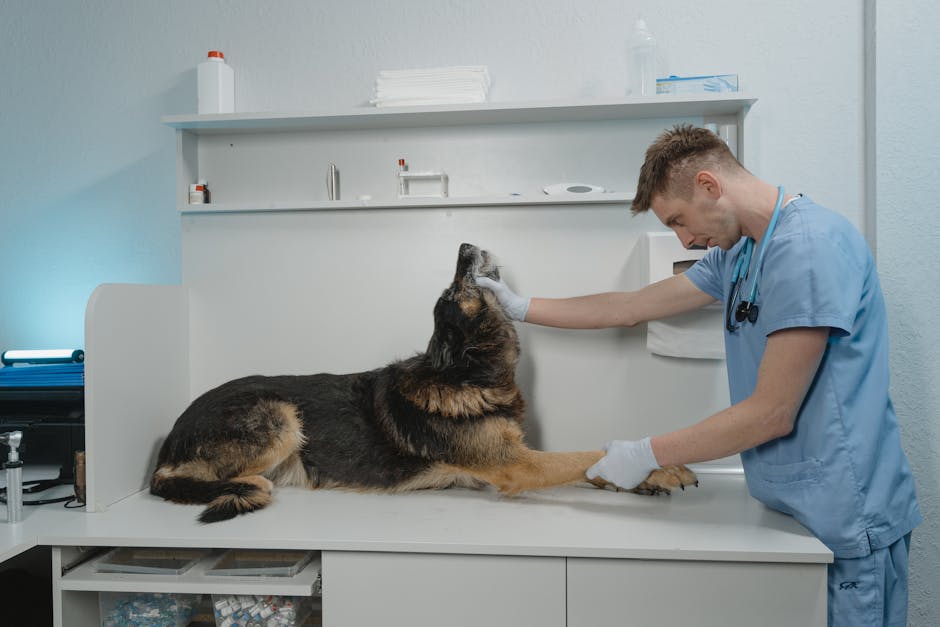
When Should You See a Vet Specialist Instead of a General Vet?
Your general practice vet is usually the first point of contact. However, if your pet has a condition that is not improving with standard treatment or requires specialized equipment, your vet will likely refer you to a specialist. Additionally, certain situations almost always warrant specialist care.
- If your pet has been diagnosed with cancer and needs chemotherapy or radiation therapy.
- When orthopedic issues like hip dysplasia, fractures, or spinal problems require advanced surgery.
- If your pet suffers from chronic allergies, skin issues, or endocrine disorders like diabetes that are hard to manage.
- When your pet needs complex eye surgery (e.g., cataract removal) or dental procedures beyond a routine cleaning.
- For advanced imaging like MRI or CT scans that require interpretation by a radiologist.
How Do Vet Specialists Become Certified?
Becoming a board-certified veterinary specialist is a long and demanding path. After graduating from veterinary school, a veterinarian must complete a one-year internship followed by a 3–4 year residency in their chosen specialty. During the residency, they work under the supervision of experienced specialists and must publish research. Moreover, they must pass a comprehensive board examination administered by their specialty college (e.g., American College of Veterinary Surgeons). Only then can they use the title “Diplomate” in that field. This rigorous process ensures that specialists have deep expertise in their area.
What Types of Vet Specialists Are There?
Veterinary medicine recognizes over 40 specialties, but some of the most common include:
| Specialty | Focus Area |
|---|---|
| Cardiology | Heart disease, echocardiograms, pacemaker placement |
| Oncology | Cancer diagnosis and treatment (chemo, radiation) |
| Orthopedic Surgery | Joint repairs, fracture fixation, spinal surgery |
| Dermatology | Chronic ear infections, food allergies, skin infections |
| Neurology | Seizures, intervertebral disc disease, brain tumors |
| Ophthalmology | Cataracts, glaucoma, corneal ulcers |
| Internal Medicine | Gastrointestinal, liver, kidney, and respiratory diseases |
How Much Does a Vet Specialist Visit Cost?
Specialist care is typically more expensive than a general practice visit because of the advanced equipment, longer appointment times, and higher level of training. Initial consultations can range from $150 to $400, while advanced imaging (MRI) or surgery can run into the thousands. However, pet insurance often covers a portion of specialist fees if the condition is not pre-existing. It's worth checking your policy before scheduling. While the cost may be higher, the expertise of a specialist can lead to better outcomes and potentially lower overall costs by avoiding repeated misdiagnoses or ineffective treatments.
How Do You Find a Qualified Vet Specialist?
Finding the right specialist ensures your pet receives the best possible care. Here are practical tips:
- Ask your general practice vet for a referral—they often work closely with specific specialists and can recommend someone they trust.
- Look for the designation “Diplomate” of a specific college (e.g., DACVIM for internal medicine).
- Check the website of the American College of Veterinary Internal Medicine (ACVIM) or similar organizations for a searchable directory.
- Read online reviews from other pet owners, but remember that specialty hospitals often have high standards regardless.
- Contact the specialist’s office directly to ask about their experience with your pet’s specific condition.
Conclusion
Understanding how vet specialists differ from general practice vets empowers you to navigate your pet's healthcare with confidence. General practice vets are your heroes for everyday wellness and early detection, while specialists bring focused expertise for complex or chronic conditions. By maintaining a strong relationship with your primary vet and knowing when to seek specialist care, you can give your pet the best chance at a healthy, happy life. If your vet suggests a referral, don’t hesitate—it’s a sign of quality care, not a failure.