

What Are Senior Dog Wellness Exams?
As your canine companion enters their golden years, routine vet checkups become even more critical. A senior dog wellness exam is a comprehensive evaluation that goes beyond the standard annual physical. It includes additional screening tests tailored to detect age-related conditions early. The primary keyword, senior dog wellness exams, should be on your radar if you have a dog over seven years old (or five for giant breeds). These exams are designed to catch issues like arthritis, kidney disease, dental problems, and cancer before they become debilitating. By requesting extra tests, you can extend your pet's quality of life and even catch reversible conditions in their earliest stages.

Why Do Senior Dogs Need Extra Tests?
As dogs age, their bodies undergo subtle changes that may not be obvious to us. A standard yearly exam might miss early signs of chronic disease. Furthermore, because many senior conditions develop gradually, routine blood work and imaging can reveal abnormalities months before symptoms appear. For instance, a senior dog with early kidney disease may drink and urinate normally, but a blood test will show elevated creatinine levels. Additionally, extra tests help establish baseline values for future comparisons, making it easier to spot trends over time. Without proactive screening, you risk discovering a problem only when it's advanced and harder to treat.
What Blood Tests Should You Request for Senior Dogs?
A complete blood count (CBC) and chemistry panel are foundational for any senior wellness exam. But to get a fuller picture, consider requesting these additional blood tests:
- Thyroid panel: Hypothyroidism is common in older dogs and can cause weight gain, lethargy, and skin issues.
- T4 and TSH: These specific thyroid markers help diagnose thyroid imbalances.
- SDMA (Symmetric Dimethylarginine): A more sensitive marker for early kidney disease than creatinine alone.
- Electrolyte panel: Detects imbalances that may indicate kidney or adrenal problems.
These tests are often included in a senior package, but always confirm with your vet. Early detection of thyroid or kidney issues can lead to simple dietary adjustments or medication that adds years to your dog's life.
How Often Should Senior Dogs Have Wellness Exams?
For healthy senior dogs, an exam every six months is recommended. This frequency allows your vet to monitor changes more closely. However, if your dog has a chronic condition such as diabetes, heart disease, or arthritis, quarterly visits may be necessary. The extra tests should be performed at least annually, but some vets suggest a full senior panel every six months. Transitioning from annual to semi-annual exams is one of the most impactful changes you can make for your aging pet's health. Remember, early intervention is key – the sooner you detect a problem, the more treatment options you have.
What Imaging Tests Are Important for Senior Dogs?
Imaging goes beyond a physical palpation. X-rays (radiographs) are invaluable for evaluating joints, spine, and internal organs. Specifically, request hip and elbow X-rays if your dog shows signs of stiffness or limping. Additionally, an abdominal ultrasound can assess the liver, spleen, kidneys, and bladder for tumors or stones. Chest X-rays help detect heart enlargement or lung metastases from cancer. While these tests add cost, they provide a non-invasive window into your dog's internal health. For dogs with breathing changes or a persistent cough, echocardiograms (ultrasound of the heart) are also recommended.
Should You Request a Thyroid Panel for Your Senior Dog?
Absolutely. Hypothyroidism is one of the most underdiagnosed conditions in older dogs. Symptoms like hair loss, weight gain, and sluggishness are often mistaken for normal aging. A basic screening test (total T4) can indicate a problem, but a full thyroid panel (including free T4 by equilibrium dialysis and TSH) gives a definitive diagnosis. If your dog is already on thyroid medication, annual monitoring is essential to adjust dosage. Untreated hypothyroidism can lead to obesity, joint pain, and even heart problems. Requesting this extra test can dramatically improve your senior dog's energy and coat condition.
How Can Dental Exams Reveal Hidden Health Issues?
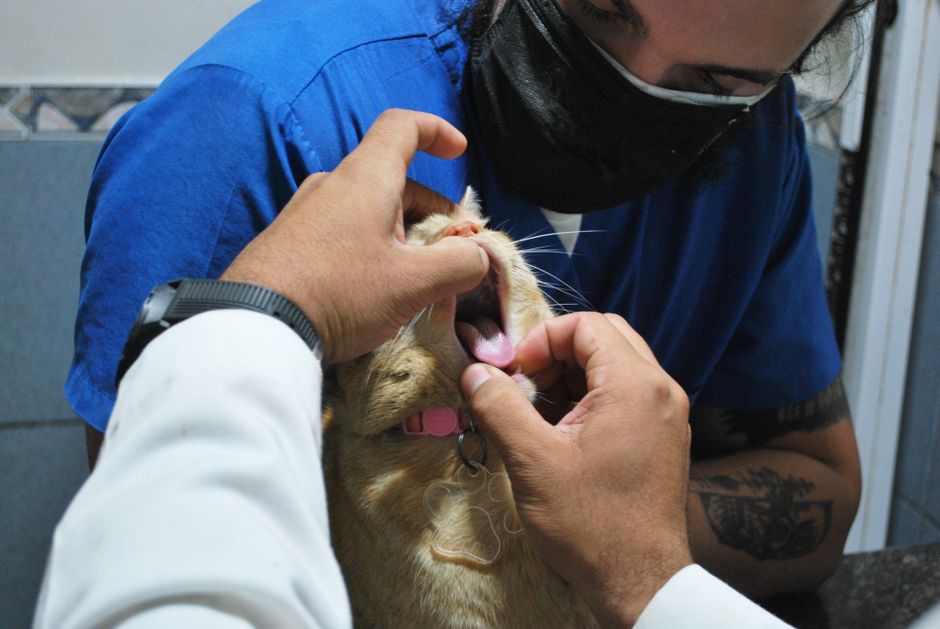
Oral health is often overlooked in wellness exams. A thorough dental examination under anesthesia (with dental X-rays) can uncover abscessed roots, periodontal disease, and oral tumors. Bacteria from gum disease can enter the bloodstream and damage the heart, kidneys, and liver. Furthermore, many senior dogs develop painful tooth resorption or fractures from chewing bones. Requesting a dental assessment as part of your senior wellness exam allows your vet to address oral issues before they cause systemic infections. Even if your dog seems fine, dental disease is often silent until advanced stages. A professional cleaning and X-rays every 12–18 months is a wise investment.
What Urinalysis and Kidney Function Tests Are Needed?
Kidney function declines with age, so a urinalysis alongside a blood panel is crucial. Specifically, look for urine specific gravity – if it's low, it may indicate kidney failure. Additionally, a urine protein-to-creatinine ratio helps detect early kidney damage. The blood test SDMA (mentioned earlier) can spot kidney decline months earlier than traditional markers. For a comprehensive senior kidney check, request both a urinalysis and a chemistry panel including BUN, creatinine, and SDMA. This combination catches issues like chronic kidney disease, urinary tract infections, and bladder stones. Early management often involves dietary changes and medication to slow progression.
Are There Heart Health Tests for Senior Dogs?
Yes, and they're vital for breeds prone to heart disease, like Cavalier King Charles Spaniels or Doberman Pinschers. A heart exam should include listening for murmurs, but more advanced tests include:
- NT-proBNP blood test: Screens for heart muscle stress and can indicate congestive heart failure.
- Echocardiogram (ultrasound of the heart): Provides detailed images of heart valves, chambers, and function.
- Electrocardiogram (ECG): Detects arrhythmias.
Requesting these tests is especially important if your dog coughs, tires easily, or has a swollen abdomen. Early detection of mitral valve disease or dilated cardiomyopathy allows for medication that can delay progression and improve comfort.
Conclusion
Proactive care through senior dog wellness exams with the extra tests discussed here can add meaningful years to your furry friend's life. Requesting blood work, imaging, dental exams, and cardiac screening enables early intervention for conditions that would otherwise progress silently. Talk to your veterinarian about creating a personalized senior wellness plan. Remember, it's never too late to start – and a few extra tests today can prevent a crisis tomorrow. Your loyal companion deserves nothing less than a thorough, compassionate approach to aging gracefully.