
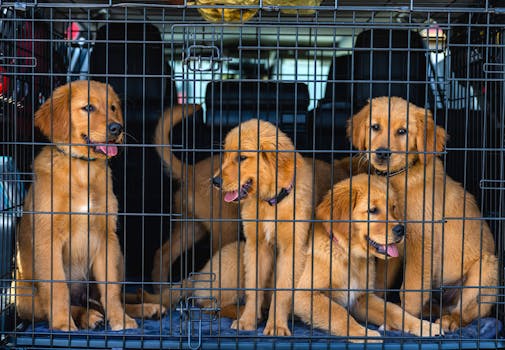
Bringing home a new puppy is an exciting adventure, but many owners overlook one crucial milestone: preparing your puppy for their first grooming session. That initial trip to the groomer can be stressful for both of you if not handled correctly. However, with the right preparation, you can turn this experience into a positive bonding opportunity. This comprehensive guide will walk you through every step, from desensitizing your pup to handling nails and brushes, ensuring your puppy’s first grooming session is calm and successful.
Why Early Grooming Familiarization Matters
Puppies go through a critical socialization window between 3 and 16 weeks of age. During this period, they are more receptive to new experiences, including being touched, handled, and exposed to grooming tools. Introducing your puppy to grooming early helps prevent fear and anxiety later in life. Furthermore, regular grooming is essential for their health—it keeps their coat free of mats, prevents nail overgrowth, and allows you to check for skin issues, parasites, or injuries. By starting early, you set the foundation for a lifetime of stress-free grooming sessions.
When to Schedule the First Grooming Session
Ideal Age Range
Most professional groomers recommend scheduling the first grooming session when your puppy is between 10 and 16 weeks old, provided they have received their initial vaccinations. This timing allows for early socialization while the puppy is still young enough to adapt easily. However, if your puppy is older, don't worry—it's never too late to start, but consistency and patience become even more important.
Signs Your Puppy Is Ready
Your puppy should be comfortable being handled by you before meeting a groomer. If they tolerate you touching their paws, ears, and tail without flinching, they are likely ready for a professional session. Additionally, ensure your puppy is calm and well-rested before the appointment—a tired puppy is easier to handle than an overexcited one.
How to Prepare Your Puppy at Home
Home preparation is the cornerstone of a successful first grooming session. Follow these actionable steps to acclimate your puppy:
- Touch desensitization: Gently handle your puppy’s paws, ears, tail, and mouth daily for short periods. Pair each touch with a treat to build positive associations.
- Introduce grooming tools: Let your puppy sniff brushes, combs, nail clippers, and the sound of clippers (if electric) while offering treats. Start with short, gentle brushing sessions.
- Practice table manners: Place your puppy on a non-slip surface, like a yoga mat or grooming table, and reward them for staying still for a few seconds. Gradually increase the time.
- Bathroom breaks: Take your puppy for a potty break just before leaving for the appointment to avoid accidents during the session.
- Pack essentials: Bring your puppy’s favorite treats, a familiar toy, and their vaccination records. Some groomers also appreciate a small towel with your home scent.
Additionally, consider scheduling a short "meet and greet" with the groomer a few days before the actual session. This allows your puppy to explore the environment without the pressure of a full groom.
What to Expect During the Session
Every groomer has their own process, but most follow a general sequence. Understanding what will happen reduces your anxiety and helps you prepare your puppy accordingly.
Step 1: Initial Check-In and Handling
The groomer will assess your puppy’s coat, skin, and temperament. They will gently handle your puppy's body to note any sensitive areas. Your puppy might be anxious at first, but experienced groomers use calm voices and treats to build trust.
Step 2: Bath and Drying
A warm, gentle bath with puppy-safe shampoo is usually the first major step. After rinsing, the groomer will towel dry and then use a low-heat blow dryer on a quiet setting. The sound can be startling, so if your puppy isn't used to it at home, the groomer will take extra time to introduce it slowly.
Step 3: Brushing, Nail Trimming, and Ear Cleaning
Once dry, the groomer will brush out the coat, trim nails carefully, and clean ears with a gentle solution. For a first session, the groomer may keep the grooming minimal—perhaps just a sanitary trim and nail clip—to avoid overwhelming the puppy.
Common Challenges and How to Overcome Them
Even with preparation, some puppies struggle during their first grooming session. Here are frequent issues and solutions:
- Fear of the table: Some puppies dislike being lifted onto a high surface. The groomer can use a non-slip mat and treat-based training to build confidence. You can also practice at home with a sturdy table.
- Noise sensitivity: Clippers and dryers can be terrifying. Ask the groomer to turn on the dryer at a distance first, then gradually bring it closer. You can also use a white noise machine at home to desensitize.
- Fidgeting or biting: A squirmy puppy may need frequent breaks. Groomers are trained to handle this calmly; never yell or punish. Instead, reward moments of stillness.
- Matted fur: If your puppy has tangles, the groomer may need to shave them out. This can be uncomfortable, but it's necessary. Prevent mats by brushing regularly at home.
The Professional Groomer's Role and Communication
Choosing a groomer experienced with puppies is vital. Before the session, discuss your puppy’s personality, any fears, and your grooming goals. A good groomer will take things slowly, offer breaks, and use positive reinforcement. They should also provide a clear summary of what they did and how your puppy reacted. If your puppy shows extreme stress—panting, shaking, or trying to escape—the groomer may recommend rescheduling or splitting the session into two shorter visits. Trust their judgment; forcing a terrified puppy can create lasting trauma.
Post-Grooming Care and Positive Reinforcement
After the session, praise your puppy enthusiastically and offer high-value treats. Take them home for a calm activity, like a short walk or cuddle time, to end on a positive note. Avoid overwhelming your puppy with visitors or loud noises immediately after. Observe their behavior in the following days—if they seem anxious around grooming tools, go back to basic desensitization exercises. Consistency is key. Moreover, schedule the next appointment while the memory of a good experience is fresh. Many groomers recommend monthly sessions for puppies to maintain routine.
In conclusion, preparing your puppy for their first grooming session is an investment in their long-term well-being and your relationship. By starting early, using gentle home preparation, and communicating openly with a skilled groomer, you can turn a potentially stressful event into a positive milestone. Remember that every puppy is different—patience and positive reinforcement will always yield the best results. So take that first step, and soon grooming will become a routine your puppy actually looks forward to.