
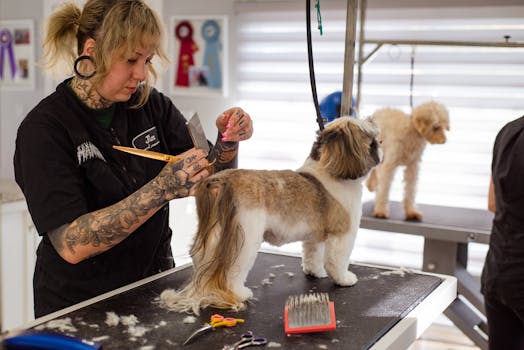
When it comes to keeping your furry friend looking and feeling their best, the debate between professional pet grooming vs DIY home grooming can leave many owners scratching their heads. Both approaches offer distinct advantages and drawbacks, and the best choice depends on your pet’s breed, coat type, temperament, and your own budget and schedule. This comprehensive guide breaks down every aspect so you can make a confident, informed decision.
What is Professional Pet Grooming?
Professional pet grooming involves certified groomers working in a salon environment equipped with industrial-grade tools and specialty products. Services typically include a full bath, breed-specific haircut, nail trim, ear cleaning, and gland expression. Groomers are trained to handle difficult temperaments, recognize skin abnormalities, and execute complex cuts safely.
Pros of Professional Grooming:
- Expert handling of anxious or aggressive pets
- High-quality, consistent results with breed-standard trims
- Reduced risk of injury (nicking, clipper burn, over-trimming)
- Early detection of lumps, infections, or parasites
- No mess at home and no equipment clutter
Cons of Professional Grooming:
- Cost per session ranges from $40 to $90+ depending on breed
- Travel time and appointment scheduling required
- Some pets experience stress from car rides and unfamiliar environments
- Less control over products used (some salons may use harsh chemicals)
What is DIY Home Grooming?
DIY home grooming means taking care of your pet’s grooming needs yourself, using tools you purchase and maintain. From brushing and bathing to clipping nails and trimming fur, you control the entire process on your own time.
Pros of DIY Home Grooming:
- Significant cost savings over time (initial investment $50–$200)
- Strengthens the bond between you and your pet through trust-building
- Flexible schedule – groom whenever it’s convenient
- Complete control over products, avoiding allergens or irritants
- No travel stress for pets that dislike car rides
Cons of DIY Home Grooming:
- Steep learning curve; mistakes like nicking skin or cutting too much can happen
- Time-consuming, especially for double-coated or long-haired breeds
- Requires investment in quality clippers, brushes, nail tools, and drying equipment
- Messy – hair, water, and product residue accumulate quickly
- Risk of missing underlying health issues (e.g., ear infections, skin growths)
Detailed Comparison: Professional vs DIY Grooming
The table below summarizes the key differences across essential factors, followed by deeper analysis of each area.
| Aspect | Professional Grooming | DIY Home Grooming |
|---|---|---|
| Cost | High per-session cost; no upfront investment | Low per-session cost after initial equipment purchase |
| Skill & Safety | Certified expertise; very low risk of injury | Self-taught; moderate to high risk of mistakes |
| Time & Convenience | Drop off and wait; time lost in travel | Flexible scheduling; can take longer at home |
| Equipment & Products | Industrial-grade tools; premium shampoos | Home-grade tools; owner chooses products |
| Health Monitoring | Groomer can spot abnormalities early | Owner may not recognize subtle signs |
| Bonding Experience | Minimal; pet interacts with stranger | High; trust and comfort strengthen over time |
Cost and Investment
Professional grooming costs add up quickly. A medium-sized dog with a full groom every 6–8 weeks can cost $400–$700 annually. In contrast, DIY grooming requires a one-time investment of around $100–$200 for a quality clipper set, grooming table, brushes, nail grinder, and shampoo. Over several years, DIY saves hundreds of dollars – but only if you are committed to learning and have the right tools.
Skill and Safety
Professional groomers undergo formal training and apprenticeship, mastering breed-specific cuts, proper handling, and emergency procedures. They know how to avoid clipper burn, how to safely trim nails without hitting the quick, and how to calm stressed pets. However, with patience, online tutorials, and practice, many dedicated pet owners become quite proficient. The safety risk is higher at home, especially for wriggly pets or those with thick, matted coats.
Time and Convenience
Scheduling a professional appointment often means dropping your pet off and returning 1–3 hours later – plus driving time. DIY grooming lets you groom on your own timeline, but the first few attempts can take twice as long. As you gain experience, you may complete a full grooming session in 45–90 minutes, similar to a salon visit. Furthermore, you eliminate travel stress for both you and your pet.
Equipment and Products
Salons use industrial-grade clippers, heavy-duty dryers, and professional grooming tables that make the job easier and safer. While you can buy good home versions, they may not be as powerful or durable. Additionally, professional products like hypoallergenic shampoos, de-shedding treatments, and conditioners are often more concentrated and effective than retail brands. Still, many owners prefer to choose natural or organic products that suit their pet’s sensitive skin.
Health and Bonding
A trained groomer often spots early signs of ear infections, dental issues, lumps, or skin problems that owners might overlook. This can be a lifesaving benefit. On the other hand, regular DIY grooming creates a routine of hands-on care that builds trust and deepens your bond. Many pets become more comfortable being handled over time, which benefits vet visits and daily care.
Making the Right Choice for Your Pet
There is no single “best” option. For high-maintenance breeds like Poodles, Shih Tzus, or Doodles that require precise haircuts every 4–6 weeks, professional grooming may be essential to avoid matting and maintain proper coat health. For short-haired breeds like Beagles or Labs, DIY maintenance with occasional professional deep grooms works well. Consider your pet’s temperament – if they are fearful of strangers or travel, home grooming may reduce stress. If they are anxious about grooming at home (e.g., struggle with nail trims), a professional’s calm handling can be better. Additionally, owners with limited time or physical limitations may prefer outsourcing the task.
A hybrid approach is often the most practical: book a professional full groom every few months for the heavy work, and perform regular brushing, ear cleaning, and nail trims at home. This balances cost, convenience, and safety while keeping your pet happy and healthy.
Conclusion
Whether you choose professional pet grooming vs DIY home grooming ultimately depends on your pet’s needs and your personal resources. Professional grooming delivers expert results and health monitoring but at a higher cost and reduced convenience. DIY grooming offers savings and a stronger bond but requires dedication, learning, and the right tools. By weighing the pros and cons outlined in this comparison, you can develop a grooming routine that keeps your pet looking great, feeling comfortable, and staying healthy between visits.