
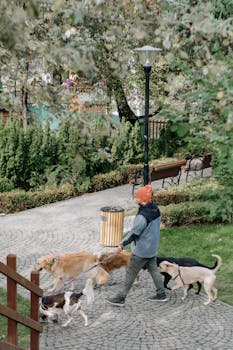
Feeding multiple dogs can feel like a high-stakes negotiation every mealtime. If you've ever watched one dog snatch another's kibble or seen lips curl over a bowl, you know the tension that comes with food aggression. This common issue—often called resource guarding—can turn a simple feeding routine into a stressful event. Fortunately, with the right strategies, you can prevent food aggression and create a peaceful dining experience for your entire pack. The key lies in understanding why dogs guard food and implementing structured feeding practices that address the root causes.
Understanding Food Aggression in Multi-Dog Households
Food aggression isn't about your dog being "bad"—it's a survival instinct. In the wild, dogs had to protect every meal. Today, even well-fed pets may feel the need to guard their bowl when other dogs are present. Recognizing this behavior is the first step to preventing problems.
What Is Food Aggression?
Food aggression includes growling, stiffening, snapping, or biting when a person or another dog approaches while the dog is eating. It can range from a subtle freeze to a full-blown fight. The behavior is not limited to meal bowls; it can also occur around high-value treats, chews, or even empty bowls.
Why Does It Happen?
Several factors trigger food aggression in multi-dog homes. Competition for resources, past scarcity (especially in rescued dogs), lack of structure, or even breed predispositions can all play a role. Additionally, dogs may learn that aggression works—if growling makes another dog back off, they repeat it. Understanding these causes helps you tailor your approach.
Setting Up a Safe Feeding Routine
A structured routine reduces anxiety and prevents conflict. Dogs thrive on predictability, and when they know exactly when and where food will appear, they feel less need to guard.
Designate Separate Feeding Stations
Even the most social dogs benefit from personal space during meals. Feed each dog in a separate area—different rooms, behind baby gates, or using crates. Visual barriers prevent eye contact and competition. For small spaces, use elevated bowls or place dogs facing away from each other. The goal is that no dog can see or reach another's bowl while eating.
Establish a Consistent Schedule
Feed meals at the same times every day. Dogs have internal clocks and feel more secure when they can anticipate food. A consistent schedule also helps you supervise every meal. Pick up bowls after 15–20 minutes, regardless of whether the food is finished. This teaches dogs that mealtime is limited and not a grazing opportunity.
Training Techniques to Curb Food Aggression
Training can reshape your dog's emotional response from guarding to sharing. It requires patience, but the results are long-lasting. Always work at your dog's comfort level and never punish growling—punishment can escalate aggression.
Desensitization and Counterconditioning
Desensitization means exposing your dog to the trigger (another dog near their food) at a low level that doesn't cause a reaction. Counterconditioning pairs that trigger with something positive—like a high-value treat. Start with one dog eating while the other is far away. Toss a treat to the eating dog each time the other appears. Gradually decrease the distance over days or weeks. The eating dog learns: another dog near my bowl means I get something even better.
The “Trade-Up” Game
This technique teaches dogs that humans taking something away leads to a better reward. Practice away from mealtime first. Give your dog a low-value chew, then offer a high-value treat while saying "trade." When they drop the chew, give the treat. Repeat until your dog eagerly trades. Once mastered, practice near the food bowl. This builds trust and reduces the need to guard.
- Start with items of low value (a plain toy).
- Use a high-value treat like chicken or cheese.
- Be calm and non-threatening; approach sideways.
- Never snatch the item—wait for your dog to offer it.
- Practice daily for short sessions (2–3 minutes).
Choosing the Right Bowls and Feeding Tools
The right equipment can make feeding multiple dogs safer and easier. Bowls themselves can be a source of conflict or a tool for calming.
Slow Feeder Bowls
Slow feeder bowls have ridges or mazes that force dogs to eat more slowly. This not only aids digestion but also extends mealtime, reducing the sense of urgency. For dogs that bolt their food and then turn to another's bowl, slow feeders can buy you critical seconds to intervene. Look for durable, non-slip designs that stay in place.
Puzzle Feeders and Interactive Toys
If you have a confident dog who guards less aggressively, puzzle feeders can turn mealtime into a solo activity. They require mental effort, keeping dogs occupied and less focused on other dogs. For example, a wobble dispenser or a snuffle mat can be used in separate rooms. Additionally, treat-dispensing toys during meals can help anxious dogs feel engaged rather than threatened.
Feeding Multiple Dogs Together? When to Separate
Some dogs can happily eat side-by-side after training, but others may always need separation. Knowing when to feed together and when to separate is crucial for safety.
Signs You Should Feed Separately
Even if your dogs get along well otherwise, certain behaviors indicate that group feeding is not safe. Watch for these red flags:
- One dog finishes first and immediately approaches another's bowl.
- You see stiff body language, wide eyes, or a frozen posture while eating.
- Growling or lip lifting occurs, even if brief.
- One dog used to being a stray or from a hoarding situation.
- There's a large size or age difference (puppies vs. seniors).
If you observe any of these, separate feeding is the safest choice. There's no shame in feeding apart—it's a management strategy that prevents fights.
Managing Resource Guarding Beyond Mealtime
Food aggression often extends to other high-value items. Addressing these scenarios prevents generalization to the food bowl.
High-Value Treats and Chews
When giving bones, bully sticks, or raw hides, always supervise. Hand out treats one dog at a time, and ensure each dog has its own space. If you see tension, pick up the item immediately with a trade-up (as discussed above). Never let dogs compete over a single chew. Instead, provide each dog with a similar item of equal value.
Space and Supervision
Beyond mealtime, keep an eye on shared spaces like water bowls, beds, and toy baskets. Some dogs guard these as well. Provide multiple water stations and enough beds so no dog feels crowded. When you can't supervise, separate dogs who have a history of resource guarding, even if you think they're fine. Prevention is always easier than intervention.
Conclusion
Successfully feeding multiple dogs without food aggression requires understanding, routine, and consistent training. By setting up separate feeding stations, using desensitization and trade-up games, and choosing the right tools, you can dramatically reduce tension. Remember that every dog is unique—some may always need to eat alone, and that's perfectly fine. The goal is not to force togetherness but to ensure safety and peace. If your dog's food aggression is severe or escalating, consult a certified professional dog trainer or veterinary behaviorist. With patience and the strategies outlined here, mealtime can transform from a battle into a calm, enjoyable ritual for both you and your dogs.