
Owning a Persian cat is a delightful experience, but their luxurious, long coat requires dedicated maintenance. If you are looking for a comprehensive Persian cat grooming guide, you have come to the right place. Proper grooming is essential not only for their stunning appearance but also for their overall health. This guide covers every aspect of coat and eye care, ensuring your feline friend stays comfortable, healthy, and beautiful. From daily brushing techniques to preventing tear staining, we provide actionable tips that every Persian owner needs. Let's dive into the world of Persian cat grooming and make it a stress-free routine for both you and your pet.
Understanding the Persian Cat Coat
The Persian cat's coat is famously dense, long, and silky, consisting of a soft undercoat and a longer outer coat. Unlike many other breeds, Persians have a single-layer coat that lacks a heavy guard hair structure, meaning it mats easily. The texture is prone to tangles, especially around the armpits, belly, and behind the ears. Furthermore, the coat's density traps dirt, oils, and loose hair, requiring frequent attention. Understanding this unique coat structure is the first step in developing an effective grooming routine. Without regular care, mats can form quickly, leading to skin irritation and discomfort. Additionally, Persian cats are known for their luxurious mane and ruff, which require extra care to maintain their fullness.
Coat Types and Variations
While all Persians share a similar coat type, there are subtle variations. Some lines have a more cottony texture, while others are silkier. The traditional doll-faced Persian often has a slightly less extreme coat than the flat-faced peke-face variety. Regardless of the type, the grooming needs remain high. It's crucial to tailor your brushing technique to your cat's specific coat condition. A silkier coat might require less detangling, whereas a cottony coat demands more frequent sessions. Always observe your cat's coat texture as it can change with age, diet, or weather.
Essential Grooming Tools for Persian Cats
Investing in the right tools is the foundation of successful Persian cat grooming. Using improper equipment can cause pain and damage the coat. To make your sessions effective and comfortable, you will need a selection of specialized grooming tools. Here is a checklist of must-haves:
- Stainless steel comb: A wide-tooth comb for detangling and a fine-tooth comb for finishing and removing loose hair. Avoid plastic combs as they create static.
- Slicker brush: Ideal for breaking up small mats and removing loose undercoat. Choose one with rounded pins to avoid scratching the skin.
- Metal mat splitter or dematting tool: For cutting out stubborn mats without pulling the skin. Use with caution.
- Eye wipes or soft cotton squares: For daily eye care to prevent tear stains. Use a vet-recommended solution.
- Grooming gloves: Helpful for gentle desensitization and removing loose hair during playtime.
- Grooming table or non-slip mat: Provides a secure surface for your cat during trims and full sessions.
Furthermore, having a quality detangling spray or leave-in conditioner designed for cats can make brushing smoother. Avoid human hair products as they can irritate feline skin.
Step-by-Step Daily and Weekly Coat Care Routine
Consistency is key when it comes to Persian cat grooming. A daily routine prevents mats from forming and reduces shedding around the house. However, many owners find a thorough session every other day sufficient if the coat is well-maintained. Let's break down what a typical week should look like.
Daily Quick Groom (5-10 minutes)
Each day, inspect your Persian's coat for any small tangles or debris. Use a wide-tooth comb to gently work through the ruff, chest, and belly. Pay special attention to areas where friction occurs, such as under the chin and behind the legs. Follow with a slicker brush in the direction of hair growth. This daily step keeps the coat smooth and prevents minor knots from turning into major mats. Additionally, this is a great bonding time—talk to your cat softly and offer treats to create positive associations.
Weekly Thorough Session (20-30 minutes)
Once a week, perform a complete grooming session. Start by applying a light mist of detangling spray if needed. Using your wide-tooth comb, begin at the top of the head and work downward, section by section. Hold the fur near the skin to avoid pulling. Once the coat is detangled, switch to the slicker brush to remove loose undercoat. Finish with the fine-tooth comb to ensure no tangles remain. Check the tail and sanitary areas for any matting. Trim the fur around the anus and genitals carefully with blunt-tipped scissors to keep the area clean. Always brush before a bath, never after, as water makes mats tighter.
Mastering Persian Cat Bathing
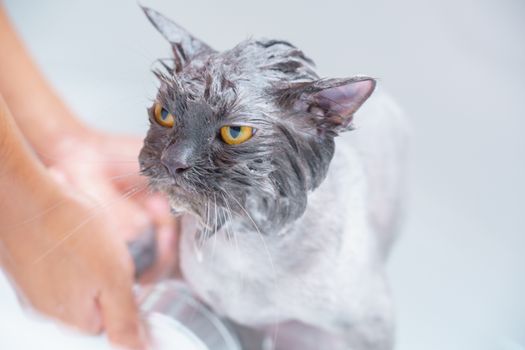
Bathing is an integral part of Persian cat grooming, typically done every four to six weeks. Their coat produces natural oils that can build up, leading to a greasy appearance and skin issues. However, bathing a Persian requires patience and preparation. Use a cat-specific shampoo that is gentle and moisturizing. Avoid human shampoos, which strip natural oils. Fill a sink or tub with lukewarm water (about 100°F) and place a rubber mat for grip. Wet your cat gradually, starting from the back and avoiding the head. Apply shampoo and massage gently, then rinse thoroughly—shampoo residue can cause skin irritation and matting. Afterward, wrap your cat in a warm towel and pat dry. Use a low-heat blow dryer on the lowest setting, brushing the coat as you dry to prevent tangles. Never use high heat, as it can burn sensitive skin. Drying a Persian takes time, but it is essential to avoid dampness that leads to skin infections.
Comprehensive Eye Care for Persian Cats
Persian cats are prone to excessive tearing due to their flat faces and shallow eye sockets. This can lead to tear staining, which appears as reddish-brown marks under the eyes. Proper eye care is crucial to prevent infections and keep your cat comfortable. Daily cleaning is recommended. Here is a simple eye care routine:
- Warm compress: Gently place a warm, damp cotton ball over the eye for a few seconds to loosen any discharge.
- Wipe outward: Using a fresh cotton square or vet-approved eye wipe, wipe from the inner corner outward. Never wipe toward the eye.
- Dry the area: Use a soft, dry cloth to keep the fur under the eyes dry. Moisture fosters bacteria.
- Check for redness: If you notice redness, swelling, or excessive discharge, consult your veterinarian. It could indicate an infection or blocked tear duct.
Furthermore, some owners use specialized tear stain removers or wipes. However, avoid any products with harsh chemicals or antibiotics without vet approval. Diet can also influence tearing; a high-quality, limited-ingredient diet may reduce staining. Ensure your cat has access to clean, filtered water, as tap water minerals can exacerbate stains.
Dealing with Mats, Tangles, and Shedding
Even with diligent care, mats can appear, especially during seasonal shedding. The first rule is: never yank or pull a mat. Yanking causes pain and can damage the hair follicles. Instead, use a dematting tool or mat splitter to carefully cut through the mat lengthwise, then gently comb out the sections. If the mat is too close to the skin, it is safer to clip it out with electric clippers (not scissors) to avoid cutting the skin. Professional groomers often use a #10 or #15 blade for this purpose. For severe matting, a complete shave-down may be necessary. This is a stressful event for the cat, so prevention is key. During heavy shedding periods (spring and fall), increase brushing frequency to daily. A deshedding tool like a Furminator can be used but only on the undercoat—avoid overuse as it can damage the topcoat. Additionally, adding omega-3 fatty acid supplements to your cat's diet can promote coat health and reduce shedding.
Professional Grooming vs. Home Grooming
Many Persian owners find a hybrid approach works best. Home grooming for daily and weekly maintenance is essential, but professional grooming every two to three months offers a deep clean and trim. Professional groomers have the expertise to handle difficult mats, safely clip nails, express anal glands, and perform a sanitary trim. They also have high-velocity dryers that can thoroughly dry the dense coat, reducing the risk of hot spots. However, relying solely on professionals is not advisable, as daily maintenance at home prevents mats from forming. If you travel often or have a cat that is particularly difficult to groom, a professional can be a lifesaver. When choosing a groomer, look for one experienced with Persian cats. Ask to see their facility and ensure they use gentle handling techniques. Always communicate any sensitivities or health issues beforehand. Ultimately, a consistent home routine supplemented by professional grooming ensures a healthy, gorgeous coat.
Conclusion
Persian cat grooming is a rewarding commitment that strengthens the bond between you and your feline companion. By understanding their unique coat, investing in the right tools, and establishing a consistent routine, you can keep your Persian looking and feeling their best. Remember, daily eye care is just as important as coat care to prevent stains and infections. If you encounter stubborn mats or health concerns, do not hesitate to consult a professional groomer or veterinarian. With patience and the techniques outlined in this guide, your Persian will enjoy a comfortable, mat-free life while showcasing their iconic beauty. Start today, and make grooming a positive experience for your beloved pet.