
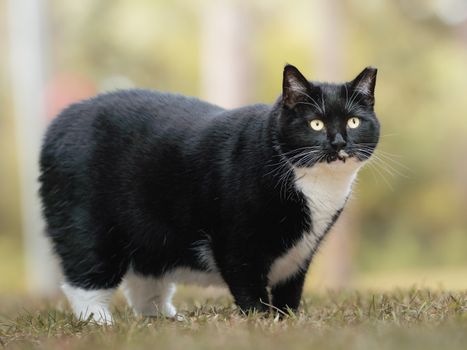
Is your furry friend carrying a few extra pounds? You're not alone. In fact, recent studies indicate that over 50% of dogs are overweight or obese, putting them at risk for serious health issues. Implementing effective weight management strategies for overweight dogs is crucial for their long-term well-being. This comprehensive guide will provide you with actionable tips to help your dog shed pounds safely and sustainably.
Understanding Canine Obesity: Risks and Causes
Canine obesity is more than a cosmetic concern; it's a serious medical condition that can shorten your dog's lifespan and diminish their quality of life. Excess weight puts immense strain on joints, increasing the risk of arthritis and mobility issues. Furthermore, overweight dogs are more prone to diabetes, respiratory problems, heart disease, and certain cancers. The primary causes of obesity are simple: more calories consumed than burned. However, contributing factors include overfeeding, lack of exercise, genetics, neutering, and underlying medical conditions such as hypothyroidism. Understanding these risks and causes is the first step in developing effective weight management strategies for overweight dogs. By recognizing the root of the problem, you can tailor a plan that addresses your dog's specific needs and ensures long-term success.
Consult Your Veterinarian First
Before starting any weight loss program, schedule a thorough check-up with your veterinarian. Your vet can rule out medical conditions that may be causing weight gain, such as Cushing's disease or thyroid issues. They will also assess your dog's body condition score (BCS) and determine an ideal target weight. Additionally, your veterinarian can help you establish a safe rate of weight loss—typically 1-2% of body weight per week. This professional guidance is essential because crash dieting or extreme exercise can harm your dog's health. Moreover, your vet can recommend a specific therapeutic diet or refer you to a veterinary nutritionist if needed. Remember, every dog is unique, and a personalized plan is far more effective than a generic one. With a veterinarian's oversight, you can confidently implement weight management strategies for overweight dogs that are both safe and effective.
Calculate and Control Calories
Calorie control is the cornerstone of any weight loss plan. Start by determining your dog's daily caloric needs using guidance from your vet or reputable online calculators. Generally, an overweight dog needs about 60-70% of the calories required to maintain their current weight. However, specifics vary by breed, age, and activity level. Once you know the target, measure every meal with a kitchen scale or standard measuring cup—don't eyeball it. Treats often sabotage weight loss; they should account for no more than 10% of daily calories.
- Choose low-calorie treats: baby carrots, green beans, apple slices (no seeds), or commercial low-calorie dog treats.
- Use portion-controlled treat containers to avoid overindulgence.
- Replace high-calorie chews with dental sticks or frozen vegetables.
Additionally, be mindful of table scraps and human food, which are often calorie-dense and nutritionally unbalanced. By strictly controlling calories, you'll create the necessary deficit for gradual weight loss.
The Right Diet: Choosing High-Quality Low-Calorie Food
Not all dog foods are created equal, especially when it comes to weight management. Look for foods labeled as “light,” “low-calorie,” “weight management,” or “reduced fat.” These formulas contain fewer calories per cup while still providing adequate protein and fiber to keep your dog full. Protein is particularly important because it helps preserve lean muscle mass during weight loss. Aim for a food with at least 25-30% protein on a dry matter basis. Fiber, such as from beet pulp or psyllium, promotes satiety and helps regulate digestion. Additionally, avoid foods with excessive fillers like corn, wheat, and soy that add empty calories. Your veterinarian may also recommend a prescription weight-loss diet that is specifically formulated to promote fat metabolism while maintaining muscle. Switching to a high-quality, low-calorie diet is one of the most impactful weight management strategies for overweight dogs, as it addresses the root cause of overconsumption without sacrificing nutrition.
Portion Control and Feeding Schedule
Even the best food will cause weight gain if fed in excess. Establish a consistent feeding schedule—typically two meals per day for adult dogs—and stick to it. Divide the daily calorie allowance into these meals to avoid large spikes in blood sugar. Use a measuring cup or scale to ensure accuracy; many pet owners underestimate portion sizes. You can also use interactive feeders or puzzle toys to slow down fast eaters, which helps with digestion and prevents overeating. Furthermore, avoid free-feeding (leaving food out all day) as it makes calorie tracking nearly impossible. If you have multiple dogs, feed them in separate areas to prevent resource guarding and accidental overeating. Consistency is key: even small deviations from the plan can stall progress. For example, a single high-calorie biscuit can negate the benefits of a calorie-restricted meal. By mastering portion control and adhering to a schedule, you create a structured environment that supports sustained weight loss.
Exercise: A Key Component
Exercise burns calories, builds muscle, and improves overall health. However, overweight dogs often have joint pain or low stamina, so start slowly and build up gradually. Aim for a minimum of 20–30 minutes of moderate activity per day, split into two sessions if needed. Here is a list of low-impact exercises that are gentle on joints:
- Walking on soft surfaces like grass or dirt trails.
- Swimming—excellent for full-body workout without joint stress.
- Slow jogging or hiking on flat terrain.
- Interactive games like fetch with a lightweight ball.
- Treadmill walking under supervision.
Additionally, incorporate mental stimulation through nose work or trick training, which can burn extra calories without physical strain. Always warm up with a few minutes of gentle walking and cool down afterward. Monitor your dog for signs of fatigue, such as excessive panting or lagging behind. As your dog loses weight, you can gradually increase intensity and duration. Remember, consistent low‑ to moderate-intensity exercise is more effective than occasional high-intensity sessions, especially in the beginning.
Monitor Progress and Adjust
Weight loss requires patience and regular monitoring. Weigh your dog every two weeks using the same scale at the same time of day (preferably before breakfast). Keep a log of weights, meal portions, treats, and exercise minutes. If your dog isn't losing weight after one month, revisit calorie counts, treat allocation, and exercise consistency. You may need to further reduce calories by 10% or add 5–10 minutes of exercise daily. Conversely, if weight loss is too rapid (more than 2% per week), increase calories slightly to prevent muscle loss or nutritional deficiencies. Your veterinarian can help you interpret the data and adjust the plan accordingly. Additionally, track body condition score using a chart from your vet—a healthy BCS means you can feel the ribs with a thin fat layer and see a distinct waistline from above. Regular monitoring ensures that your weight management strategies for overweight dogs remain effective and safe, allowing you to celebrate small victories along the way.
Avoid Common Mistakes
Many dog owners inadvertently undermine weight loss efforts. One common mistake is overestimating exercise calories—a leisurely 15-minute walk burns far fewer calories than most people think. Another pitfall is relying on “diet” treats that are still high in sugar or fat. Additionally, feeding “just a little” of human food can add up quickly. Furthermore, skipping the annual vet visit may allow underlying health issues to go undetected. Some owners become discouraged if they don't see rapid results; however, healthy weight loss is gradual. Finally, avoid using guilt as a motivator—never starve your dog or withhold water. Instead, focus on consistent, compassionate care. By steering clear of these common errors, you can stay on track and help your dog reach a healthier weight without frustration or setbacks.
Conclusion
Helping your overweight dog achieve a healthy weight is one of the most loving gifts you can give them. It reduces the risk of chronic diseases, improves mobility, and can even add years to their life. By following these weight management strategies for overweight dogs—consulting your vet, controlling calories, choosing the right food, managing portions, incorporating exercise, and monitoring progress—you set your canine companion up for long-term success. Remember that every small step counts, and your dedication will be rewarded with a happier, more energetic dog. Start today, and watch your best friend thrive.