
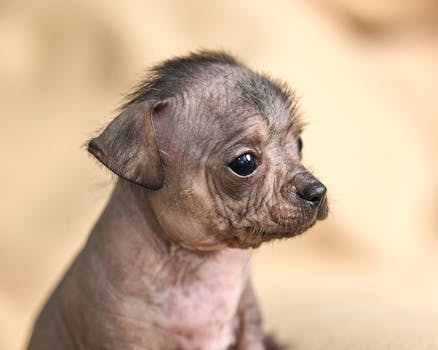
If you or a family member suffers from allergies but dream of sharing your home with a furry friend, hypoallergenic dog breeds offer a promising solution. These breeds produce fewer allergens—primarily dander, saliva, and urine—than their counterparts, making them a popular choice for allergy sufferers. However, choosing a hypoallergenic breed is only half the battle; their grooming needs are often more demanding than those of other dogs. In this comprehensive guide, we will explore the unique grooming requirements of hypoallergenic dog breeds and provide actionable tips to keep your pup—and your sinuses—happy.
What Makes a Dog Hypoallergenic?
Contrary to popular belief, no dog is 100% hypoallergenic. The term refers to breeds that produce fewer allergens, typically because they have hair instead of fur, shed minimally, or lack the dander that triggers reactions. Breeds such as Poodles, Bichon Frises, and Portuguese Water Dogs fall into this category. Their single-layer coats grow continuously, much like human hair, and trap dander rather than releasing it into the air. Additionally, many of these breeds are less prone to producing the protein Can f 1, found in saliva and skin flakes. Understanding this biology is crucial because it directly influences grooming frequency and techniques. Regular grooming helps remove loose hair and dander, reducing allergen spread. For allergy sufferers, investing in a consistent grooming routine is not optional—it's essential for maintaining a comfortable home environment.
Key Allergens in Dogs
- Dander: Tiny flakes of dead skin that become airborne.
- Saliva: Proteins from licking that can stick to surfaces.
- Urine: Allergens present in urine, especially on bedding.
Top Hypoallergenic Breeds and Their Grooming Needs
Each hypoallergenic breed has distinct grooming requirements based on coat type, growth rate, and activity level. Below, we break down the most popular breeds along with their specific care routines. Remember, while these breeds shed less, they often require professional grooming every 4–6 weeks.
Poodle (Toy, Miniature, Standard)
Poodles have a dense, curly coat that mats easily. Daily brushing with a slicker brush and comb is non-negotiable to prevent tangles. They need a full haircut every 4–6 weeks. Additionally, their floppy ears require weekly checks and cleaning to avoid infections. Use a detangling spray to keep curls smooth.
Bichon Frise
The Bichon’s fluffy, double coat requires thorough brushing every other day to maintain its signature powder-puff look. They benefit from a professional groom every 4 weeks, including a sanitary trim and teeth brushing. Their eyes need daily cleaning to prevent tear stains—use a damp cloth or vet-approved wipe.
Portuguese Water Dog
With a single-layer, wavy or curly coat, this breed needs brushing twice a week and trimming every 6–8 weeks. Pay extra attention to the belly and legs where mats form. They are active dogs, so bathe them every 2–3 weeks with a hypoallergenic shampoo to keep skin healthy.
Schnauzer (Miniature, Standard, Giant)
Schnauzers have a wiry topcoat and soft undercoat. Hand-stripping (pulling dead hair manually) maintains the proper texture, though many owners opt for clipping. Brush weekly and trim beard and eyebrows monthly to prevent food and dirt buildup. Regular ear plucking is also recommended.
Shih Tzu
Despite being tiny, Shih Tzus have a long, silky coat that demands daily brushing to avoid mats. Many owners keep them in a short puppy cut for easier maintenance. Their flat faces require regular cleaning of facial folds to prevent skin infections. A gentle leave-in conditioner helps reduce static and tangles.
Essential Grooming Tools and Techniques
To manage the grooming needs of hypoallergenic breeds effectively, assemble a toolkit specifically designed for non-shedding coats. Using the wrong tools can cause breakage or irritation. Below is a numbered list of must-have items and how to use them.
- Slicker Brush: Ideal for removing loose hair and tangles from curly or dense coats. Brush in sections, starting from the skin outward.
- Metal Comb: Use after brushing to check for hidden mats, especially behind ears, under arms, and around the tail.
- Detangling Spray: Lightly mist onto dry hair before brushing to reduce breakage and static.
- Electric Clippers with Guard Combs: For at-home trims (e.g., sanitary areas, paw pads). Choose a quiet model to keep your dog calm.
- Hypoallergenic Shampoo and Conditioner: Choose formulas without fragrances or dyes to avoid skin reactions. Oatmeal-based shampoos soothe sensitive skin.
- Ear Cleaner and Cotton Balls: Clean ears weekly with vet-recommended solution. Never use cotton swabs inside the ear canal.
- Nail Grinder or Clippers: Trim nails every 2–3 weeks to prevent clicking on floors and reduce dust accumulation.
Furthermore, incorporate a dental care routine using a dog-specific toothbrush and enzymatic toothpaste. Poor dental health can increase allergens through saliva. Brushing 2–3 times per week is ideal.
Seasonal Grooming Tips for Hypoallergenic Dogs
While hypoallergenic breeds shed less, seasonal changes still affect their coats and allergen levels. In spring and fall, increased pollen can stick to their hair, so wipe your dog down with a damp microfiber cloth after walks. During winter, indoor heating dries out skin, leading to more dander. Use a humidifier in rooms where your dog spends time, and switch to a moisturizing shampoo. In summer, check for mats caused by wet grass or sand. A good rule of thumb: increase bathing frequency to every 2 weeks during hot months, but avoid over-washing, which strips natural oils. Additionally, brush your dog outside when possible to prevent dander from circulating indoors.
Conclusion
Owning a hypoallergenic dog breed can be a game-changer for allergy sufferers, but it comes with a commitment to consistent, thorough grooming. From daily brushing to professional trims, each breed demands specific care to keep allergens at bay and maintain a healthy coat. By investing in the right tools, establishing a routine, and adapting to seasonal changes, you can create a comfortable home for both you and your furry companion. Remember, a well-groomed dog is a happier, healthier dog—and a much more allergy-friendly one. Start implementing these tips today, and enjoy the companionship without the sneezes.