
What Causes Sensitive Skin in Dogs?
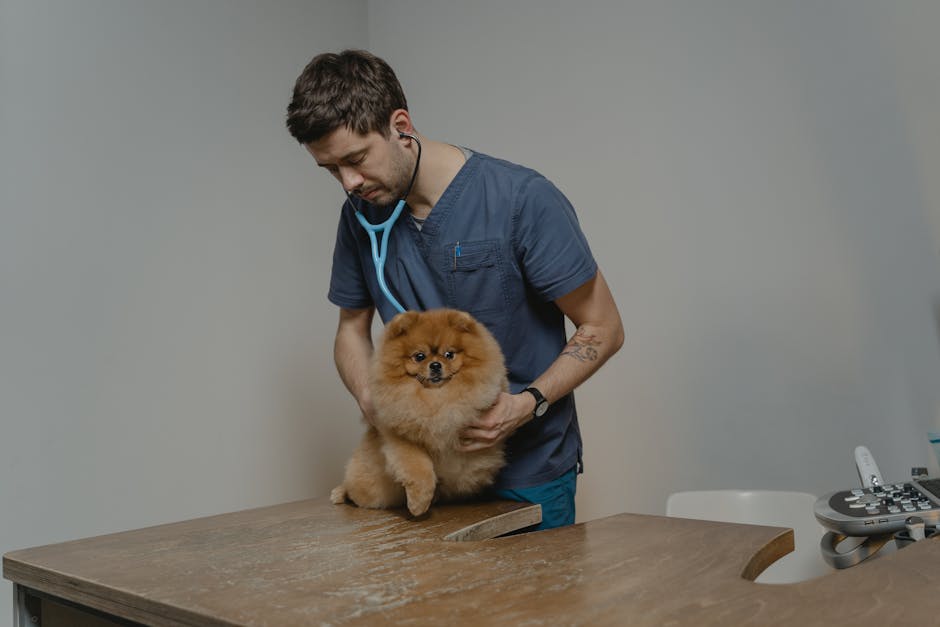
Sensitive skin in dogs can stem from a variety of factors including allergies (food, environmental, or flea), genetic predispositions, dry climates, harsh chemicals in shampoos, or underlying health conditions. Breeds like Bulldogs, Golden Retrievers, and West Highland White Terriers are particularly prone. Recognizing signs such as redness, itching, flaking, or recurrent ear infections is crucial before you attempt to groom a dog with sensitive skin. Understanding the root cause helps you tailor your grooming routine to avoid triggering flare-ups. Always consult your veterinarian if symptoms persist.
Furthermore, seasonal changes and stress can exacerbate skin sensitivity. For example, winter heating dries out the air, leading to more irritation. By identifying what affects your dog's skin, you can take proactive steps to minimize discomfort during grooming sessions.

How to Choose the Right Grooming Tools for Sensitive Skin?
Selecting the right tools is the first line of defense when you groom a dog with sensitive skin. Opt for brushes with soft, rounded plastic tips instead of wire bristles. A slicker brush with fine, flexible pins works well for detangling without scratching. Additionally, use metal combs with wide-spaced teeth for gentle dematting. Avoid tools that pull or snag the coat.
For nail trimming, choose a grinder instead of clippers to reduce the risk of cutting the quick. Ear care requires soft cotton pads and vet-recommended solutions—never use cotton swabs deep in the ear canal. Also, invest in a grooming glove to massage the skin while removing loose fur, which can be less intimidating for nervous dogs.
- Brush: Slicker brush with fine pins (e.g., Hertzko Self-Cleaning Slicker Brush)
- Comb: Wide-tooth metal comb like the Chris Christensen Buttercomb
- Nail care: Pet nail grinder (e.g., Dremel PawControl)
- Bath tools: Silicone scrub brush for gentle lathering
Additionally, always disinfect tools between uses to prevent bacterial growth that can worsen skin issues.
What is the Best Shampoo for Dogs with Sensitive Skin?
The best shampoo for a dog with sensitive skin is one that is hypoallergenic, fragrance-free, and packed with soothing ingredients like oatmeal, aloe vera, or coconut oil. Avoid products with parabens, sulfates, dyes, or artificial fragrances. Look for shampoos labeled “for sensitive skin” or “dermatologist-tested.”
However, even these may still cause reactions. Do a patch test on a small area before full application. If your dog has severe allergies, a medicated shampoo prescribed by your vet may be necessary. Also, consider a conditioner designed for sensitive skin to lock in moisture and reduce friction during brushing.
Here are some examples of effective ingredients:
- Colloidal oatmeal – soothes itching and inflammation
- Aloe vera – cools and hydrates
- Vitamin E – supports skin repair
- Omega-3 fatty acids – reduce dryness and flakiness
Furthermore, use lukewarm water and rinse thoroughly to prevent residue buildup that can irritate.
How to Bathe a Dog with Sensitive Skin Safely?
Bathing a dog with sensitive skin requires a cautious approach. First, brush your dog thoroughly before the bath to remove loose hair and tangles. Then, wet the coat with lukewarm water—hot water strips natural oils and cold water can cause stress. Dilute shampoo with water in a bottle to make it easier to distribute and less concentrated.
Gently massage the shampoo into the coat using your fingertips or a silicone brush. Avoid scrubbing vigorously or using your nails. Rinse thoroughly until no soap remains, as residue is a common irritant. After rinsing, apply a soothing conditioner and let it sit for a few minutes before a final rinse.
- Brush out tangles before bath.
- Use lukewarm water only.
- Dilute shampoo to reduce harshness.
- Massage gently with fingertips.
- Rinse completely to avoid residue.
- Pat dry with a soft towel (no rubbing).
Additionally, use a blow dryer on the coolest setting if needed, but avoid high heat. Many dogs with sensitive skin do better with air drying in a warm, draft-free room. Never leave them wet as moisture can breed yeast and bacteria.
How to Brush a Dog with Sensitive Skin Without Irritation?
Brushing a dog with sensitive skin must be done with care to avoid causing micro-abrasions or triggering itchiness. Start by choosing a soft-bristle brush or a rubber grooming mitt. Work in sections, using slow, gentle strokes in the direction of hair growth. However, if you encounter mats, do not pull; use a detangling spray or seek professional help.
Establish a routine: brush daily for short coats, every other day for longer coats. This distributes natural oils and removes debris without overstimulating the skin. Pay special attention to sensitive areas like the belly, armpits, and behind the ears. Use a light touch—if your dog flinches or whines, stop and reassess your technique.
Furthermore, incorporate a leave-in conditioner or coconut oil spray to reduce static and make brushing smoother. Always reward your dog with treats and praise to create a positive association.
How to Trim Nails and Clean Ears for Sensitive Skin Dogs?
Nail trimming and ear cleaning are often stressors for dogs with sensitive skin. For nails, use a grinder to file down gradually—this lowers the risk of hitting the quick. If you can see the pink quick, stop immediately. Keep styptic powder on hand for accidents. For dogs that are extremely nervous, consider having a vet or groomer do it.
Ear cleaning requires a gentle touch. Use a cotton ball dampened with a vet-approved ear cleaner (never alcohol or hydrogen peroxide). Wipe the outer ear only, never push into the canal. If your dog’s ears are red or have discharge, consult your vet before cleaning. Additionally, pluck excess hair from the ear canal carefully with tweezers if recommended by your vet, as trapped moisture can worsen sensitivity.
After each session, check for signs of irritation: excessive scratching, redness, or swelling. If you notice any, stop and consult a professional.
When Should You Seek Professional Grooming Help?
Sometimes grooming a dog with sensitive skin at home is too risky, especially if your dog has severe allergies, open sores, or extreme anxiety. Professional groomers have experience with sensitive skin and use specialized products and techniques. They can also spot early signs of skin problems you might miss.
Seek professional help if your dog shows these signs:
- Persistent scratching or licking after grooming
- Red, inflamed skin or hot spots
- Frequent ear infections
- You accidentally cut the quick and bleeding won’t stop
- Your dog becomes aggressive or panicked during grooming
However, when you visit a groomer, inform them about your dog’s skin condition and any allergies. Ask about their products and request hypoallergenic alternatives. A good groomer will adapt their methods to ensure safety and comfort.
Conclusion
Grooming a dog with sensitive skin doesn’t have to be a struggle. By understanding the causes, choosing the right tools and products, and using gentle techniques, you can keep your dog comfortable and well-groomed. Always monitor for reactions and consult your vet or a professional groomer when needed. With patience and care, your sensitive skin dog can enjoy a healthy, happy grooming routine.