
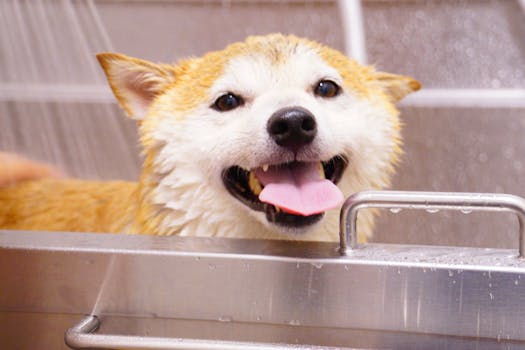
If your furry friend trembles, hides, or growls at the sight of clippers or a brush, you know the challenge of trying to groom an anxious or nervous pet. This struggle is common, but with the right approach, you can transform grooming from a dreaded ordeal into a bonding experience. This comprehensive guide will walk you through proven techniques to groom an anxious or nervous pet successfully, reducing stress for both you and your companion. Whether you have a fearful dog, a skittish cat, or a nervous rabbit, these strategies build trust and confidence.
Understanding Pet Anxiety During Grooming
Before you pick up a tool, it is essential to recognize the signs of anxiety in your pet. Common indicators include panting, drooling, tucked tail, flattened ears, whale eye (showing the whites of the eyes), escape attempts, and even aggression. Anxiety during grooming often stems from past negative experiences, sensitivity to noise or vibration, or simply the feeling of restraint. Furthermore, some breeds are more prone to nervousness, but any pet can develop grooming-related fear. Understanding the root cause helps you tailor your approach. For instance, a pet that fears the sound of clippers will need gradual desensitization, while one that dislikes being held might benefit from shorter sessions and positive reinforcement.
Pre-Grooming Preparation: Setting the Stage for Success
Preparation is the foundation of a stress-free grooming session. A calm environment reduces the likelihood of triggering a panic response. Follow these steps to create a soothing space:
- Choose the right time: Pick a time when your pet is naturally relaxed, such as after a walk or a meal. Avoid grooming when they are overtired or overly stimulated.
- Use calming aids: Consider pheromone sprays (e.g., Adaptil for dogs or Feliway for cats), calming music designed for pets, or a weighted blanket. These can lower baseline anxiety.
- Prepare your tools: Have everything ready before you bring your pet to the area. This minimizes waiting time and prevents unnecessary stress from fumbling for supplies.
- Create a non-slip surface: Place a rubber mat on your table or floor to give your pet a sense of security. Slippery surfaces amplify fear.
Additionally, practice handling your pet in non-grooming contexts. Gently touch their paws, ears, and tail while giving treats. This desensitization pays off when those areas need attention during grooming.
Step-by-Step Grooming Techniques for Anxious Pets
Start with Low-Stress Desensitization
Begin by introducing the grooming tool without using it. For example, show your pet the brush, then click and treat. Next, touch the brush to their fur for one second, reward, then build up to longer strokes. The key is to move at your pet's pace. However, if they show any signs of fear, step back a stage. Patience is more important than speed. For clippers, let the pet see them turned off, then reward. Gradually turn them on in another room, rewarding calm behavior. This process can take days or weeks, but it creates lasting trust.
Use Positive Reinforcement Throughout
Every grooming session should feel like a game. Keep high-value treats (tiny pieces of chicken, cheese, or freeze-dried liver) on hand. Give a treat after each gentle brush stroke, before you move to a new area, and immediately after finishing a task. Pair treats with a calm, happy voice. Avoid rewarding fearful behavior—only reward calm or brave moments. For instance, if your pet flinches but does not pull away, reward that tolerance. This teaches them that staying still leads to good things.
Work in Short, Frequent Sessions
Long grooming sessions overwhelm nervous pets. Aim for 5–10 minutes per session, and stop before your pet becomes agitated. Multiple short sessions per week are far more effective than one extended ordeal. As your pet’s confidence grows, you can gradually extend the time. Remember, a positive 5-minute session is a success; a negative 20-minute session sets back progress.
Focus on the Least Sensitive Areas First
Begin grooming on the back, shoulders, or chest—areas most pets tolerate well. Avoid the paws, face, and tail until your pet is completely comfortable. When you do move to sensitive spots, use extra caution. For paws, start by simply lifting the paw and rewarding, then touch the paw with the tool, then trim one nail per session. Similarly, for ears, begin with a gentle massage before using a wipe or solution.
Special Considerations for Dogs vs. Cats
While the core principles apply to both species, there are species-specific nuances. For dogs, many are comfortable with a leash during grooming to provide security, but never use a tight leash that causes fear. For cats, it is crucial to avoid scruffing unless absolutely necessary, as this can increase anxiety. Instead, use a towel wrap ("purrito") for small cats to create a sense of safety. Additionally, cats are more sensitive to sound, so ensure clippers have low noise levels. For both species, never force a pet into a position; let them adjust naturally.
Tools and Products That Help Calm Nervous Pets
Investing in the right equipment can make a significant difference. Consider these groomer-recommended items:
- Quiet clippers: Cordless, ultra-quiet clippers minimize vibration and noise. Brands like Wahl or Andis offer low-decibel models.
- Slicker brushes with coated tips: These are gentler on sensitive skin compared to metal pin brushes.
- Calming supplements: Products containing L-theanine, hemp oil, or melatonin can be given 30-60 minutes before grooming (consult your vet first).
- Non-slip grooming mats: These provide traction and comfort, reducing the fear of falling.
Moreover, use a lick mat smeared with peanut butter or yogurt to distract your pet during grooming. This positive distraction keeps their focus on a pleasant taste rather than the grooming tool.
When to Pause or Stop Grooming
Knowing when to stop is just as important as knowing when to start. If your pet’s anxiety escalates to shaking, growling, or snapping, stop immediately. Forcing them to continue will erode trust and increase future fear. Instead, end the session on a positive note by giving a high-value treat and offering praise. Then, step back and assess what triggered the reaction—was it the tool, the area, or the duration? Adjust your approach next time. If your pet consistently shows extreme fear despite your best efforts, consult a professional groomer experienced with anxious animals or a veterinary behaviorist. Sometimes sedative options (prescribed by a vet) are needed for essential grooming like mat removal, but this should be a last resort.
Conclusion
Learning how to groom an anxious or nervous pet is a journey of patience, empathy, and consistency. By creating a calm environment, using gradual desensitization, and rewarding every small step of bravery, you can help your pet feel safe during grooming. Remember that progress may be slow, but each positive interaction rebuilds confidence. You are not only maintaining their coat and hygiene but also strengthening the bond you share. Start small, stay calm, and celebrate every victory—no matter how tiny. Your pet will thank you with a lifetime of trust.