
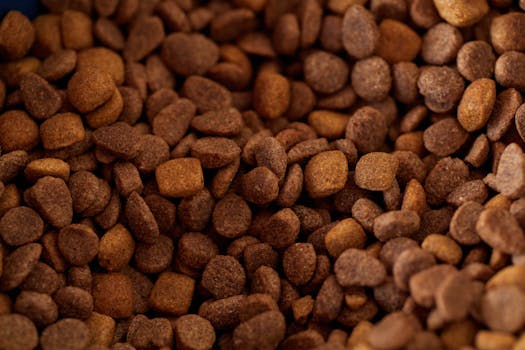
Walking down the pet food aisle, you have likely noticed the booming number of bags labeled 'grain-free.' With bold claims of being more natural, healthier, and closer to a wild ancestor's diet, grain-free dog food has become one of the most debated topics in pet nutrition. However, separating fact from marketing fluff is essential for your dog's health. In this comprehensive guide, we will cut through the hype, examine the real science behind grain-free formulas, and give you actionable tips to make an informed choice.
What Is Grain-Free Dog Food?
Grain-free dog food excludes common cereal grains such as wheat, corn, rice, barley, and oats. Instead, these recipes rely on alternative carbohydrate sources like potatoes, sweet potatoes, peas, lentils, chickpeas, and tapioca. The primary protein usually comes from meat, poultry, or fish. While the concept sounds simple, the nutritional implications are more complex than many manufacturers let on. It is important to understand that grain-free does not mean carbohydrate-free; it merely swaps one type of carb for another.
The Marketing Myths
Myth 1: Grains Are Bad for All Dogs
One of the most pervasive marketing claims is that grains are unnatural fillers that cause allergies and digestive problems. In reality, true grain allergies in dogs are rare—affecting less than 1% of the canine population. The vast majority of dogs digest grains perfectly well. Furthermore, whole grains like oatmeal and brown rice provide valuable fiber, vitamins, and minerals.
Myth 2: Grain-Free Is More 'Natural' and Mimics a Wolf's Diet
Another common message is that grain-free foods are closer to what dogs ate in the wild. However, thousands of years of domestication have given dogs the ability to digest starches efficiently. Dogs have evolved multiple copies of the AMY2B gene, which produces amylase—an enzyme that breaks down carbohydrates. Moreover, wolves rarely eat grain-free diets because their prey consumes grains, which end up in the predator's stomach contents. So the 'wolf diet' myth is biologically inaccurate.
Myth 3: Grain-Free Foods Are Lower in Carbohydrates
Many pet owners choose grain-free expecting a lower-carb product. However, studies show that many grain-free kibbles have similar or even higher carbohydrate content than their grain-inclusive counterparts. Because grains are replaced with legumes and tubers—which are also dense in starch—the total carbohydrate load often remains unchanged. The only way to know a food's carbohydrate level is to look at the guaranteed analysis or call the manufacturer.
The Scientific Facts
FDA Investigation and Dilated Cardiomyopathy (DCM)
Since 2018, the U.S. Food and Drug Administration has investigated a potential link between certain grain-free diets (especially those heavy in peas, lentils, and potatoes) and canine dilated cardiomyopathy (DCM), a serious heart condition. While a direct causal link has not been proven, the pattern is concerning: many reported cases involved dogs eating grain-free foods with legumes as primary ingredients. The theory is that these ingredients may interfere with taurine absorption or metabolism. Although most dogs are not affected, the risk should not be ignored.
Nutritional Balance and Ingredient Quality
Not all grain-free foods are created equal. Some premium grain-free brands use high-quality meats and vegetables, while others rely on cheap fillers like potato starch and pea protein. The absence of grain does not automatically make a food better. In fact, grain-inclusive diets from reputable manufacturers often undergo rigorous feeding trials and meet AAFCO nutrient profiles. Always evaluate the food as a whole rather than focusing on a single attribute.
When Is Grain-Free Appropriate?
There are legitimate cases where a grain-free diet may be beneficial. These include:
- Confirmed grain allergy or intolerance: If your dog exhibits chronic itching, ear infections, or gastrointestinal upset and a veterinary elimination diet identifies a specific grain, then grain-free is a valid option.
- Certain medical conditions: Some dogs with inflammatory bowel disease (IBD) or specific metabolic disorders may do better on a grain-free, highly digestible diet. This should always be under veterinary guidance.
- Owner preference after consultation: If you work with a veterinary nutritionist and choose a complete and balanced grain-free formula that avoids high-risk legume concentrations, it can be safe for many dogs.
However, for the average healthy dog, there is no proven benefit to going grain-free. In fact, many dogs thrive on a high-quality grain-inclusive diet.
How to Choose a High-Quality Dog Food: Actionable Tips
Instead of falling for marketing gimmicks, focus on the following evidence-based criteria when selecting any dog food:
- Look for the AAFCO statement: Ensure the food is formulated to meet the nutritional levels established by AAFCO for your dog's life stage (growth, maintenance, all life stages).
- Check the first five ingredients: A named protein source (e.g., chicken meal, deboned salmon) should be first. Avoid ambiguous terms like 'meat meal' or 'poultry by-product.'
- Evaluate carb sources: Whether grain-inclusive or grain-free, choose whole foods such as brown rice, oatmeal, sweet potatoes, or barley. Avoid excessive legume or potato concentrates.
- Investigate the manufacturer: Does the company employ a board-certified veterinary nutritionist? Do they conduct feeding trials or publish research?
- Consider your dog's individual needs: Age, breed, activity level, and health status all matter. A highly active working dog may need more carbs than a sedentary lap dog.
- Consult your veterinarian: Before switching diets, especially to a grain-free formula, discuss it with your vet. They can help you weigh potential risks and benefits specific to your dog.
Additionally, be wary of 'boutique' labels that use exotic proteins or trendy ingredients without scientific backing. Stick with brands that have a long track record of safety and transparency.
Conclusion
The grain-free dog food trend is fueled more by marketing than by science. While these diets are sometimes necessary for dogs with specific health issues, they are not inherently superior to high-quality grain-inclusive foods. The FDA's ongoing investigation into the DCM link reminds us that novel diets can carry unforeseen risks. As a responsible pet owner, your best strategy is to evaluate food based on complete nutrition, ingredient quality, and your dog's unique needs—not on the presence or absence of grains. Always consult your veterinarian before making major dietary changes, and remember that a balanced, evidence-based approach is the key to a happy, healthy dog.