

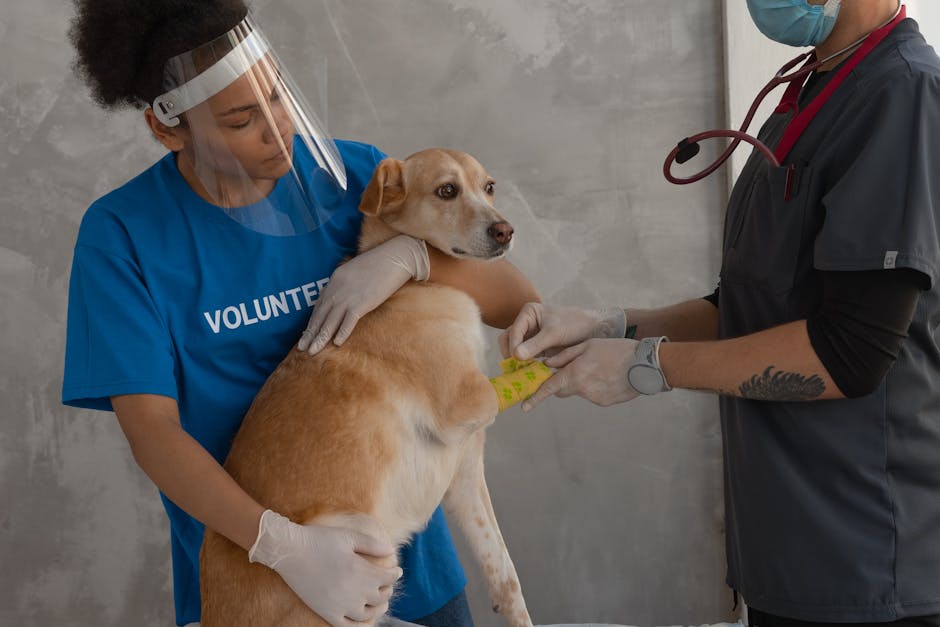
What Defines an Emergency Vet Visit?
When your pet suddenly falls ill or gets injured, you face a critical decision: should you rush to an emergency vet or wait for a regular vet appointment? Understanding the difference between an emergency vet and a regular vet visit can save your pet’s life and your wallet. An emergency vet is a specialized facility open 24/7 to handle life-threatening conditions such as trauma, poisoning, or severe breathing difficulties. In contrast, a regular vet visit typically covers routine check-ups, vaccinations, and non-urgent illnesses. Knowing which to choose requires recognizing the severity of the situation. However, many pet owners struggle with this choice during stressful moments. This guide will help you distinguish between the two and make an informed decision quickly.

What Are the Signs Your Pet Needs an Emergency Vet?
Recognizing emergency signs is the first step to deciding between an emergency vet and a regular vet visit. If your pet exhibits any of the following, seek immediate emergency care:
- Difficulty breathing or choking
- Uncontrolled bleeding or trauma (e.g., hit by car)
- Seizures or collapse
- Ingestion of toxic substances (e.g., chocolate, antifreeze)
- Sudden inability to urinate or defecate
- Severe vomiting or diarrhea with blood
- Eye injuries or sudden blindness
Additionally, if your pet is in obvious pain, such as yelping when touched or refusing to move, it may warrant an emergency visit. Furthermore, symptoms like bloated abdomen (indicating gastric dilatation-volvulus in dogs) or suspected heatstroke require immediate attention. On the other hand, mild limping, occasional sneezing, or minor skin rashes are usually best handled by your regular vet during office hours. Always err on the side of caution—if you’re unsure, call an emergency vet for guidance.
How Does a Regular Vet Visit Differ from an Emergency Visit?
The core difference lies in the setting and purpose. A regular vet visit is scheduled in advance and focuses on preventive care, chronic disease management, and non-urgent issues. Emergency vets, however, stabilize critical patients first and later coordinate follow-up care with your regular vet. Here’s a comparison:
| Factor | Regular Vet Visit | Emergency Vet Visit |
|---|---|---|
| Hours of operation | Typically 9 AM – 6 PM weekdays | 24/7, including holidays |
| Appointment needed | Yes, usually required | Walk-ins welcome but may have wait times |
| Cost | Lower (routine exams, vaccines) | Higher (specialized equipment, overnight care) |
| Tests available | Basic bloodwork, X-rays | Advanced imaging, emergency surgery |
| Purpose | Prevention, vaccination, mild illnesses | Life-threatening emergencies |
While emergency vets are essential for acute crises, regular vets provide continuity and better manage long-term conditions like diabetes or arthritis. Moreover, your regular vet knows your pet’s history, which can be crucial for accurate diagnosis after an emergency.
What Factors Should You Consider When Choosing?
Making the right choice involves evaluating multiple factors beyond just symptoms. First, assess the severity: if the condition is not immediately life-threatening but still urgent (e.g., a broken tooth or persistent ear infection), call your regular vet for a same-day appointment. Many regular vets reserve slots for urgent cases. Second, consider time of day—if it’s after hours or a weekend, an emergency vet is often your only option. Third, weigh costs: emergency visits are 2–3 times more expensive than regular appointments. However, pet insurance can help offset these costs. Fourth, think about distance: traveling far with a critical pet may delay care. Fifth, evaluate your pet’s comfort level: some pets stress more in busy emergency clinics than in a calm regular vet office. Additionally, if your pet has a pre-existing condition, your regular vet may have specific treatment plans that emergency staff need to follow. In summary, use this decision matrix: if breathing, heartbeat, or consciousness is compromised, go to emergency vet; otherwise, call your regular vet first.
How Can You Prepare for Both Types of Visits?
Preparation reduces panic and improves outcomes. For regular vet visits, maintain up-to-date vaccination records, list of medications, and a log of any symptoms. Keep your vet’s phone number and address handy. For emergency visits, take these steps:
- Save the nearest emergency vet’s contact info and GPS location on your phone.
- Create a pet first-aid kit with bandages, gauze, hydrogen peroxide (for poisoning, as directed), and a muzzle (even friendly pets bite when scared).
- Know your pet’s medical history, including allergies and chronic conditions.
- Keep a credit card or pet insurance info accessible—emergency clinics require payment upfront.
- Learn the signs of common emergencies (heatstroke, bloat, toxin ingestion) so you can act fast.
Furthermore, discuss emergency scenarios with your regular vet during routine visits. Many vets can provide after-hours numbers or recommend a trusted emergency facility. Being proactive ensures you’re never caught off guard.
Conclusion
Choosing between an emergency vet and a regular vet visit doesn’t have to be daunting. By recognizing danger signs, understanding the differences in care, and weighing factors like cost and timing, you can make a swift, confident decision. Remember, when in doubt, call an emergency vet for advice—they can triage over the phone. Ultimately, your pet’s safety is the priority, and knowing where to turn in a crisis is a key part of responsible pet ownership. Keep this guide accessible, and your pet will thank you.