
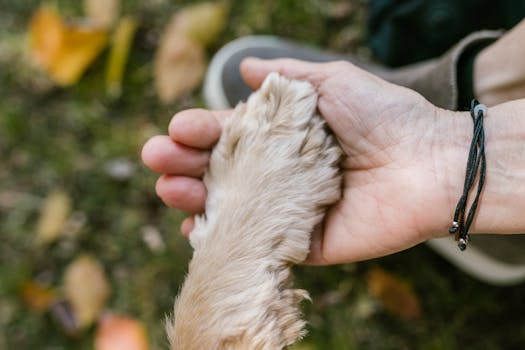
Your dog's paws are remarkable—they withstand rough terrain, extreme temperatures, and constant impact. However, they often go overlooked in regular grooming routines. Proper dog paw care is essential for your furry friend's overall health and mobility. From cracked pads to embedded debris, neglecting paw maintenance can lead to pain, infection, and reduced activity. In this comprehensive guide, you’ll learn everything you need to know about pad maintenance, including daily routines, seasonal precautions, and when to seek veterinary help. By the end, you’ll be equipped with actionable tips to keep your dog’s paws healthy and happy.
Why Dog Paw Care Matters
Dog paw pads are thick, specialized skin designed to protect against friction and impact. Nevertheless, they are still vulnerable to cuts, burns, and dryness. The pads contain sweat glands that help with some temperature regulation, but they do not provide full protection against hot pavement or ice. Furthermore, debris like gravel, grass seeds, and salt can become lodged between toes, causing irritation or infections. Regular inspection and care can prevent minor issues from escalating into serious problems that require veterinary intervention. Additionally, maintaining paw health supports your dog’s confidence and comfort during walks, runs, and play. A dog with healthy paws is a happy, active dog.
Common Paw Problems to Watch For
Understanding typical paw issues helps you catch them early. Here are the most frequent concerns:
- Cracked or dry pads: Often caused by dry weather, excessive licking, or walking on abrasive surfaces. Cracks can deepen and become painful.
- Cuts and punctures: Sharp objects like glass, nails, or thorns can penetrate pads. Even small wounds can lead to infection if not cleaned promptly.
- Burns and blisters: Hot pavement in summer and ice-melting chemicals in winter can cause severe burns. Signs include limping, licking, or visible redness.
- Infections: Bacterial or fungal infections often arise from moisture trapped between toes or untreated cuts. Symptoms include swelling, odor, and discharge.
- Allergies: Environmental or food allergies can cause itchy, red paws that your dog licks or chews excessively, leading to secondary infections.
If you notice any of these signs, take action immediately. However, prevention through regular care is always the best approach.
Daily and Weekly Paw Maintenance Routine
Consistency is key to effective paw care. Incorporate these steps into your grooming schedule:
Daily Inspection
Take a few seconds after each walk to look at your dog’s paws. Check for debris, redness, swelling, or cuts. Gently spread the toes to examine between them. This habit helps you spot problems before they worsen.
Weekly Deep Clean
Once a week, give the paws a thorough cleaning. Use a damp cloth or pet-safe wipes to remove dirt and allergens. For muddy paws, a gentle rinse with lukewarm water is sufficient. Dry the paws completely—especially between toes—to prevent moisture-related infections.
Moisturizing Routine
Apply a dog-specific paw balm or wax 2–3 times per week, or more often in extreme weather. These products nourish the pads and create a protective barrier. Avoid human lotions, which can contain harmful ingredients like xylitol or fragrances that may irritate your dog’s paws.
How to Properly Clean Your Dog's Paws
Cleaning isn’t just about wiping away dirt—it’s about preventing problems. Follow this step-by-step method:
- Prepare your supplies: Warm water, a soft cloth or pet wipe, a towel, and optional pet-safe paw cleaner.
- Dip the cloth in warm water: Wring it out so it’s damp, not soaking wet. Gently rub each paw, focusing on the pads and between toes.
- Remove debris: For stuck objects like pebbles or burrs, use tweezers. Be careful not to dig too deeply.
- Rinse if necessary: If your dog stepped in chemicals or mud, rinse with warm water from a spray bottle or faucet.
- Dry thoroughly: Pat each paw dry with a clean towel. Don’t forget between the toes—moisture trapped here invites yeast and bacteria.
Additionally, consider using a paw washer cup for a quick, less messy clean after walks. Veterinarians often recommend these for dogs with allergies or constant outdoor exposure.
Moisturizing and Protective Balms
Keeping paw pads supple prevents cracking and discomfort. However, not all products are safe. Here’s what to look for:
- Natural ingredients: Beeswax, shea butter, coconut oil, and vitamin E are ideal. These soothe and protect without harmful chemicals.
- Pet-specific formulas: Choose balms designed for dogs—they are safe if licked and often contain antimicrobial properties.
- Avoid: Human lotions, petroleum jelly (which can cause gastrointestinal upset if ingested excessively), and products with essential oils that are toxic to pets (like tea tree or citrus).
Apply a thin layer to each pad, then massage gently. For best results, do it before bedtime to allow absorption. In winter or summer, apply a thicker coat before walks to shield against ice melt or hot pavement.
Seasonal Paw Care Essentials
Seasons bring different threats. Adapt your routine accordingly:
Summer: Hot pavement can burn pads in minutes. Test the ground with your palm—if it’s too hot for your hand, it’s too hot for paws. Walk during cooler hours or use protective booties. After walks, check for burns and cool paws with a damp towel.
Winter: Ice, salt, and chemical deicers cause dryness and chemical burns. Wipe paws after every walk to remove salt. Apply a paw wax before going out. Also, trim fur between toes to reduce ice ball formation. If your dog licks its paws frequently, a bootie can prevent ingestion of salt.
Spring and Fall: Mud and wet grass can lead to fungal infections. Clean and dry paws after each outing. Additionally, watch for burrs and grass seeds that can embed between toes.
Nail and Fur Care Between the Pads
Overgrown nails and matted fur interfere with paw function. Long nails alter your dog’s gait, causing joint strain and scuffing the pads. Trim nails monthly—or as needed—using a grinder or guillotine clipper. If you hear clicking on the floor, it’s time for a trim. Furthermore, hair between the pads can trap moisture and debris. Use blunt-nosed scissors or a clipper to carefully trim the hair flush with the pad. Be cautious not to cut the skin. Regular grooming of this area reduces slip risk and infections.
When to See a Veterinarian
While many paw issues can be managed at home, some require professional attention. Schedule a vet visit if you observe:
- Persistent limping or unwillingness to bear weight.
- Deep cuts, puncture wounds, or bleeding that doesn’t stop.
- Swelling, heat, or pus indicating infection.
- Excessive licking or chewing that leads to raw skin.
- Foreign objects embedded deeply that you cannot remove safely.
- Blistering or peeling pads (possible burns or autoimmune disease).
Your veterinarian can clean wounds, prescribe antibiotics, or recommend paw soaks. In severe cases, they may perform minor surgery to remove lodged debris. Early intervention prevents complications.
Conclusion
Caring for your dog’s paws doesn’t have to be time-consuming—with a few minutes each day, you can prevent pain and keep your pup active. Remember to inspect, clean, moisturize, and protect according to the season. By making dog paw care a regular part of your grooming routine, you ensure every step your dog takes is comfortable and safe. Start implementing these tips today, and your four-legged friend will thank you with tail wags and happy prances.