
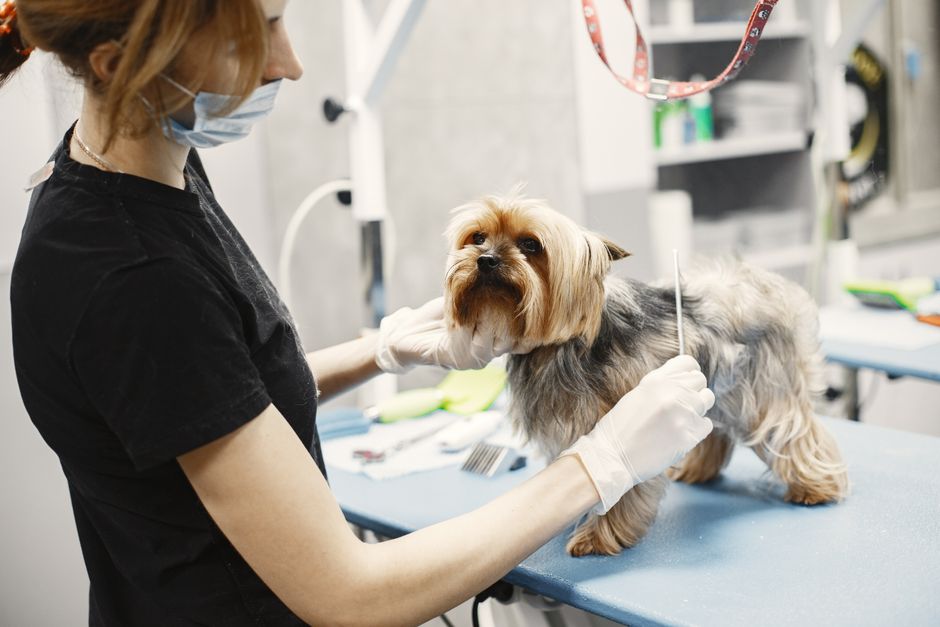

Why Is Nail Trimming Safety a Top Concern?
Trimming your dog’s nails is a routine grooming task, but it carries risks if done improperly. The quick debate of dog nail grinders vs clippers which is safer often confuses pet owners. Both tools can cause injury—clippers may crush or split the nail, while grinders can generate heat or noise that frightens dogs. Understanding the safety profile of each is essential to avoid pain, bleeding, or long-term fear of nail trims. In this comparison, you’ll learn which tool minimizes these risks and how to use it correctly for a stress‑free experience.
However, safety isn’t just about avoiding the quick; it also involves the tool’s design, the dog’s temperament, and your technique. For anxious dogs, a quieter grinder might be safer, while a steady‑handed owner may prefer clippers for their speed. Let’s explore the key factors that make one tool safer than the other for your pet.
What Are the Key Differences Between Nail Grinders and Clippers?
Nail clippers use a guillotine or scissors‑style blade to snip the nail, whereas grinders employ a rotating sanding drum to file the nail down gradually. Below is a comparison table highlighting safety‑related features.
| Feature | Nail Clippers | Nail Grinders |
|---|---|---|
| Risk of cutting the quick | High if nail is too short | Low (gradual removal) |
| Nail splitting/crushing | Possible with dull blades | Minimal (smooths edge) |
| Noise level | Silent | Moderate to high |
| Vibration | None | Noticeable |
| Precision control | Requires steady hand | High (can shape nail) |
| Heat generation | None | Possible with continuous use |
| Learning curve | Steeper for beginners | Moderate |
Furthermore, clippers are often faster for thick nails, but grinders reduce the chance of a painful quick cut. The choice depends on your dog’s nail color, size, and tolerance.
Which Tool Reduces the Risk of Quick Cutting?
The quick is the blood vessel inside the nail. Cutting it causes bleeding and pain. Grinders are inherently safer because they remove the nail tip a little at a time, allowing you to stop before reaching the quick. Clippers, on the other hand, require precise placement and a single cut; one misjudgment can hit the quick.
- Grinders: Stop as soon as you see a pinkish center (on light‑colored nails) or a dark dot (on dark nails). File only a small amount per session.
- Clippers: Use the “sight and snip” method. For dogs with dark nails, shine a flashlight from beneath to see the quick’s shadow.
Additionally, many grinders come with safety guards that limit how deep the sanding head penetrates, further reducing quick‑cut risk. For nervous owners, the grinder’s gradual approach offers peace of mind.
How Does Noise and Vibration Affect Your Dog’s Safety?
Safety isn’t only physical; emotional safety matters too. A dog that is terrified by a grinder’s whir may jerk its paw during use, leading to accidental nicks or heat burns. Clippers are silent, making them less likely to trigger fear. However, if your dog is sensitive to clipping pressure, the grinding motion might feel less abrupt.
Transitioning: Many grinding tools now have low‑noise motors and anti‑vibration designs. When introducing a grinder, let your dog sniff it while off, then gradually turn it on at a distance. This desensitization reduces stress and keeps both you and your pet safe. For extremely noise‑averse dogs, clippers remain the safer choice from a behavioral standpoint.
What Do Professional Groomers Recommend?
Professional groomers often combine both tools for maximum safety. Here are their top tips:
- Use clippers to remove most of the length, then a grinder to smooth the edge and round the tip.
- Always have styptic powder or cornstarch on hand in case of bleeding.
- For thick nails (large breeds), a quality grinder with a durable motor is safer than struggling with clippers that may crush the nail.
- Grinders should be used on low speed for small dogs to avoid overheating.
However, many groomers agree that for owners with limited experience, a grinder is often the safer standalone tool because it allows incremental removal and reduces the chance of a painful mistake.
How to Choose the Safest Tool for Your Dog?
Consider your dog’s size, nail thickness, and temperament. For calm, small dogs with thin nails, clippers can be safe and quick. For wiggly puppies, or dogs with dark nails that hide the quick, a grinder offers a safety net. Additionally, invest in tools with ergonomic handles and safety features such as adjustable speeds, sanding bands with guards, and auto‑shutoff to prevent overheating.
Conclusion: The safest option is the one you can use confidently while keeping your dog comfortable. If noise is an issue, clippers might be better; if precision is your worry, a grinder wins. Many owners find a hybrid approach—clippers for length, grinder for finishing—provides the best safety and results. Whichever you choose, practice on a few nails weekly, reward your dog, and always prioritize gentle handling. Ultimately, dog nail grinders vs clippers which is safer depends on your specific pet’s needs, but with proper technique, both can be safe. Your consistent, calm approach is the true key to injury‑free nail care.