
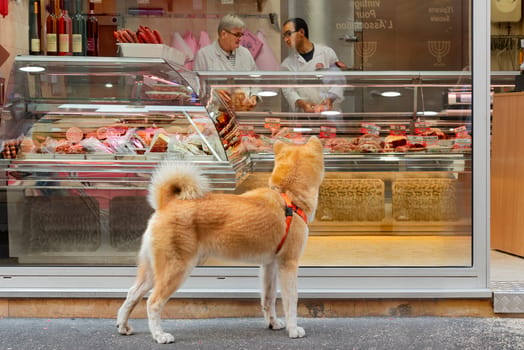
Deciphering the fine print on a bag of kibble can feel like reading a foreign language, but understanding dog food ingredient lists is the single most important skill you can develop to ensure your canine companion thrives. With misleading marketing terms like 'premium' and 'natural' plastered across packaging, the true story of what's inside is hidden in the ingredients panel. By learning to decode these labels, you can make informed choices that directly impact your dog's energy, coat health, and longevity. This guide will walk you through every section of an ingredient list, equipping you with actionable tips to separate high-quality nutrition from cleverly disguised fillers.
Why the Order of Ingredients Matters
The first and most critical rule of reading a dog food label is that ingredients are listed by weight, from highest to lowest. This means the first few ingredients make up the bulk of the food. A truly high-quality formula will list a named animal protein source—such as chicken, beef, lamb, or salmon—as the very first ingredient. Be wary of foods that lead with grains like corn, wheat, or soy, or with ambiguous terms like 'meat meal' or 'poultry by-product meal' without specifying the animal. Furthermore, manufacturers sometimes use a technique called 'splitting' where they list multiple grain or carbohydrate sources separately (e.g., ground corn, corn gluten meal, and corn bran) so that each appears lower on the list while their combined weight is actually quite high. Always look for a single, named source of protein at the top.
Decoding Meat Sources and By-Products
Protein is the foundation of a dog's diet, but not all protein sources are created equal. Here is a breakdown of common meat-related ingredients you will encounter:
- Named Meat (e.g., Chicken, Beef, Lamb): This is the clean, actual muscle meat from the specified animal. It contains about 70-75% water, so its weight is high initially but reduces during cooking. This is generally the best quality protein source.
- Named Meat Meal (e.g., Chicken Meal, Salmon Meal): This is rendered, concentrated protein from the specified animal. The water has been removed, so it provides a much denser protein content than whole meat. It is an excellent ingredient, often preferred by nutritionists because it delivers consistent protein levels.
- Meat By-Products or Meat Meal (e.g., Poultry By-Product Meal): These consist of rendered parts of the animal such as lungs, spleen, kidneys, brain, liver, blood, bone, and sometimes stomachs and intestines. While not inherently dangerous, the quality can vary greatly. Look for labels that specify the animal source (e.g., 'Chicken By-Product Meal') and avoid generic terms like 'Animal Digest' which can come from any source.
- Unnamed 'Meat' or 'Animal Fat': These are vague terms that suggest low-quality, inconsistent sources. High-quality brands always name the specific source.
Understanding Carbohydrates and Fillers
Dogs have no nutritional requirement for carbohydrates, but they provide energy and structure to kibble. However, the source matters. High-quality carbohydrate sources include whole grains like brown rice, oatmeal, and barley, as well as starchy vegetables like sweet potatoes and peas. Conversely, low-quality fillers often appear in cheaper foods. These include corn, wheat, soy, and their by-products (e.g., corn gluten meal, wheat middlings). These ingredients offer little nutritional value and can be difficult for some dogs to digest. Additionally, look out for added sugars such as 'cane molasses' or 'corn syrup' which are unnecessary and can lead to obesity and dental issues. A good rule of thumb: if you see multiple types of corn or wheat in the first five ingredients, the food is likely filler-heavy.
Actionable Tip: The '5-5-5' Test for Carbohydrates
To quickly assess carbohydrate quality, apply this simple test: check the first five ingredients. If three or more of them are carbohydrate sources (grains, starches, or sugars), the food is likely too high in carbs and low in protein. Aim for at least two named animal protein sources in the top five.
Fats and Oils: The Good, the Bad, and the Preserved
Fats are essential for a healthy coat, skin, and brain function. The best sources are named animal fats (e.g., Chicken Fat, Beef Tallow) and specific plant-based oils (e.g., Canola Oil, Sunflower Oil). However, you must also look at how they are preserved. Fats can spoil, so high-quality foods use natural preservatives like mixed tocopherols (a form of Vitamin E) or Vitamin C. Avoid foods that use generic terms like 'Animal Fat' or that rely solely on artificial preservatives such as BHA, BHT, or ethoxyquin, which have been linked to health concerns in some studies. Additionally, look for omega-3 and omega-6 fatty acid sources like flaxseed, fish oil, or salmon oil. These promote anti-inflammatory benefits and support kidney and joint health.
Vitamins, Minerals, and Supplement Additives
At the bottom of the ingredient list, you will typically see a long list of vitamins and minerals. This is normal and necessary to ensure the food is 'complete and balanced' as per AAFCO (Association of American Feed Control Officials) standards. However, pay attention to the form of these additives. Chelated minerals (e.g., Zinc Proteinate, Copper Chelate) are bound to amino acids and are more easily absorbed by your dog's body than cheaper inorganic forms (e.g., Zinc Oxide, Copper Sulfate). Prebiotics and probiotics are also beneficial—look for ingredients like dried chicory root (a source of inulin), fructooligosaccharides (FOS), or specific probiotic strains like Lactobacillus acidophilus. These support digestive health. Furthermore, avoid foods with excessive artificial colors, flavors, or preservatives; they serve no nutritional purpose and may cause sensitivities in some pets.
How to Spot Misleading Marketing Claims
Pet food packaging is designed to sell, not to educate. Here are common traps to avoid:
- 'Grain-Free' = High Protein? Not necessarily. Many grain-free foods replace grains with starchy legumes like peas, potatoes, or lentils, which can actually be higher in carbohydrates. Always check the ingredient list for the protein-to-carbohydrate ratio.
- 'Premium' or 'Holistic' These terms are not legally defined. A food can claim to be 'premium' while still containing low-quality fillers. The ingredient list is your only reliable guide.
- 'Human-Grade' This is a real claim only if the food is made in a human food facility and uses ingredients that are also fit for human consumption. Most pet foods are 'feed-grade' which has lower safety standards. If it doesn't say 'human-grade' explicitly, assume it is feed-grade.
- 'No By-Products' While by-products can be low-quality, they are not inherently bad. Some high-quality by-product meals (e.g., liver, kidney) are nutrient-dense. Focus on the source and quality, not just the absence of the word.
Putting It All Together: A Step-by-Step Evaluation Method
When you pick up a new bag of dog food, follow this quick checklist to determine its quality:
- Identify the first ingredient: Is it a named animal protein (e.g., Chicken, Beef, Salmon)? If yes, proceed. If it's a grain or a generic meat meal, put the bag down.
- Check the first five ingredients total: Do you see at least two named protein sources? Are the carbohydrates from whole grains or vegetables, not corn or wheat? If the list is dominated by carbs, look for another option.
- Look for named fats and natural preservatives: Avoid generic 'Animal Fat' and artificial preservatives like BHA/BHT. Prefer Chicken Fat or Canola Oil preserved with mixed tocopherols.
- Scan for added sugars and artificial additives: Skip any food that lists sugar, molasses, carrageenan, or artificial colors.
- Check the guaranteed analysis: Ensure the protein level is appropriate for your dog's life stage (e.g., 22-30% for adult maintenance). Higher protein is generally better, but ensure the source is quality.
By following these steps consistently, you will quickly become proficient at reading any ingredient list.
Conclusion
Mastering the art of understanding dog food ingredient lists empowers you to cut through marketing hype and make decisions based on science and transparency. Remember that the order of ingredients reveals true proportions, that named animal proteins and meals are superior to vague by-products, and that whole grains or vegetables are better fillers than corn and wheat. Always look for named fats preserved naturally, and don't be swayed by unregulated buzzwords. By taking a few minutes to analyze the label before you buy, you are investing in your dog's long-term health, vitality, and happiness. Your dog doesn't read labels—but now you do, and that makes all the difference.