
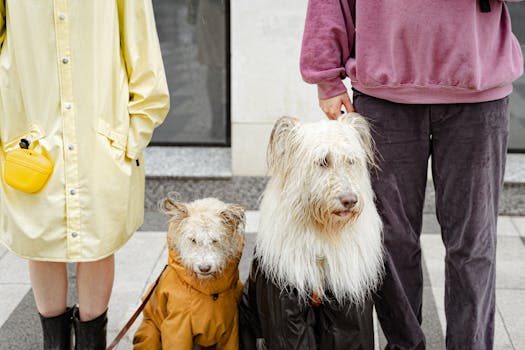
Have you ever run your hand over your dog’s back and wondered why their fur feels so different from the neighbor’s pooch? Understanding different dog coat types and their specific care is the first step to keeping your canine companion comfortable, healthy, and looking their best. Whether you own a silky-coated Yorkshire Terrier or a double-coated Husky, each coat type demands a unique grooming routine. In this comprehensive guide, we will break down the major coat categories, offer actionable tips for maintenance, and help you choose the right tools. Mastering your dog’s coat care not only prevents matting and skin issues but also strengthens the bond you share. Let’s dive into the fur-filled world of canine coats.
Why Coat Type Matters for Grooming
Every dog breed has evolved a specific coat structure suited to its original environment and job. For instance, a Labrador Retriever’s waterproof double coat protects it during cold-water retrievals, while a Poodle’s curly, single coat reduces shedding for allergy-prone owners. Grooming mistakes often stem from treating all coats the same. Using a slicker brush on a short-coated Beagle may be unnecessary, while skipping a de-shedding tool on a German Shepherd can lead to excessive loose fur in your home. Furthermore, the wrong shampoo can strip natural oils from a double coat or dry out a sensitive single coat. By identifying your dog’s coat type, you can tailor a grooming schedule that saves time, reduces stress, and promotes skin health. Additionally, proper coat care can help you spot early signs of allergies, parasites, or skin infections, making routine grooming a key wellness practice.
How to Determine Your Dog’s Coat Category
To classify your dog’s coat, look at three factors: hair length, texture, and whether there is an undercoat. Run a comb from the base of the neck toward the tail. If you see two distinct layers—a soft, dense undercoat and a coarser outer coat—you have a double coat. If only one layer exists, it is a single coat. Texture can be straight, wavy, curly, wiry, or corded. Length ranges from short (less than 1 inch) to long (over 2 inches). Many mixed-breed dogs have a combination, so observe closely. Below we explore the most common coat types and their specific care requirements.
Double Coats: The Weather Guardians
Double-coated breeds include Siberian Huskies, Golden Retrievers, Border Collies, and Pomeranians. The dense undercoat provides insulation against heat and cold, while the topcoat repels water and dirt. These coats “blow” seasonally—typically twice a year—releasing large tufts of undercoat. Grooming a double coat requires more than just a brush; you need tools that reach the undercoat without damaging the topcoat. A high-quality undercoat rake or a de-shedding tool (like a Furminator) works well for loose undercoat removal. However, be cautious not to over-rake, as this can break the topcoat and reduce natural protection. During shedding season, brush your double-coated dog daily; during other months, two to three times per week suffices. Bathing should be done with a mild shampoo that won’t strip the coat’s natural oils—once every 4 to 8 weeks is ideal. Never shave a double coat, as it disrupts the natural insulation and can lead to skin damage and improper regrowth. Instead, focus on thorough brushing and occasional professional grooming for a tidy outline.
Actionable Tips for Double Coat Care
- Use an undercoat rake to reach deep sheds without cutting the topcoat.
- Brush in sections—part the hair and work systematically to remove all loose undercoat.
- Invest in a high-velocity dryer for home use after baths to blow out dead undercoat.
- Provide omega-3 fatty acids in diet to support skin and coat health, reducing excessive shedding.
Single Coats: Silky, Smooth, and Curly
Single-coated breeds have only one layer of hair. This category includes Smooth Coats (like Boxers and Greyhounds), Silky Coats (like Cocker Spaniels and Yorkshire Terriers), and Curly Coats (like Poodles and Bichon Frises). Smooth coats are short and fine, requiring minimal brushing but frequent baths if the dog is oily. Silky coats can be medium to long and tend to mat easily around the ears and legs. Curly coats are dense and tightly coiled, making them prone to matting if not brushed thoroughly. For silky and curly coats, daily brushing with a slicker brush and metal comb is essential to prevent tangles. Additionally, these coats often require regular professional grooming every 4 to 6 weeks to maintain a neat appearance. Smooth-coated dogs benefit from a rubber curry brush or grooming mitt for gentle exfoliation and to distribute natural oils. Bathing frequency varies: smooth coats can go longer between baths (every 6 to 8 weeks), while curly coats may need baths every 3 to 4 weeks to manage odor and dirt. Always use a conditioner formulated for your dog’s coat texture.
Numbered Steps for Grooming a Curly Single Coat
- Spritz the coat with a detangling spray or water to prevent static and breakage.
- Brush with a slicker brush starting from the skin outward, working in small sections.
- Follow up with a wide-tooth comb to remove any remaining tangles, especially in friction areas (armpits, groin).
- Trim around eyes, paws, and sanitary areas with blunt-nosed scissors (or visit a professional).
- Bathe using a moisturizing shampoo, then apply a rich conditioner to keep curls defined.
Wiry Coats: The Rough-and-Tumble Type
Terriers—like the Wire Fox Terrier, Scottish Terrier, and Cairn Terrier—often have wiry coats that feel rough and bristly. This texture provides protection against rough terrain and weather. Wiry coats require a technique called “hand stripping” to remove dead hair and preserve the coat’s hardness and color. Hand stripping involves pulling out loose hairs by hand or with a stripping knife. Many owners prefer to have this done by a professional groomer every 8 to 12 weeks. However, if you choose to clip a wiry coat, the texture may become softer and lose its characteristic look. For maintenance between stripping sessions, brush your wiry-coated dog weekly with a firm bristle brush to remove debris and loose hair. Avoid over-bathing (once every 4 to 6 weeks) to prevent softening of the coat. Spot clean with a damp cloth as needed. Additionally, check the beard and leg furnishings for food debris or matting, and trim if necessary.
Corded Coats: Unique and High-Maintenance
Breeds like the Puli, Komondor, and Bergamasco Shepherd develop natural cords (dreadlocks) from their woolly undercoat and coarser outer coat. Corded coats are incredibly high-maintenance and require a dedicated owner. The cords form when the coat is allowed to mat deliberately during the puppy stage. Once established, each cord must be separated by hand to prevent them from merging into large mats. Grooming a corded coat involves washing with a specialized shampoo, then squeezing out water (never wring) and allowing the cords to dry thoroughly to prevent mildew. Drying can take up to 24 hours. Regular maintenance includes separating cords by hand and trimming any broken ends. Many owners hire professional groomers experienced with corded coats. If you are considering a corded breed, understand that grooming sessions can take several hours weekly. The payoff is a distinctive, low-shedding appearance that turns heads.
Hairless Dogs: Special Skin Care
The Chinese Crested (hairless variety) and Xoloitzcuintli have skin instead of fur. While not a “coat” in the traditional sense, their skin requires meticulous care. Hairless dogs are prone to sunburn, acne, and dry skin. They need frequent baths (every 1 to 2 weeks) with a gentle, moisturizing shampoo to remove oils and prevent clogged pores. Sunscreen formulated for dogs should be applied before outdoor activities. Additionally, use a humidifier in dry climates to prevent flakiness. Unlike furred dogs, hairless breeds benefit from light clothing in cold weather. Their skin must be checked regularly for cuts, rashes, or blackheads. Moisturize with a canine-safe lotion after bathing. Avoid harsh chemicals or scented products that can cause irritation.
General Coat Care Tips for All Dogs
- Brush before bathing to remove loose hair and prevent mats from tightening with water.
- Use a proper shampoo pH (around 7.0 for dogs) to avoid skin imbalances.
- Never use human shampoo—it is too acidic and strips natural oils.
- Brush your dog’s teeth and trim nails as part of a holistic grooming routine.
- Check for parasites during brushing sessions, especially after time outdoors.
Additionally, diet plays a significant role in coat quality. High-quality proteins, omega-3 fatty acids (fish oil), and vitamin E can improve shine and reduce shedding. Consult your veterinarian for specific dietary recommendations based on your dog’s breed and health.
Conclusion
Understanding different dog coat types and their specific care is not just about aesthetics—it is a fundamental aspect of responsible pet ownership. From double-coated Huskies to corded Pulis, each coat demands a tailored routine that respects its natural structure and function. By identifying your dog’s coat type and following the actionable tips provided, you can prevent painful mats, reduce shedding, and keep your pet comfortable year-round. Remember to invest in the right tools, schedule regular grooming sessions, and never compromise on skin health. Your dog’s coat is a reflection of overall well-being; treat it with the care it deserves, and your furry friend will thank you with a lifetime of tail wags and cuddles. For more expert pet care advice, explore our other articles on grooming and nutrition.