
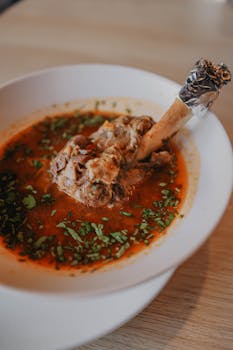
If you have been searching for a natural way to support your dog’s joint health, digestion, and overall vitality, you have likely come across the term bone broth for dogs. This nutrient-dense liquid, made by simmering animal bones and connective tissues, has become a staple in many holistic pet care routines. Packed with collagen, amino acids, and minerals, it offers a gentle yet powerful boost to your canine companion’s well-being. In this comprehensive guide, we will explore the science-backed benefits of bone broth for dogs, provide simple recipes you can make at home, and share expert feeding tips to ensure your pup reaps all the rewards safely.
What Is Bone Broth for Dogs?
Bone broth is a savory cooking liquid made by slowly simmering bones—typically from beef, chicken, turkey, or fish—along with vegetables, herbs, and apple cider vinegar. The extended cooking time (12 to 24 hours for beef bones, 4 to 6 hours for poultry) draws out gelatin, collagen, glucosamine, chondroitin, and a host of minerals like calcium, magnesium, and phosphorus. Unlike regular stock, bone broth is simmered long enough to break down the connective tissues, resulting in a thicker, protein-rich liquid that is highly digestible for dogs. Furthermore, the acid in the vinegar helps leach minerals from the bones, maximizing nutritional value. However, it is crucial to note that bone broth for dogs must be prepared without onions, garlic, salt, or other seasonings that can be toxic to pets. When made correctly, it serves as a whole-food supplement that supports hydration, joint mobility, and gut health.
Top Benefits of Bone Broth for Dogs
1. Supports Joint Health and Mobility
Bone broth is naturally rich in collagen, gelatin, glucosamine, and chondroitin—all compounds that support cartilage repair and reduce inflammation in the joints. As dogs age or suffer from conditions like hip dysplasia or arthritis, these nutrients can help maintain flexibility and reduce discomfort. A 2021 study published in the Journal of Veterinary Science found that collagen supplementation improved activity scores in dogs with osteoarthritis. While bone broth is not a substitute for veterinary medication, incorporating it into the diet can complement traditional treatments.
2. Aids Digestion and Gut Health
The gelatin in bone broth acts as a soothing agent for the digestive tract. It helps coat and heal the lining of the intestines, which is particularly beneficial for dogs with leaky gut syndrome, diarrhea, or food sensitivities. Additionally, the amino acid glycine supports detoxification processes and can help reduce stomach acid. Many pet parents report that adding a small amount of bone broth to their dog’s meals alleviates vomiting or loose stools.
3. Boosts Hydration and Palatability
Picky eaters or dogs recovering from illness often refuse water or dry kibble. The savory aroma and taste of bone broth can encourage drinking and eating. It is an excellent way to gently rehydrate a dog that has had vomiting or diarrhea. Moreover, the electrolytes in the broth (potassium, sodium, calcium) help restore balance without the artificial additives found in commercial electrolyte drinks.
4. Strengthens the Immune System
Bone broth contains a range of minerals and amino acids that support immunity. For instance, arginine stimulates the production of white blood cells, while glutamine fuels intestinal cells that form a barrier against pathogens. The warm liquid is also soothing for a dog with a mild cold or respiratory discomfort.
5. Promotes Healthy Skin and Coat
Collagen and hyaluronic acid found in bone broth are building blocks of healthy skin and a glossy coat. Regular consumption can reduce itching, dandruff, and hair loss. While it may take several weeks to see visible improvements, many owners notice softer fur and fewer hot spots.
How to Make Bone Broth for Dogs at Home
Making your own bone broth is simple, cost-effective, and ensures there are no harmful additives. Below are two recipes: one for beef broth and one for chicken broth. Always use organic, grass-fed or pasture-raised bones when possible to avoid antibiotics and hormones.
- Beef Bone Broth Recipe
Ingredients: 2–3 lbs beef marrow bones (knuckles, femurs), 2 tablespoons apple cider vinegar, 2 carrots (chopped), 2 celery stalks (chopped), water to cover.
Instructions: Preheat oven to 400°F. Roast bones for 30 minutes to deepen flavor (optional). Place bones, vinegar, and vegetables in a large stockpot or slow cooker. Add filtered water until bones are fully submerged. Bring to a boil, then reduce to a simmer. Cover and cook for 18–24 hours, skimming off any foam or impurities. After cooking, let it cool slightly, strain the liquid, and remove bones. Refrigerate to allow the fat cap to harden, then skim off the fat. Store in airtight jars for up to 5 days in the fridge or freeze for up to 6 months. - Chicken Bone Broth Recipe
Ingredients: 2–3 lbs chicken backs, necks, or feet (not cooked bones from a roast – use raw or plain leftover bones), 2 tablespoons apple cider vinegar, 2 carrots, 2 celery stalks, water to cover.
Instructions: Place all ingredients in a pot. Bring to a boil, then simmer for 4–6 hours. Do not overcook – chicken bones become brittle and may splinter. Strain, cool, and skim fat as above. Chicken broth is lighter and great for dogs with sensitive stomachs.
Important Safety Notes: Never add onions, garlic, salt, or spices (toxic to dogs). Always remove bones after cooking – small bones can cause choking or intestinal obstruction. For small dogs, strain twice to remove any tiny bone fragments. Before serving, always perform a temperature test to avoid burns.
Feeding Tips: How Much and How Often?
Bone broth should be introduced gradually, especially if your dog has a sensitive stomach. Start with one to two tablespoons for small dogs, or two to three tablespoons for medium to large dogs, mixed into their regular food once a day. Monitor for any digestive upset. If all goes well, you can increase to twice daily. A general guideline:
- Small dogs (under 20 lbs): 1–2 tablespoons per day
- Medium dogs (20–50 lbs): 2–4 tablespoons per day
- Large dogs (50 lbs+): 4–6 tablespoons per day
You can also freeze broth in ice cube trays for a refreshing summertime treat. Another option is to use it as a topper for picky eaters or to rehydrate freeze-dried raw food. For dogs with kidney disease or heart conditions, consult your veterinarian before adding bone broth, as it contains minerals that could be problematic in excess. Additionally, if your dog is prone to pancreatitis, opt for defatted broth (chilled and skimmed thoroughly).
Choosing Store-Bought Bone Broth
If you prefer the convenience of a commercial product, look for brands specifically labeled for dogs. Avoid any that contain onion or garlic powder, added sodium, preservatives, or “natural flavors” which may hide harmful ingredients. Check the label for a simple ingredients list: bones, water, vinegar, and maybe turmeric or ginger (both safe for dogs in small amounts). Some top-rated options include The Honest Kitchen Chicken Bone Broth and Brutus Bone Broth. However, store-bought versions may be less potent than homemade, so you may need to adjust the serving size.
Potential Risks and Precautions
While bone broth is generally safe, there are a few caveats. First, the high mineral content can be problematic for dogs with chronic kidney disease or calcium-oxalate bladder stones—always check with your vet. Second, fat content can vary; skim off the fat after refrigeration to prevent pancreatitis in susceptible dogs. Third, never feed hot broth—always cool to room temperature or slightly warm. Finally, avoid giving bones to your dog after making the broth, as they become brittle and can splinter. Instead, discard them safely.
Conclusion
Incorporating bone broth for dogs into your pet’s diet can be a simple, natural way to enhance joint health, digestion, hydration, and immunity. Whether you choose to make it at home or purchase a high-quality commercial version, the key is to introduce it slowly, follow proper feeding guidelines, and always prioritize safety. By adding this nutrient-packed elixir to your dog’s bowl, you are not only making mealtime more exciting but also supporting their overall longevity and vitality. As with any supplement, consult your veterinarian before making significant dietary changes—especially if your dog has pre-existing health conditions. Now, grab a pot, some bones, and start simmering your way to a happier, healthier pooch!