
Protein is the cornerstone of your dog's health, powering everything from muscle development to immune function. However, not all proteins are created equal. Understanding the best protein sources for your dog diet is essential for tailoring meals that maximize nutrition and minimize allergies. Whether you're choosing a commercial kibble or preparing homemade food, the source of protein matters. In this guide, we break down the top protein options, highlighting their benefits, digestibility, and ideal uses. Let's dive into the nutritional powerhouses that can keep your canine companion thriving.
1. Chicken – A Lean and Highly Digestible Protein
Chicken is one of the most commonly used proteins in dog foods, and for good reason. It's a lean, highly digestible source of animal protein that provides essential amino acids for muscle maintenance and energy. Many dogs tolerate chicken well, making it a staple in both dry and wet formulas. However, some dogs develop allergies to chicken over time, so it's important to monitor for signs like itching or digestive upset.
Chicken is also rich in B vitamins, particularly B6 and niacin, which support metabolism and nervous system function. When selecting chicken for your dog, opt for boneless, skinless cuts and always cook it thoroughly to avoid bacterial contamination. Additionally, chicken meal (a concentrated form) offers a high protein content in kibble. For dogs with sensitive stomachs, chicken is often a gentle first choice among the best protein sources for your dog diet.
2. Beef – A Nutrient-Dense Red Meat Option
Beef provides a robust nutrient profile, including iron, zinc, and vitamin B12, all crucial for healthy red blood cells and immune function. It's a slightly fattier protein than chicken, which can be beneficial for active dogs needing extra calories. Furthermore, beef offers a distinct flavor that many dogs find irresistible. However, beef is a common allergen, so introduce it gradually if your dog hasn't had it before.
When incorporating beef into your dog's diet, choose lean cuts like sirloin or ground beef with no more than 10% fat. Organ meats like beef liver are also excellent but should be fed in moderation due to high vitamin A content. For dogs with joint issues, beef cartilage and bone broth can add gelatin and glucosamine. Overall, beef remains one of the most versatile and widely available best protein sources for dog diet, especially for active or growing canines.
3. Turkey – A Lean Alternative with Low Allergen Risk
Turkey is an excellent lean protein alternative, especially for dogs that are sensitive to chicken or beef. It contains high levels of tryptophan, an amino acid that supports relaxation and healthy sleep cycles. Additionally, turkey is rich in selenium and phosphorus, which aid in thyroid function and bone health. Many premium dog foods use turkey as a single protein source to minimize allergy flare-ups.
Ground turkey can be a great base for homemade meals, but always check labels for added salt or seasoning—garlic and onion are toxic to dogs. Dark meat turkey has more fat than white meat, so adjust portions based on your dog's activity level. Since turkey is less common than chicken, it can be an excellent rotation protein to add variety and nutritional balance. For these reasons, turkey ranks high among the best protein sources for your dog diet, particularly for dogs with food sensitivities.
4. Fish (Salmon, Sardines, and Mackerel) – Omega-3 Rich Protein
Fish is a powerhouse protein that offers much more than just amino acids. Salmon, sardines, and mackerel are packed with omega-3 fatty acids (EPA and DHA), which reduce inflammation, support brain health, and promote a shiny coat. These fatty acids are particularly beneficial for dogs with arthritis or skin allergies. Moreover, fish is highly digestible and often recommended for dogs with renal issues due to its lower phosphorus content compared to red meats.
- Salmon – rich in omega-3s, often used in limited-ingredient diets.
- Sardines – small, with soft bones that provide calcium; feed whole (canned in water, no salt).
- Mackerel – similar to salmon but more intense flavor; caution with high mercury levels in larger fish – choose small mackerel.
Always cook fish thoroughly to kill potential parasites, or choose high-quality canned fish packed in water. Be wary of fish that are high in mercury (e.g., tuna, swordfish) and limit those. Fish offers a unique nutritional profile that makes it one of the best protein sources for dog diet, especially for dogs needing extra skin or joint support.
5. Eggs – The Complete Protein with Bioavailable Nutrients
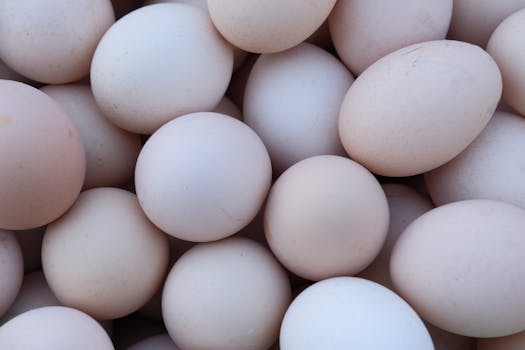
Eggs are often called nature's multivitamin, and they are an exceptional protein source for dogs. One whole egg provides all essential amino acids, making it a complete and highly bioavailable protein. Additionally, eggs contain biotin (mostly in the yolk), which supports healthy skin and coat, as well as choline for brain function. Feeding cooked eggs is safe and recommended—raw egg whites contain avidin, which can interfere with biotin absorption.
Most dogs love eggs, and they can be scrambled, hard-boiled, or even baked into homemade treats. However, eggs are calorie-dense, so adjust your dog's main meals accordingly to avoid weight gain. For dogs with pancreatitis or fat sensitivities, egg whites alone can be a good low-fat protein option. Eggs are an affordable, convenient way to supplement any diet and definitely deserve a spot among the best protein sources for your dog diet.
6. Lamb – A Novel Protein for Allergy-Prone Dogs
Lamb is often used as a novel protein source in dog foods designed for pets with food allergies or intolerances. It provides high-quality protein along with essential fatty acids and minerals like zinc and iron. Lamb fat is also known for its high linoleic acid content, which supports skin health. Furthermore, lamb is generally well-tolerated and has a rich flavor that many dogs enjoy.
Lamb can be found in both muscle meat and organ forms, with lamb liver being exceptionally nutrient-dense. When selecting lamb, look for grass-fed options when possible, as they offer a better fatty acid profile. Because lamb is less common than chicken or beef, rotating it into your dog's diet can help prevent the development of new allergies. For dogs that need a gentle but flavorful protein, lamb is an excellent choice among the best protein sources for your dog diet.
7. Venison – A Lean, Exotic Protein for Sensitive Stomachs
Venison (deer meat) is a lean, exotic protein that is gaining popularity in premium and limited-ingredient dog foods. It's naturally low in fat and high in iron and B vitamins, making it ideal for dogs that need a low-calorie but nutrient-dense meal. Venison is also a novel protein for most dogs, meaning they have rarely been exposed to it, reducing the likelihood of allergic reactions.
Many dogs with chronic skin or ear issues thrive on a venison-based diet. However, venison can be more expensive and harder to find than conventional meats. If sourcing fresh venison, ensure it's from a reputable source and free from lead shot contamination. Ground venison is available through specialty pet food stores or online. For dogs with multiple food sensitivities, venison is one of the most effective best protein sources for dog diet.
8. Duck – A Flavorful Alternative with High Iron Content
Duck is a rich, flavorful protein that provides a higher fat content than chicken or turkey, which can be beneficial for high-energy dogs or those needing to gain weight. It is also an excellent source of iron and selenium, supporting red blood cell production and antioxidant defenses. Duck is considered a novel protein for many dogs and is commonly used in hypoallergenic diets.
When feeding duck, opt for the breast or leg meat without skin to control fat levels. Duck meal is a concentrated protein used in many commercial foods. Additionally, duck can be a good source of omega-6 fatty acids, which contribute to healthy skin and coat. Because of its distinct taste, duck can add variety to a dog's diet and is a solid option among the best protein sources for your dog diet, especially for picky eaters.
9. Organ Meats (Liver, Kidney, Heart) – Nutrient-Dense Powerhouses
Organ meats are nature's multivitamins for dogs. Liver, kidney, and heart are packed with highly bioavailable nutrients such as vitamin A, B vitamins, iron, copper, and zinc. The heart is also a natural source of taurine, an amino acid critical for heart health in dogs, especially certain breeds prone to dilated cardiomyopathy. However, organ meats should be fed in moderation (no more than 5-10% of the total diet) due to their extreme nutrient density.
Liver can cause vitamin A toxicity if overfed, so limit to about 1 ounce per 20 pounds of body weight per week. Kidney is rich in phosphorus, so it's not ideal for dogs with kidney disease. Heart is a muscle meat but often categorized with organs; it's lean and high in protein. Including small amounts of organ meats ensures your dog gets a broad spectrum of nutrients. For these reasons, organ meats are among the most potent best protein sources for your dog diet when used correctly.
10. Pork – A Controversial but Nutritious Protein
Pork is a controversial protein source due to past concerns about trichinosis and high fat content. However, modern pork is safe when fully cooked to an internal temperature of 145°F (63°C) and allowed to rest. Pork is an excellent source of thiamine (vitamin B1), which is vital for energy metabolism and nerve function. It also provides high-quality protein and is often well-accepted by dogs.
Choose lean cuts like pork loin or tenderloin, and avoid bacon, ham, or processed pork products that are high in salt and preservatives. Pork can be a good rotation protein for dogs that do not have sensitivities. Some dogs with grain allergies also tolerate pork well when paired with sweet potatoes or other vegetables. When prepared properly, pork can be a valuable addition to the list of best protein sources for your dog diet, offering variety and essential nutrients.
Conclusion
Choosing the right protein for your dog diet depends on your dog's age, activity level, health conditions, and individual tolerances. Rotating between different protein sources can provide a broader nutrient profile and reduce the risk of developing food allergies. Always introduce new proteins gradually and consult with your veterinarian before making significant dietary changes, especially if your dog has known health issues. By understanding the benefits of each protein source, you can make informed decisions that support your dog's lifelong health and happiness. Remember, the best protein sources for your dog diet are those that are high quality, properly prepared, and suited to your dog's unique needs.