
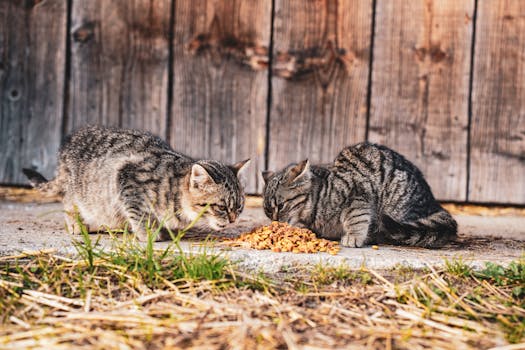
If your feline friend spends most of their time lounging on the windowsill or chasing laser pointers around the living room, you know their dietary needs are different from outdoor adventurers. Finding the best cat food for indoor cats isn't just about taste—it's about managing weight, preventing hairballs, and supporting overall health. In this complete buying guide, we review top-rated formulas, compare their pros and cons, and give you the tools to make an informed choice for your indoor companion.
Why Indoor Cats Need Specialized Nutrition
Indoor cats lead a more sedentary lifestyle than their outdoor counterparts, which drastically changes their nutritional requirements. Without the ability to hunt or roam, they burn fewer calories and are more prone to obesity, diabetes, and urinary tract issues. Additionally, indoor cats tend to groom more frequently, leading to hairballs that require extra fiber in their diet. High-quality indoor cat foods are specifically formulated to address these challenges—they are typically lower in fat and calories, higher in fiber, and contain controlled mineral levels to support urinary health. Choosing a food designed for indoor living can help your cat maintain a healthy weight and reduce vet visits.
Key Factors to Consider When Choosing Indoor Cat Food
Protein Sources
Cats are obligate carnivores, meaning they require animal-based protein to thrive. Look for named meat sources like chicken, turkey, salmon, or beef as the first ingredient. Avoid generic terms like "meat meal." High protein content (30–40% on a dry matter basis) helps preserve lean muscle mass, which is especially important for less active indoor cats.
Fiber Content
Fiber plays a vital role in hairball control and digestive health. Indoor cat foods often include ingredients like beet pulp, psyllium husk, or pumpkin. Aim for a fiber content between 3% and 6% to help move hair through the digestive tract and promote regular bowel movements.
Calorie Density
Indoor cats typically require fewer calories—around 180–250 kcal per cup for dry food, compared to 300+ for active outdoor formulas. Check the calorie content per cup or can. Many brands offer "weight management" or "indoor" lines that are portion-controlled. Furthermore, wet food can be a great option because it adds moisture and reduces calorie density, supporting urinary tract health.
Top 5 Best Cat Foods for Indoor Cats – Detailed Reviews
We evaluated dozens of products based on ingredient quality, nutritional balance, palatability, and price. Below are our top picks, each with a breakdown of pros and cons.
| Product | Key Feature | Protein % | Fiber % | Calories/cup | Pros | Cons |
|---|---|---|---|---|---|---|
| Hill's Science Diet Indoor Dry | Balanced nutrition for weight & hairball control | 29% | 5% | 266 | Vet-recommended, high fiber, affordable | Contains corn, not grain-free |
| Blue Buffalo Indoor Health | Deboned chicken first, LifeSource Bits | 32% | 6% | 315 | No by-products, includes antioxidants | Higher calorie, may cause weight gain if overfed |
| Royal Canin Indoor Adult | Specifically tailored for indoor cats | 28% | 7% | 257 | Excellent hairball control, easy to digest | Contains corn, more expensive per pound |
| Wellness CORE Grain-Free Indoor | Grain-free, high protein, low carb | 45% | 4% | 400 | Premium ingredients, high meat content | Very high protein may upset sensitive stomachs |
| Purina Pro Plan Indoor (Chicken & Rice) | High digestibility, natural probiotics | 34% | 4.5% | 289 | Live probiotics, budget-friendly, widely available | Contains wheat and soy |
1. Hill's Science Diet Indoor Dry Cat Food
Pros: This formula is specifically designed for indoor cats with a patented fiber blend that reduces hairballs. It contains high-quality protein for muscle maintenance and is balanced for weight management. Cons: It includes corn as a primary carbohydrate source, which some owners prefer to avoid. Additionally, the kibble size may be too large for smaller cats.
2. Blue Buffalo Indoor Health
Pros: Deboned chicken is the first ingredient, and the addition of LifeSource Bits (a blend of vitamins and minerals) supports immune health. It has a good fiber content for hairball control. Cons: The calorie density is slightly high for very sedentary cats. However, portion control can mitigate weight gain.
3. Royal Canin Indoor Adult
Pros: Royal Canin’s veterinary-backed formulation includes a precise fiber balance (7%) to help eliminate hairballs and reduce stool odor. The kibble is designed to slow down eating. Cons: It is relatively expensive, and the ingredient list includes corn and wheat gluten, which may not appeal to owners seeking natural recipes.
4. Wellness CORE Grain-Free Indoor
Pros: Grain-free and protein-rich (45%), this food mimics a cat’s ancestral diet. It is lower in carbohydrates, which can help prevent obesity and diabetes. Cons: The high protein content can cause loose stools if introduced too quickly. Furthermore, it is one of the pricier options on our list.
5. Purina Pro Plan Indoor
Pros: Contains live probiotics for digestive health and natural prebiotic fiber. It is a budget-friendly option that is widely available. The texture is crunchy, which may aid in dental health. Cons: It includes wheat and soy, common allergens for some cats.
How to Transition Your Cat to a New Food
Sudden diet changes can cause vomiting or diarrhea. Follow this step-by-step plan:
- Days 1–3: Mix 25% new food with 75% old food.
- Days 4–6: Use a 50/50 blend.
- Days 7–9: Increase to 75% new food, 25% old food.
- Day 10 onward: Serve 100% new food.
Monitor your cat’s stool consistency and appetite during the transition. If any digestive upset persists, slow down the process by extending each phase by a few days. Moreover, always introduce new foods gradually, and consult your veterinarian before making significant dietary changes, especially if your cat has underlying health conditions.
Frequently Asked Questions
How much should I feed my indoor cat?
Feed according to the chart on the package based on your cat’s weight. Most indoor cats need about ¼ to ½ cup of dry food per day, split into two meals. Adjust based on activity level and age. If you also feed wet food, reduce dry food portions accordingly.
Can indoor cats eat regular cat food?
Technically yes, but regular formulas are often too high in calories and low in fiber, which can lead to obesity and hairballs. It’s better to choose a food specifically designed for indoor cats to meet their unique needs.
Is grain-free food better for indoor cats?
Not necessarily. Grain-free foods are beneficial for cats with grain allergies, but they are often higher in protein and calories. For indoor cats, a balanced diet with moderate protein and fiber is more important than avoiding grains entirely. However, many owners prefer grain-free for its natural profile.
Conclusion
Choosing the best cat food for indoor cats requires balancing protein quality, fiber content, and calorie control. Our top pick overall is Hill's Science Diet Indoor Dry for its proven nutrition and hairball management. If you prefer a grain-free option, Wellness CORE Indoor is an excellent premium choice. Remember to transition gradually and consult your vet for a tailored feeding plan. With the right food, your indoor feline can enjoy a long, healthy, and happy life.