
As our beloved companions enter their golden years, their bodies face increased oxidative stress, which can accelerate aging and contribute to chronic conditions like arthritis, cognitive decline, and heart disease. Incorporating antioxidant-rich foods for aging pets into their diet is a powerful, natural way to fight free radicals, support immune function, and improve overall vitality. But not all fruits and veggies are safe—and knowing which ones pack the biggest punch can be a game-changer. Below, we count down the top antioxidant-packed foods that can help your senior pet thrive.
1. Blueberries
Blueberries are often called a superfood for a reason. These tiny berries are loaded with anthocyanins, flavonoids, and vitamin C—potent antioxidants that neutralize free radicals and reduce inflammation. For aging pets, this means better brain health, sharper cognition, and less joint discomfort. Additionally, blueberries are low in calories and safe for both dogs and cats when served fresh or frozen.
To serve: Rinse thoroughly and offer as a treat (no more than 5–10 berries daily for a medium-sized dog; 2–3 for a cat). Avoid canned blueberries packed in syrup. For a fun twist, freeze them for a crunchy, cooling snack on warm days. However, always introduce new foods gradually to avoid digestive upset.
- Rich in anthocyanins and vitamin C
- Supports cognitive function and joint health
- Low calorie—ideal for weight management
2. Sweet Potatoes
Sweet potatoes are a fantastic source of beta-carotene, which the body converts into vitamin A—a key antioxidant for maintaining healthy skin, coat, and vision. They also provide dietary fiber, helping senior pets with digestion and preventing constipation, a common issue in older animals. Furthermore, their natural sweetness makes them highly palatable, even for picky eaters.
Always cook sweet potatoes thoroughly (boil, bake, or steam) and remove the skin to avoid choking hazards. Mash or cut into small cubes. Avoid any added salt, butter, or spices. A tablespoon or two per day is a good starting point for most dogs; cats may enjoy a small spoonful mixed into wet food. Because they are starchy, monitor portion sizes to prevent weight gain.
3. Spinach
Spinach is packed with lutein, zeaxanthin, and beta-carotene—antioxidants that protect eyesight and reduce the risk of cataracts, a frequent concern for aging pets. It also contains vitamin E, which supports muscle health and immune function. However, spinach is high in oxalates, so it should be given in moderation—especially for pets prone to kidney stones or bladder issues.
Steam or lightly cook spinach to break down oxalates and make nutrients more bioavailable. Chop finely and mix into their regular meals. A teaspoon for small pets and up to two tablespoons for large dogs is sufficient. Always consult your vet before adding leafy greens if your pet has a history of urinary problems.
4. Carrots
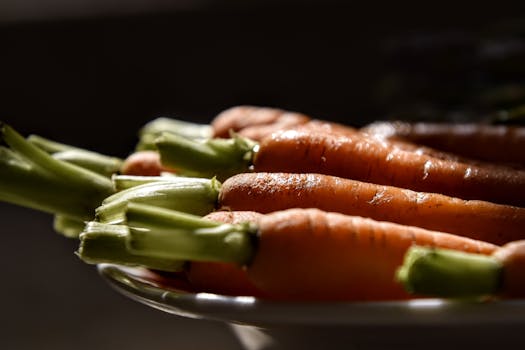
Crunchy and sweet, carrots are rich in beta-carotene, vitamin A, and fiber. Chewing raw carrot sticks can also help scrape plaque from teeth, offering mild dental benefits for senior pets who may have gum sensitivity. Additionally, the antioxidants in carrots may slow the progression of arthritis by reducing oxidative damage in joints.
Serve raw carrots as a low-calorie chew toy, or cook them for a softer treat that’s easier on older teeth. Cut into bite-sized pieces to prevent choking. A few baby carrots or two to three tablespoons of cooked, mashed carrots per day is ideal for dogs. Cats often prefer finely grated or cooked carrot mixed into their food.
5. Pumpkin
Pumpkin is a nutritional powerhouse for aging pets, offering a rich blend of beta-carotene, vitamin C, vitamin E, and zinc—all important antioxidants. Its high soluble fiber content is excellent for regulating digestion, whether your pet suffers from diarrhea or constipation. Furthermore, pumpkin is low in fat and calories, making it a safe addition for pets on a weight-management plan.
Use plain, canned pumpkin (not pumpkin pie filling) or fresh cooked pumpkin. Start with one teaspoon per 10 pounds of body weight daily. Mix into wet food or serve as a standalone treat. For added benefit, pumpkin seeds (peeled and ground) contain additional antioxidants and healthy fats. However, introduce seeds sparingly due to their high fat content.
6. Fish (Salmon & Sardines)
Fatty fish like salmon and sardines are not antioxidant-rich themselves, but they deliver omega-3 fatty acids (EPA and DHA) that work synergistically with antioxidants to reduce inflammation and support brain, heart, and joint health. For aging pets, omega-3s can slow cognitive decline and ease arthritis pain. Additionally, these fish provide a natural source of vitamin D and selenium, both important for immune function.
Serve cooked, boneless, skinless fish—never raw, as it may contain parasites. Canned sardines in water (no salt added) are convenient; a few times per week is enough. A small dog might get half a sardine or a tablespoon of cooked salmon; adjust based on size. Because fish is high in fat, use it as a supplement rather than a staple.
- Omega-3s reduce inflammation and support cognition
- Rich in selenium and vitamin D
- Serve cooked and boneless—avoid raw
7. Turmeric
Turmeric’s active compound, curcumin, is one of the most powerful natural antioxidants and anti-inflammatory agents. For senior pets suffering from chronic pain or osteoarthritis, turmeric can help reduce stiffness and improve mobility. Furthermore, it supports liver function and may even have cancer-fighting properties. However, turmeric is poorly absorbed on its own, so pair it with a pinch of black pepper and a healthy fat like coconut oil.
Use a high-quality turmeric powder (or fresh grated root) and start with a tiny amount—about 1/8 teaspoon per 20 pounds of body weight daily. Mix into food. Because turmeric can stain, be careful around light-colored fabrics and dishes. Always consult your vet before using turmeric supplements, especially if your pet is on medication like blood thinners.
8. Apples (Without Seeds)
Apples are a crisp source of vitamin C, quercetin, and polyphenols—antioxidants that help neutralize free radicals and support the immune system. The fiber in apples also aids digestion. For aging pets, apples can be a refreshing, low-calorie treat that satisfies the urge to chew without overloading calories.
Core and slice apples, removing all seeds (which contain trace cyanide). Offer a few small slices per day. Avoid apple juice or applesauce, which often have added sugar. For dogs with sensitive teeth, peel and steam the apple slices. Cats may not be interested, but a tiny piece now and then won’t hurt if they like it.
9. Green Beans
Green beans are a low-calorie, high-fiber vegetable rich in vitamins C, K, and manganese. Their antioxidants help combat cellular aging, while the fiber promotes regular bowel movements—a boon for senior pets who may struggle with constipation. Additionally, green beans can be a great weight-loss aid because they fill up pets without adding many calories.
Serve fresh, frozen (thawed), or canned (no salt added). Chop into bite-sized pieces to prevent choking. A handful daily for dogs is fine; cats may enjoy a few chopped green beans mixed into their food. Avoid green beans prepared with garlic, onion, or heavy sauces.
10. Broccoli
Broccoli is packed with sulforaphane, vitamin C, and beta-carotene. These antioxidants may protect against certain cancers and support detoxification pathways. Its high fiber content also helps digestion. However, broccoli contains isothiocyanates, which can cause gas or stomach upset in large amounts, so moderation is key.
Steam or lightly blanch broccoli to make it easier to digest. Chop into small florets and serve as an occasional treat—no more than 10% of daily calories. For a small dog, 1–2 florets once or twice a week; for a large dog, up to half a cup. Cats can have a tiny floret, but many will turn up their noses.
Conclusion
Feeding your aging pet a diet rich in antioxidant-packed foods is one of the most effective ways to support their health and extend their quality of life. From blueberries and sweet potatoes to turmeric and fish, these whole foods deliver targeted nutrients that fight inflammation, boost immunity, and protect vital organs. Remember to introduce new foods gradually, always consult your veterinarian before making dietary changes—especially if your pet has underlying health conditions—and keep portion sizes appropriate for their age, weight, and activity level. With a little planning, you can help your senior companion enjoy their golden years with vitality and comfort.