
Does your dog suffer from chronic pain or anxiety that conventional medicine hasn't fully resolved? Acupuncture for dogs is gaining traction as a complementary therapy in veterinary medicine. This ancient practice involves inserting thin needles into specific points on the body to stimulate healing and pain relief. But does alternative vet care actually work? In this comprehensive guide, we'll explore the science, benefits, risks, and what to expect from canine acupuncture, helping you decide if it's right for your furry friend.

What Is Acupuncture for Dogs?
Acupuncture for dogs is a form of traditional Chinese medicine adapted for veterinary use. It involves inserting sterile, ultra-fine needles into specific points (acupoints) along energy pathways called meridians. The goal is to restore the flow of qi (life energy) and rebalance the body. Modern veterinary acupuncture also draws on neurophysiology: inserting needles stimulates nerves, increases blood flow, and releases endorphins and other neurotransmitters. While some pet owners are skeptical, an increasing number of veterinarians are integrating acupuncture into their practice for conditions ranging from osteoarthritis to digestive disorders.
Furthermore, veterinary acupuncture is not a replacement for traditional care but rather an adjunctive therapy. It can help reduce reliance on medications and improve quality of life, especially for senior dogs. However, it's essential to understand that not all dogs are candidates—and the treatment must be performed by a licensed veterinarian with specialized training.
How Does Acupuncture Work for Dogs?
The mechanism of action for acupuncture in dogs is multifaceted. From a Western perspective, needle insertion triggers a cascade of physiological responses. First, it activates local sensory nerves, which send signals to the spinal cord and brain. This leads to the release of endorphins (natural painkillers) and serotonin, which can elevate mood. Additionally, acupuncture influences the autonomic nervous system, promoting relaxation and reducing stress hormones like cortisol.
From a Chinese medicine viewpoint, acupuncture balances the flow of qi and treats underlying imbalances that cause symptoms. However, scientific studies have shown that acupuncture can also reduce inflammation, improve joint mobility, and modulate the immune system. For example, a 2020 study published in Frontiers in Veterinary Science found that electroacupuncture significantly reduced pain scores in dogs with hip dysplasia.
Importantly, the effects are cumulative—most dogs require a series of treatments, often weekly initially, then tapering to maintenance sessions. The exact mechanism may vary by condition, but the overarching benefit is safe, drug-free pain relief for many dogs.
What Conditions Can Acupuncture Treat in Dogs?
Acupuncture is versatile and can be used for a variety of canine health issues. Below is a list of common conditions where it has shown effectiveness:
- Musculoskeletal pain: osteoarthritis, hip dysplasia, intervertebral disc disease (IVDD), and cruciate ligament injuries.
- Neurological disorders: degenerative myelopathy, facial nerve paralysis, and after spinal surgery.
- Gastrointestinal problems: chronic vomiting, diarrhea, or inflammatory bowel disease (IBD).
- Respiratory issues: asthma, bronchitis, and allergies.
- Dermatological conditions: hot spots, lick granulomas, and other chronic skin issues.
- Behavioral disorders: anxiety, fear, or stress-related behaviors (used alongside behavior modification).
- Cancer support: to manage pain, nausea, and improve quality of life during chemotherapy.
Additionally, acupuncture can be used for general wellness and immune system support. However, it's not a cure-all. Conditions like acute trauma, infections, or fractures require conventional veterinary intervention. Always consult your vet to determine if acupuncture is appropriate for your dog's specific diagnosis.
Is Acupuncture Safe for Dogs?
When performed by a qualified veterinary acupuncturist, the procedure is very safe. Side effects are rare and usually mild, such as temporary soreness at needle sites or slight bruising. More serious risks, like infection or needle breakage, are extremely uncommon due to the use of sterile, single-use needles and proper technique.
However, there are contraindications. Acupuncture should not be used in dogs with bleeding disorders, those on anticoagulant medications, or over areas of skin infection or tumors. Pregnant dogs are also not ideal candidates, as some acupoints can induce labor. Moreover, frightened or aggressive dogs may not tolerate the procedure well; the veterinarian may use sedation or choose other modalities.
Tip: Always ensure that your veterinarian is certified in veterinary acupuncture by a reputable organization such as the International Veterinary Acupuncture Society (IVAS) or the American Academy of Veterinary Acupuncture (AAVA). This guarantees they have completed rigorous training and adhere to safety standards.
What to Expect During a Dog Acupuncture Session?
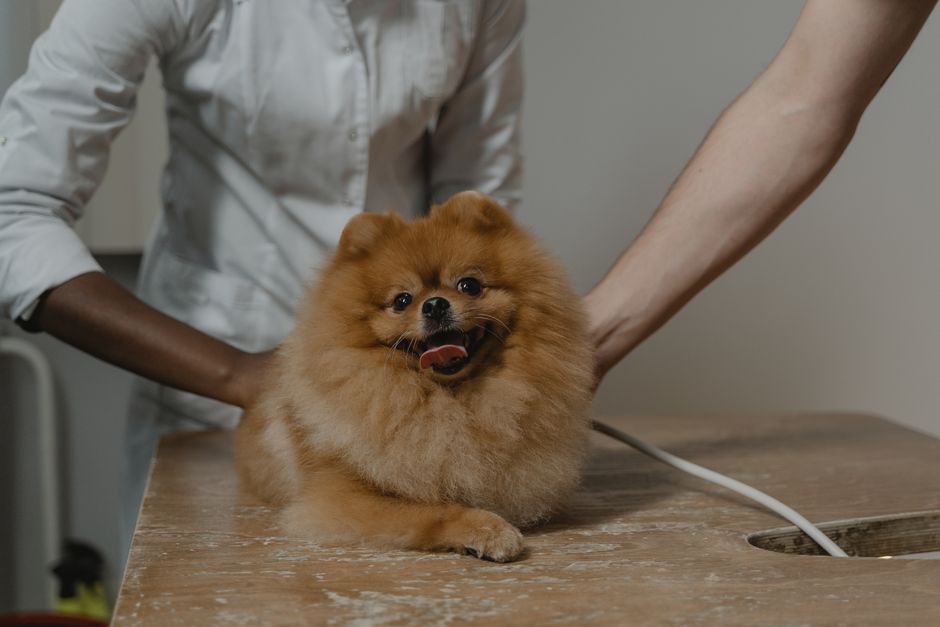
An acupuncture session typically lasts 20 to 45 minutes, depending on the condition and the dog's temperament. The process begins with a thorough history and physical exam by the veterinarian. Then, the dog is placed comfortably on a padded table or mat. Most dogs relax quickly once the needles are inserted—they are very thin, and the sensation is similar to a light pinch.
During the session, the veterinarian may gently twirl the needles or apply a mild electrical current (electroacupuncture) to enhance stimulation. Some clinics also use laser acupuncture (cold laser) for dogs that dislike needles. After the needles are removed, the dog may be relaxed, sleepy, or even more energetic. It's common to see improvement after a few sessions, though chronic conditions may require more time.
Pro tip: Bring your dog's favorite treats or a familiar blanket to help them feel at ease. Avoid feeding a heavy meal right before the appointment, as a full stomach can interfere with the treatment.
How to Find a Qualified Veterinary Acupuncturist?
Not all veterinarians are trained in acupuncture, so it's crucial to seek a specialist. Start by asking your primary vet for a referral. Alternatively, search directories such as the IVAS or AAVA websites. In the UK, the Association of British Veterinary Acupuncturists (ABVA) provides a list of members.
When evaluating a practitioner, consider the following checklist:
- They must be a licensed veterinarian (DVM or equivalent).
- They have completed a recognized certification program (e.g., 150+ hours of training).
- They have experience treating your dog's specific condition.
- They are willing to communicate with your primary vet.
- They use sterile, single-use needles.
Moreover, schedule a consultation before committing to treatment. Ask about their success rates, expected number of sessions, and costs. A good practitioner will be transparent and set realistic expectations.
Does Insurance Cover Acupuncture for Dogs?
Pet insurance coverage for acupuncture varies widely. Some comprehensive plans offer coverage for alternative therapies, either as a core benefit or as an add-on (wellness rider). However, many basic accident-and-illness policies exclude complementary medicine. You'll need to check your specific policy documents or contact your insurer.
For example, companies like Healthy Paws and Trupanion generally cover acupuncture if it's performed by a licensed veterinarian and deemed medically necessary. Others, like Nationwide, may have separate rider options for holistic care. If your insurance does not cover it, ask your vet if they offer payment plans or package discounts.
Tip: Before starting treatment, submit a pre-authorization request to your insurance provider to confirm coverage. Keep all receipts and veterinary notes for reimbursement claims.
Frequently Asked Questions About Acupuncture for Dogs?
How many acupuncture sessions will my dog need?
The number varies by condition. Acute problems may respond in 2–4 sessions, while chronic issues often require 6–12 weekly sessions followed by monthly maintenance. Your veterinarian will tailor the plan based on your dog's response.
Is acupuncture painful for dogs?
Most dogs tolerate it well. The initial insertion may cause a brief sensation, but many dogs relax and even fall asleep during the session. If your dog shows signs of stress, the vet can adjust the technique or use sedation.
Can acupuncture replace my dog's medication?
No, acupuncture is typically an adjunct therapy. It can help reduce the dosage of painkillers or anti-inflammatories, but you should never stop prescribed medication without consulting your vet. Always work in concert with conventional care.
Are there any types of dogs that should not get acupuncture?
Dogs with needle phobia, severe bleeding disorders, or those that are extremely aggressive may not be suitable. Additionally, acupoints over the abdomen are avoided in pregnant dogs. The vet will perform a risk assessment beforehand.
Conclusion
Acupuncture for dogs is a valid, evidence-informed complementary therapy that can improve comfort and well-being for many conditions. While it is not a magic bullet, its benefits for pain relief, mobility, and stress reduction are well documented. However, success hinges on choosing a qualified veterinarian and having realistic expectations. We recommend discussing acupuncture with your primary care vet to determine if it aligns with your dog's overall health plan. With proper guidance, this ancient practice can be a valuable addition to your pet's wellness toolkit.